




 Some of the links on this site may be affiliate links. ICOBench may receive advertising commissions when users visit recommended platforms via our affiliate links, at no additional cost to you. All recommendations are based on a comprehensive review process.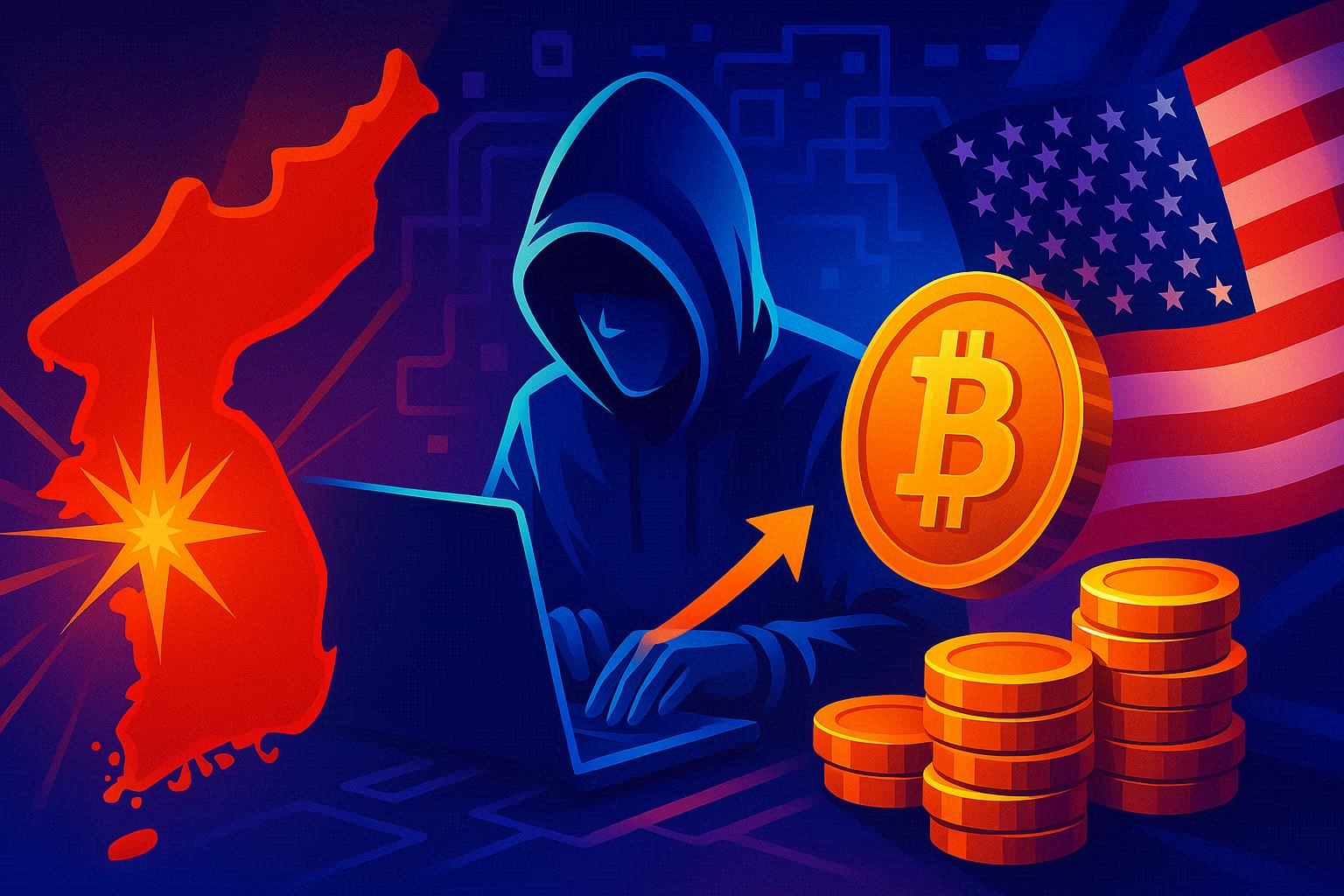
The U.S. Department of the Treasury’s Office of Foreign Assets Control (OFAC) has imposed sanctions on eight individuals and two entities linked to laundering cryptocurrency used to finance North Korea’s nuclear weapons program.
Today, Treasury’s Office of Foreign Assets Control took decisive sanctions action against North Korean cybercrime and IT worker fraud that the regime uses to fund its weapons of mass destruction and ballistic missile programs. Over the past three years, North Korea-affiliated…
— Treasury Department (@USTreasury) November 4, 2025
According to the Treasury announcement, the sanctioned parties were involved in cybercrime and fraudulent IT labor operations, helping funnel stolen digital assets into the country’s weapons development efforts.
“State-sponsored North Korean hackers are stealing and laundering funds to fuel the regime’s nuclear ambitions,” said Under Secretary for Terrorism and Financial Intelligence John K. Hurley, emphasizing the growing role of cybercrime in Pyongyang’s weapons financing.
Banks and Tech Firms Named in Crypto Laundering Network
Entities sanctioned include First Credit Bank, Ryukyong Credit Bank, and Korea Mangyongdae Computer Technology Corporation (KMCTC). All of them were accused of using Chinese and Russian intermediaries to conceal cryptocurrency flows tied to North Korea’s defense projects.
Blockchain forensics firm Elliptic reported that these networks laundered at least $5.3 million in cryptocurrencies, a small fraction of the approximately $2 billion stolen by North Korean-affiliated actors in 2025 alone.
North Korea’s Expanding Use of Advanced Cyber Tactics
The Treasury said North Korea’s hacking groups deploy AI-driven tools, custom malware, and sophisticated social engineering to target crypto exchanges and blockchain companies worldwide.
“By generating revenue for Pyongyang’s weapons programs, these networks pose a direct threat to U.S. and global security,” Treasury officials warned.
The department stressed that cryptocurrency provides North Korea with an alternative financing system, bypassing the heavily monitored traditional banking networks that have been closed off by international sanctions.
U.S. Effort to Cut Off North Korea’s Access to Global Finance
The sanctions form part of a broader U.S. campaign to isolate North Korea from the international financial system and block revenue sources supporting its nuclear and missile development.
OFAC said the targeted entities operated through shell companies and complex intermediaries, obscuring the origins and destinations of illicit funds.
Washington is also coordinating with international partners to strengthen oversight of cross-border crypto transactions, as Pyongyang increasingly collaborates with criminal networks in jurisdictions with weak financial regulation.
Under the new sanctions, U.S. citizens are prohibited from dealing with the designated individuals or entities, and any assets held under U.S. jurisdiction are frozen.
The move builds on previous executive orders and sanction frameworks targeting North Korean cyber-enabled revenue operations, underscoring that state-directed crypto theft represents a global security threat, not just a financial crime.