





 Some of the links on this site may be affiliate links. ICOBench may receive advertising commissions when users visit recommended platforms via our affiliate links, at no additional cost to you. All recommendations are based on a comprehensive review process.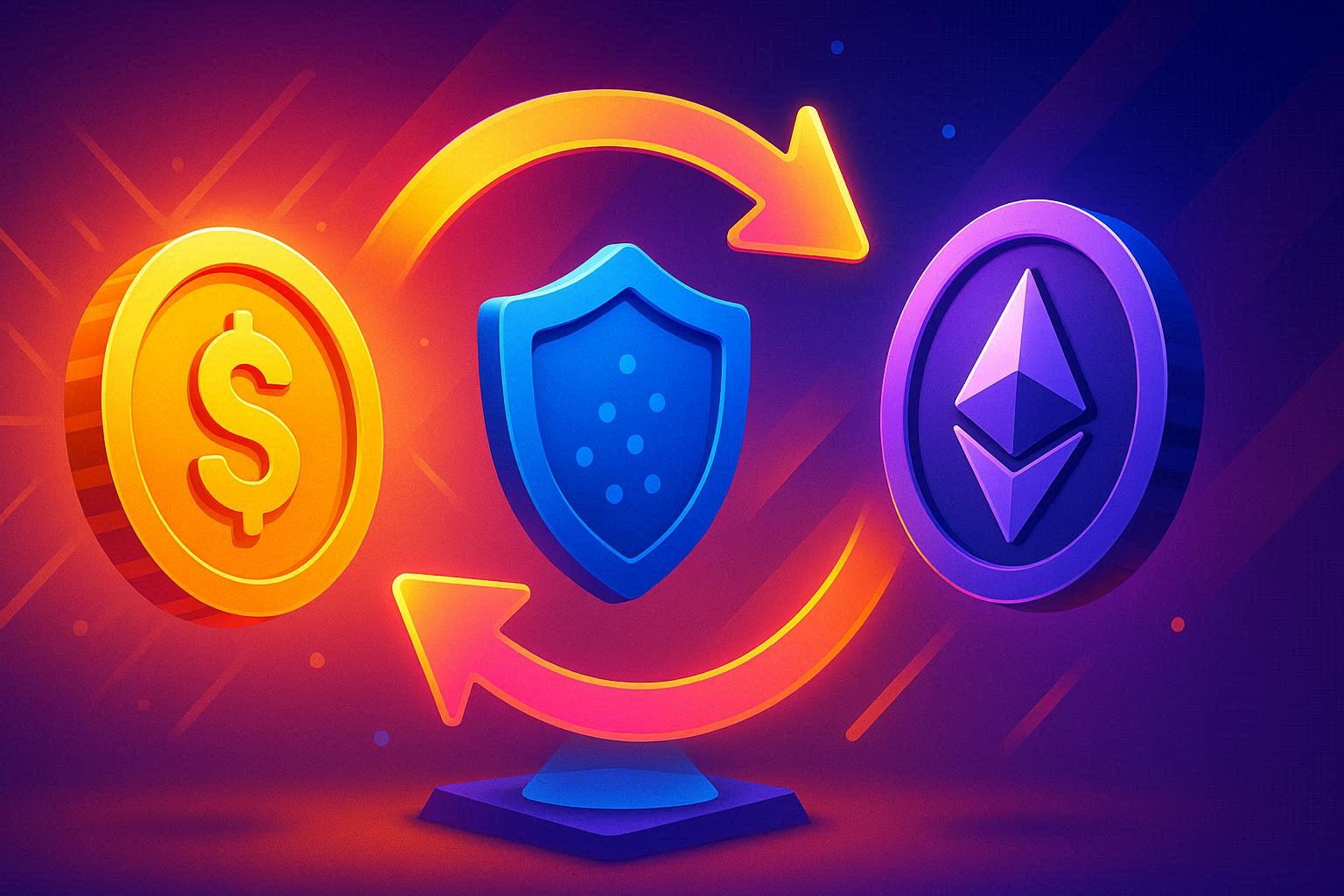
Trust Wallet, a major provider of non-custodial crypto wallets, announced in December the launch of a new gas fee sponsorship program that covers network fees for token swaps on the Ethereum network.
⚡️ LATEST: Trust Wallet now offers zero swap gas fees on Ethereum with new gas sponsorship support. pic.twitter.com/IIkdKospCf
— Cointelegraph (@Cointelegraph) December 15, 2025
The initiative is designed to eliminate one of the most common pain points in crypto transactions: insufficient gas fees. Under the new system, users can swap tokens even if they do not hold the native blockchain token required to pay network fees.
According to Trust Wallet, the platform automatically covers gas costs, enabling smooth, uninterrupted transactions directly within the wallet.
Solving the Gas Fee Problem for Users
For many users, token swaps have historically failed due to a lack of native tokens such as ETH for gas fees. This issue has been particularly frustrating on Ethereum, where gas costs can spike sharply and create a confusing barrier for new users.
The gas sponsorship program is currently available on Ethereum, BNB Chain, and Solana (SOL). Users can receive gas fee coverage up to four times per day.
Certain conditions apply. On Ethereum, swaps must meet a minimum transaction value of $50 to qualify for sponsored gas fees. On BNB Chain, there is no minimum transaction requirement.
By abstracting away network fee calculations, Trust Wallet aims to deliver a seamless experience similar to traditional financial apps, where fees are either hidden or absorbed by the service provider.
This approach removes what many consider a paradoxical onboarding step, having to buy one token just to pay fees in order to swap another, which is a long-standing obstacle for crypto newcomers.
Improving User Experience and Driving Adoption
Trust Wallet says the program is part of a broader effort to raise the usability standard for Web3 wallets by eliminating overlooked friction points that have slowed mainstream adoption.
Covering gas fees is expected to increase user engagement and transaction volume on the platform. The company also revealed plans to expand gas sponsorship beyond token swaps to regular transfers in the future.
If implemented, users could send tokens such as USDT without needing ETH or other native tokens, further simplifying everyday crypto usage.
To prevent abuse, Trust Wallet has implemented limits such as the four-times-per-day cap and minimum transaction thresholds. Importantly, if a transaction fails, users are not charged gas fees, as the sponsor system absorbs the cost.
The move aligns with a broader industry trend toward abstracting blockchain complexity and making crypto tools more accessible to non-technical users. Wallet-funded transaction models could become a new standard across the ecosystem.
Trust Wallet clarified that the gas sponsorship initiative is separate from its loyalty program and is intended as a foundational usability upgrade for all users.
By lowering entry barriers, the company believes the program could contribute to greater activity across the broader crypto market, including Bitcoin and other cryptocurrencies.