





 Some of the links on this site may be affiliate links. ICOBench may receive advertising commissions when users visit recommended platforms via our affiliate links, at no additional cost to you. All recommendations are based on a comprehensive review process.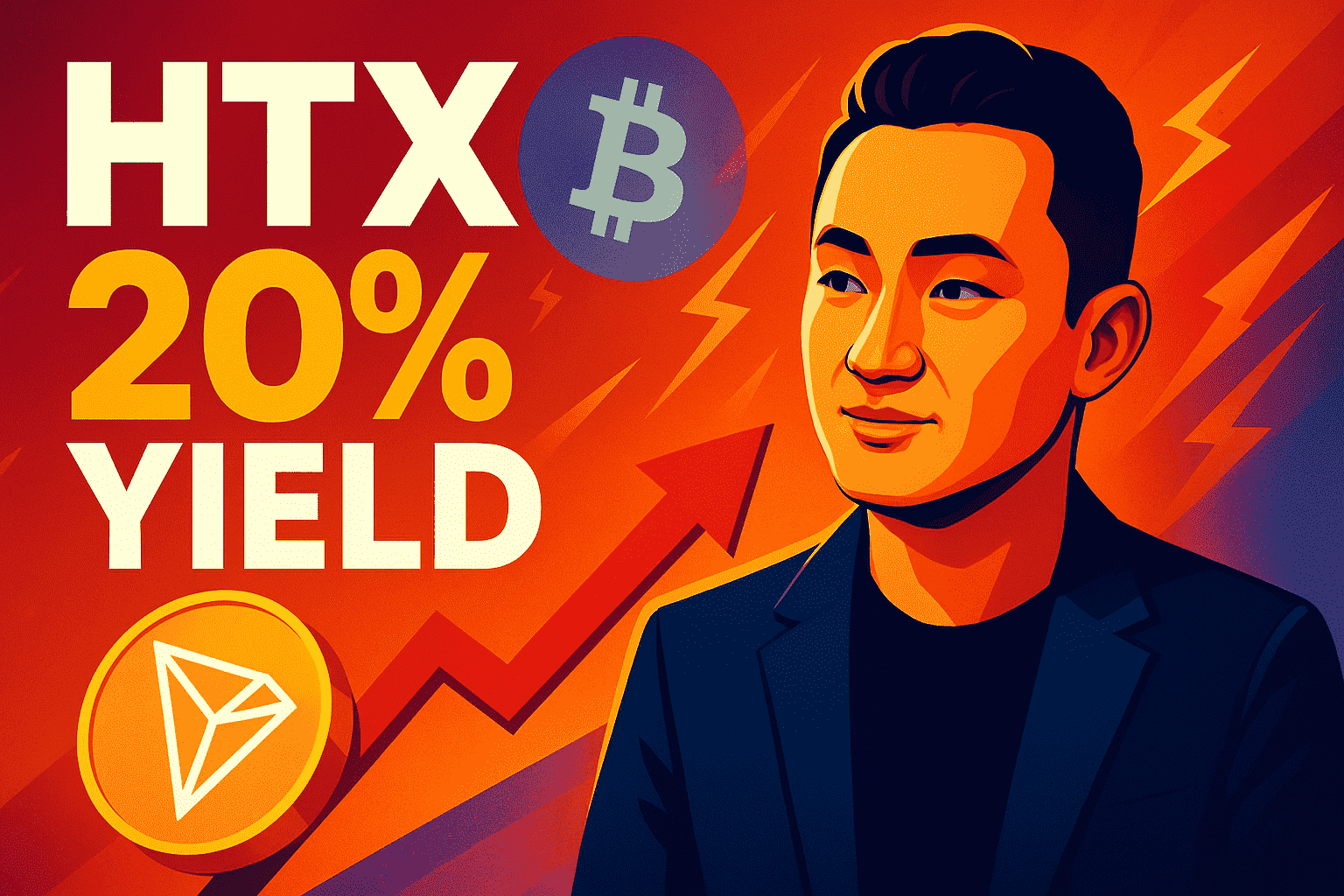
Justin Sun, founder of TRON and key figure behind crypto exchange HTX (formerly Huobi), has responded to growing skepticism over the platform’s latest high-yield wealth management product tied to WLFI, a Trump family, backed crypto project.
To the World Liberty Financials team and the global community,
As one of the early major investors in World Liberty Financials, I have contributed not only capital but also my trust and support for the future of this project. My goal has always been to grow alongside the team…
— H.E. Justin Sun 👨🚀 (Astronaut Version) (@justinsuntron) September 5, 2025
On September 2, HTX launched a WLFI savings product offering up to 20% annualized yield, immediately drawing attention across the crypto community. While attractive to investors, critics raised concerns that Sun might be leveraging user deposits to cash out his WLFI holdings.
So it looks like Justin Sun offered 20% APY on Wlfi at HTX. People made deposits and locked tokens, he could use his locked tokens as such and dump deposits on the market cashing out right now from his "locked" allocation?
Chapeau bas mr Sun pic.twitter.com/FpiYTotGXc
— Pavrth (@pavrth) September 4, 2025
Sun: “High Yields Are Subsidies, Not Risks”
In a statement shared on X (formerly Twitter), Sun dismissed speculation, insisting the generous yields are entirely subsidized by the platform, similar to traditional “customer acquisition subsidies” in competitive markets.
“It’s a battle for users,” Sun said, emphasizing that HTX’s group revenues, reportedly in the billions annually, are sufficient to sustain such subsidies. “User funds are fully transparent under our Merkle Tree proof system. Security is not a concern.”
Sun described the strategy as “unlimited deposits” to rapidly grow HTX’s market share, adding that the exchange will later refine its approach once liquidity has stabilized.
Investors Remain Skeptical
Despite Sun’s defense, some WLFI holders argue his remarks did not directly address concerns about whether HTX might be using customer WLFI deposits for sell-offs.
To boost inflows further, HTX has also increased interest rates across stablecoin products (USDT, USDC, USD1, and USDD) and removed investment caps, signaling a more aggressive growth push.
Why It Matters
The move highlights the high-stakes competition among crypto exchanges to attract liquidity through incentives, while also fueling debate about sustainability and trust in centralized platforms.