


 Some of the links on this site may be affiliate links. ICOBench may receive advertising commissions when users visit recommended platforms via our affiliate links, at no additional cost to you. All recommendations are based on a comprehensive review process.

As of today, Bitcoin is trading around $83,300, down 1.7% over 24 hours after swinging between roughly $82,580 and $84,940, with a market cap of about $1.67 trillion. That extends a tough stretch: by Saturday, when BTC sat near $85,000, it was down 23.2% over the prior year, while the Fidelity Wise Origin Bitcoin ETF (CBOE:FBTC) had lost 23.4% over the same period.
The two follow essentially the same price, but the mechanics underneath that shared exposure differ sharply on fees, custody, transferability, and tax paperwork.
Sept 28 Update:#Bitcoin ETFs:
1D NetFlow: +1,740 $BTC(+$145.71M)🟢
7D NetFlow: +29,298 $BTC(+$2.45B)🟢#Ethereum ETFs:
1D NetFlow: +20,447 $ETH(+$55.12M)🟢
7D NetFlow: +231,519 $ETH(+$624.1M)🟢 pic.twitter.com/jtNCD3FjGo— Lookonchain (@lookonchain) September 28, 2026
Bitcoin vs. FBTC: The Core Trade-Off for Retail Investors
The comparison boils down to two access routes to the same asset: buying Bitcoin directly through an exchange and self-custodying it, or buying shares of FBTC inside a brokerage account. The near-identical one-year decline shows both deliver similar price exposure.

The practical conclusion is conditional rather than absolute. An ETF structure tends to suit brokerage and retirement investors who value convenience, while direct Bitcoin ownership tends to suit investors who want round-the-clock trading and full control of their coins.
Sign Up With MergeX And Trade CryptoFees, Bitcoin Trading Hours, and the Cost of Convenience
FBTC charges a 0.25% annual expense ratio, meaning a $10,000 position costs about $25 a year in fees, or roughly $490 over two decades if the invested amount stayed flat. Direct Bitcoin ownership carries no equivalent recurring fund fee. Investors typically pay exchange trading fees and a blockchain network fee to move coins into a personal wallet, plus an optional one-time cost of around $100 for a hardware wallet.
Many fund investors do not even notice these charges. Only 45% of ETF and mutual fund owners report paying fees on their holdings, according to a FINRA Investor Education Foundation survey cited in the source article.
Trading hours matter too. Bitcoin trades continuously, including weekends, while FBTC only trades during U.S. market hours, so weekend price swings do not show up in the ETF until markets reopen. Weekly inflows into spot Bitcoin ETFs have fluctuated through 2026, underscoring how brokerage-hour demand shapes fund pricing separately from the underlying coin.
Don’t Miss: ICOBench Experts Call the Next 1000x Crypto Coins for 2026
Custody, Private Keys, and Transferability
Direct Bitcoin holders practice self-custody, controlling the private keys that prove ownership and allow transfers to any compatible wallet. That control cuts counterparty risk, but losing those keys means permanently losing access to the coins, with no recovery path.
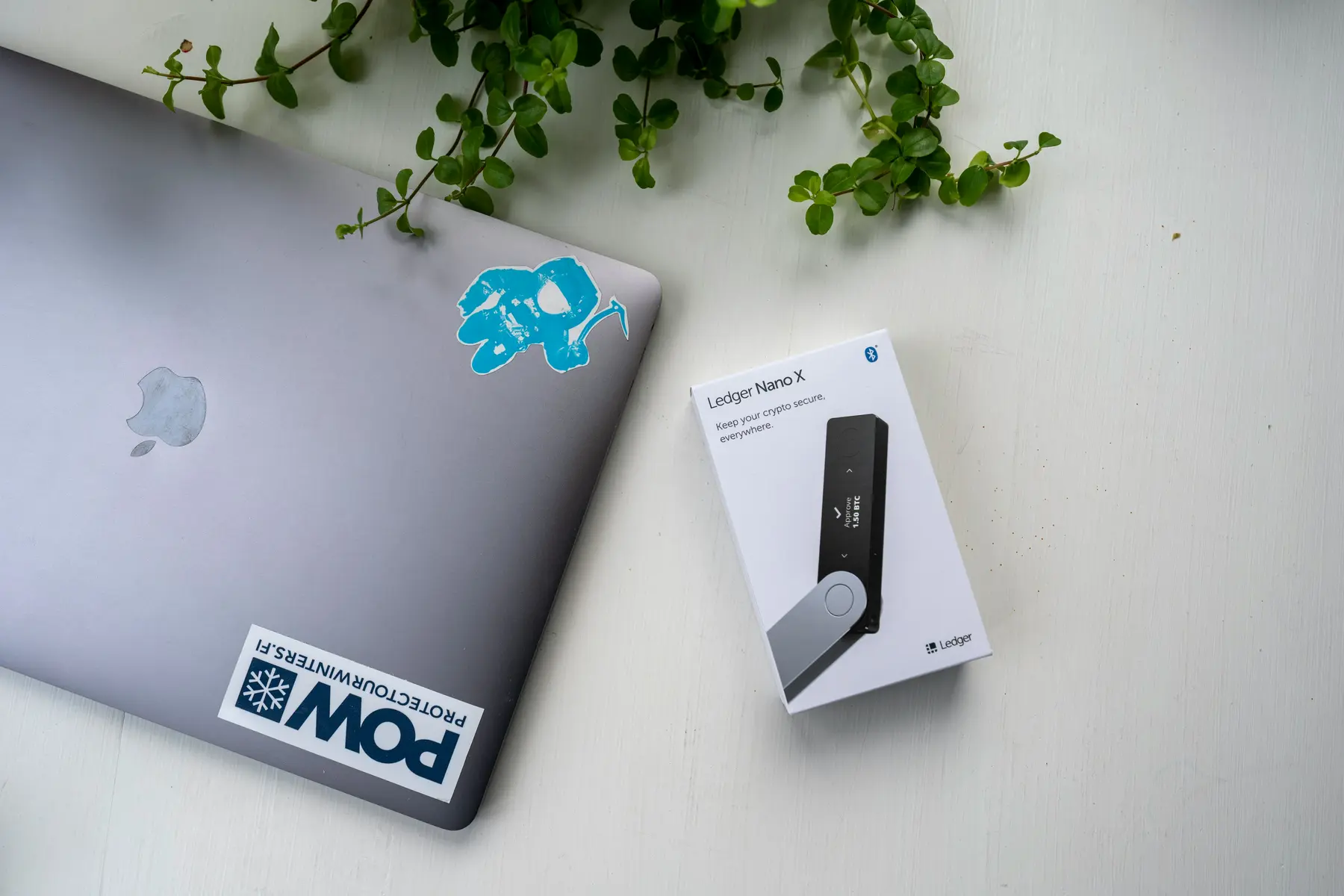
Keeping coins on an exchange instead shifts the risk elsewhere: exchange-held funds carry no SIPC insurance if the platform fails, a scenario that has played out before in the industry. FBTC sidesteps that private-key burden entirely, since custody sits with an institutional custodian inside a regulated fund structure.
It is similar to the setup institutional custodians manage around BlackRock’s spot Bitcoin ETF conversion. The trade-off is that FBTC shareholders cannot withdraw the underlying coins or send them on-chain; they own fund shares, not Bitcoin itself.
Why Retirement Accounts and Tax Reporting Favor the ETF
A spot Bitcoin ETF can typically sit inside a traditional IRA or 401(k) when the plan offers brokerage options, letting the investment grow tax-deferred or tax-free depending on the account type. Direct Bitcoin ownership generally needs a specialized crypto IRA provider to get similar retirement-account treatment, which narrows the field of options.
On crypto taxes, FBTC holders receive a Form 1099-B that lays out proceeds and cost basis in one document. Direct Bitcoin sales can involve Form 1099-DA, and the source article notes that cost-basis reporting applies only to coins purchased after January 1, 2026.
This is a detail worth confirming against current IRS guidance before filing, since federal rules generally treat digital assets as property subject to capital gains reporting once sold or exchanged.
Coins held in a personal wallet may generate no tax reporting at all, leaving record-keeping entirely on the investor. ETF inflows have also reshaped Bitcoin’s market depth and liquidity, a dynamic tied directly to how much capital flows through these brokerage-friendly wrappers rather than on-chain wallets.
Which Option Fits Which Retail Investor?
BULLISH: Bitcoin ETF demand is back!
Smart money knows $BTC will hit $150,000 soon. pic.twitter.com/GmxCQAZAPw
— Crypto Rover (@cryptorover) September 28, 2026
For retirement savers, the ETF’s IRA access and simplified tax paperwork often outweigh the 0.25% annual fee. For investors comfortable managing private keys and wanting flexibility to react at 3 a.m. on a Sunday, direct ownership keeps that door open.
Neither route eliminates the underlying risk. In a 2024 FINRA Foundation survey, 66% of investors described crypto as extremely or very risky, up from 58% in 2021. This is a reminder that the fees-versus-control debate sits on top of an asset that remains volatile regardless of how it’s held.
Don’t Miss: The Secret Meme Coins Smart Money Are Stacking For Next Year