




 Some of the links on this site may be affiliate links. ICOBench may receive advertising commissions when users visit recommended platforms via our affiliate links, at no additional cost to you. All recommendations are based on a comprehensive review process.
BlackRock cut the minimum size for converting Bitcoin directly into shares of its iShares Bitcoin Trust ETF, IBIT, to $1 million from $25 million. This BlackRock crypto change was made in July.
The 96% reduction applies to an institutional in-kind creation-and-redemption mechanism. It is not a retail purchase minimum and does not give ordinary brokerage users a direct way to swap IBIT shares for Bitcoin. The process remains limited to authorized participants and qualifying institutional channels.
By lowering the threshold, BlackRock has made the mechanism available to a broader range of institutional crypto participants. The change concerns how Bitcoin can move into the regulated ETF structure while preserving Bitcoin price exposure, rather than changing the basic nature of IBIT as an ETF wrapper.
Discover: Trade Crypto on OKX
What the BlackRock Crypto Lower Floor Actually Changes
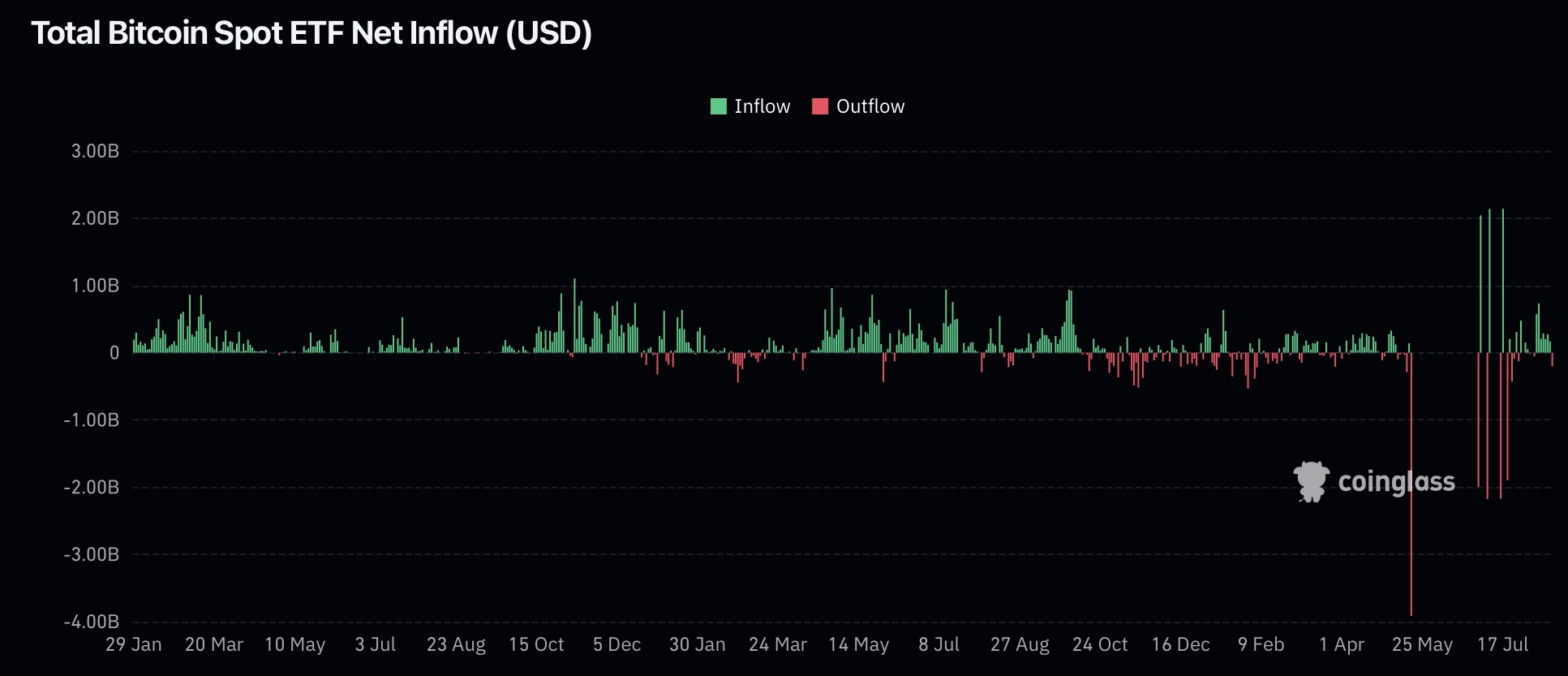
BlackRock Head of Digital Assets Robbie Mitchnick said the fund has facilitated more than $5 billion in these conversions. That was up from more than $3 billion when Bloomberg first reported on the trend in October. The figures are attributed to Mitchnick and describe the reported volume of conversions through the fund structure.
In-kind conversion allows holders to move Bitcoin from private wallets into a regulated fund structure while retaining price exposure. The process can take more than a week. It is an institutional process involving authorized participants, market makers, custodians, and other qualifying channels rather than a feature for retail shareholders seeking personal-wallet redemption.
The lower threshold may make the process more practical for institutions that already operate in crypto markets or have access to Bitcoin liquidity. It also reduces the operational bar for firms considering creation and redemption activity involving the underlying asset.
Supporting Data Block
| Item | Reported detail |
|---|---|
| IBIT in-kind minimum | Reduced from $25 million to $1 million. |
| Reported conversion volume | More than $5 billion, up from more than $3 billion when Bloomberg first reported on the trend in October. |
| Reported processing time | More than one week. |
| Bitwise in-kind minimum | Reduced from $100 million to $3 million. |
| IBIT scale cited by Insider Monkey | Roughly 3.645% of Bitcoin’s total supply and $60.65 billion in net assets. |
IBIT held roughly 3.645% of Bitcoin’s total supply and listed net assets of $60.65 billion. Its analysis characterized that scale as an advantage in attracting Bitcoin holders who decide to use a regulated fund structure. The lower threshold could bring the option within reach of family offices and wealthy individual holders, while actual participation remains dependent on the use of the process.
Don’t Miss: The Secret Meme Coins Smart Money Are Stacking For Next Year
BlackRock Crypto Competition and the Limits of a Lower Minimum
BlackRock crypto rivals are following suit: Bitwise cut its in-kind minimum from $100 million to $3 million, as issuers compete to serve holders moving Bitcoin into ETF structures.
Bitwise CIO Matt Hougan called the conversion process bespoke, requiring a market-maker introduction and adviser coordination, though it’s becoming more standardized. That points to a process still operationally involved, not fully automated.
Mitchnick cited custody failures and physical-security risks of self-storing Bitcoin as reasons some holders prefer a regulated wrapper. But these conversions simply move Bitcoin from private wallets into fund custody; they don’t establish a change in aggregate demand.
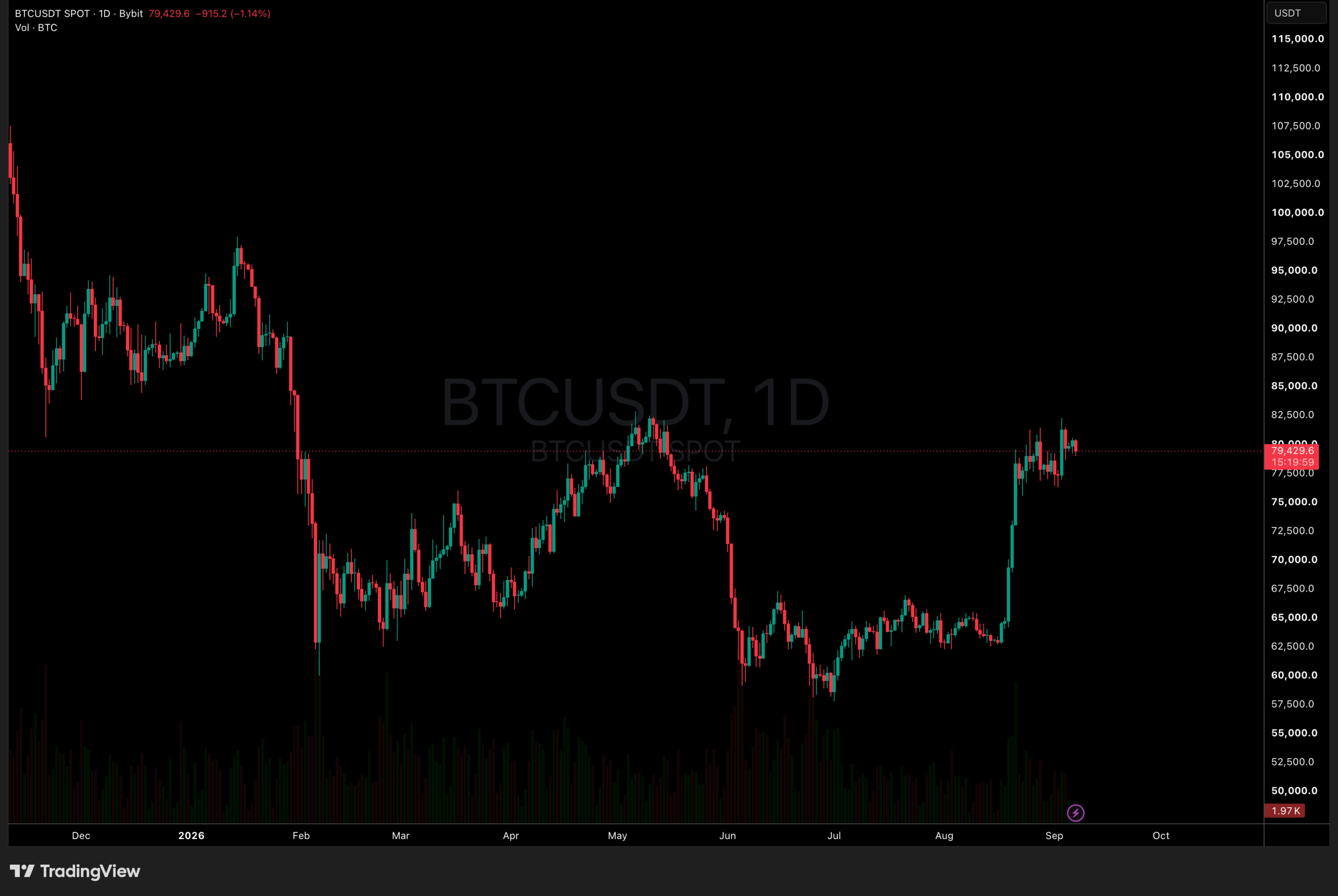
IBIT’s assets also remain tied to Bitcoin’s price, which affects both the fund’s value and BlackRock’s fees.
What to Watch Next?
The reported conversion total, the processing timeline, and the uptake of the $1 million threshold are relevant measures for assessing how the mechanism develops. Continued use would show whether more qualifying institutions choose to move Bitcoin into the IBIT structure after the lower minimum was introduced.
Competition from other issuers also remains relevant, particularly following Bitwise’s reduction to $3 million. The available reporting presents the lower thresholds as an effort to broaden institutional access, but it also emphasizes that the process remains bespoke and that Bitcoin price volatility continues to affect the value of assets in the fund.
Don’t Miss: New Binance Listings That Could Erupt This Year