





 Some of the links on this site may be affiliate links. ICOBench may receive advertising commissions when users visit recommended platforms via our affiliate links, at no additional cost to you. All recommendations are based on a comprehensive review process.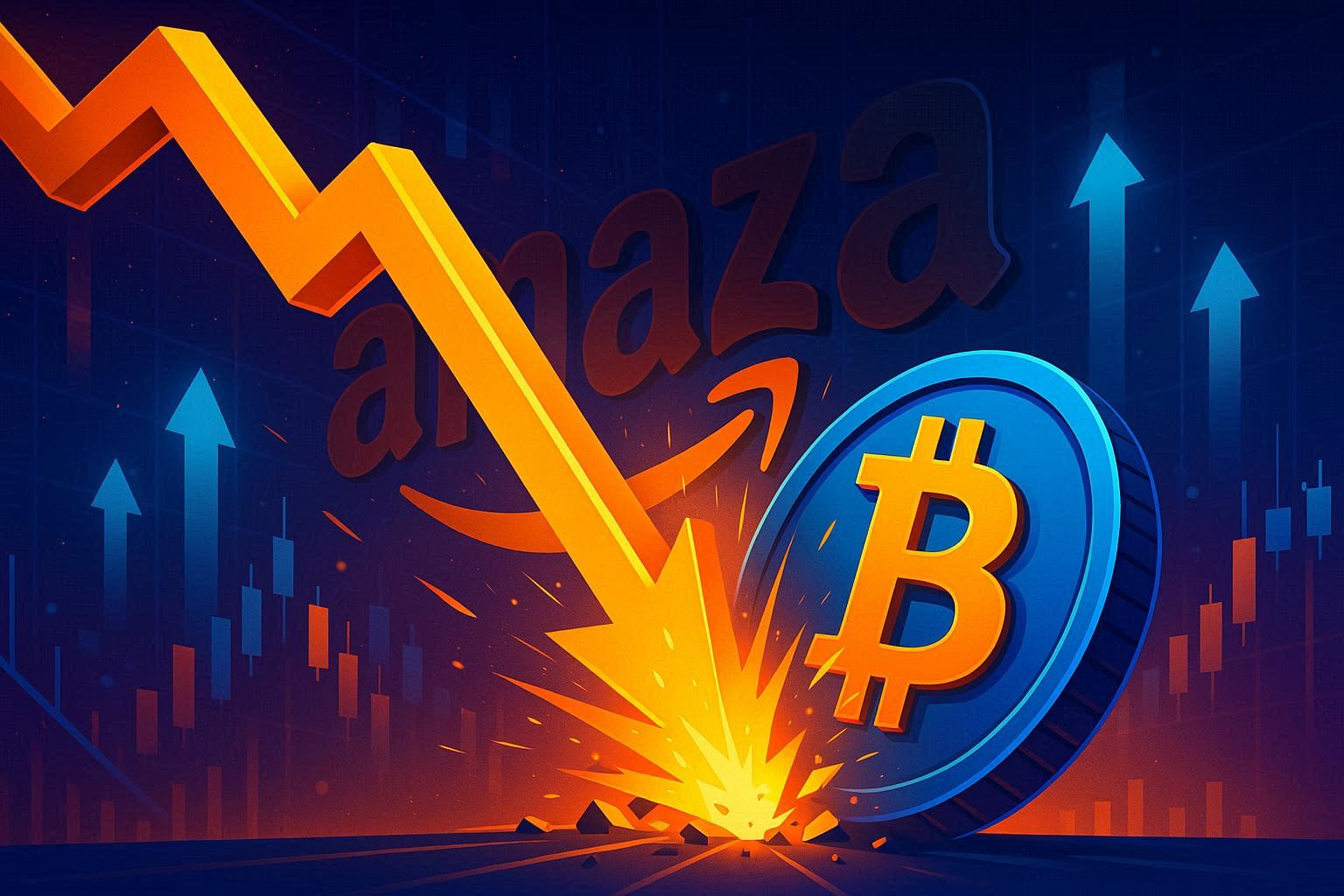
A large-scale system failure at Amazon Web Services (AWS) on the 20th triggered a global digital infrastructure crisis, severely impacting major cryptocurrency exchanges like Coinbase and NFT marketplaces, including those trading Bored Ape Yacht Club assets. The hours-long outage halted transactions and blocked access to digital assets across prominent crypto networks, starkly revealing a critical vulnerability at the heart of the industry.
FRUSTRATING TO MAKE A CRYPTO TRANSACTION TODAY RIGHT? 👀
Cause of the Aws server crash😅, the damn irony
Isn’t crypto built to escape centralization control?
Ehm yes but well most of our current crypto industry runs on Amazon servers
When Satoshi wrote the @Bitcoin… pic.twitter.com/rrGBOydks5
— Mazee(🔴,💊) (@LEZZYBRUV) October 20, 2025
Centralized Dependency Exposed
While the core philosophy of blockchain technology is decentralization, the AWS outage highlighted the paradoxical reality that many crypto services are deeply reliant on centralized cloud infrastructure. Most platforms depend on AWS for data hosting and operational processes, creating a single point of failure for entire systems.
In the wake of the disruption, Coinbase acknowledged service interruptions but assured users that their funds remained safe. However, NFT trading and the operation of many blockchain nodes were paralyzed. The impact extended far beyond crypto, affecting UK banking and government services, underscoring the broad fragility of the modern digital society.
Recurring Outages and an Industry-Wide Challenge
The event sparked criticism within the crypto community, with many pointing out the contradiction of a sector built on promoting decentralization being critically hobbled by a centralized infrastructure failure. The incident has reignited urgent discussions about the need for greater infrastructural redundancy.
The reality is that even networks that tout their decentralization often rely on centralized cloud providers like AWS to ensure processing speed and scalability. This structure risks undermining the very value proposition of cryptocurrencies.
This is not an isolated incident; similar AWS outages in 2021 and 2023 also caused widespread crypto service disruptions, indicating that this fundamental flaw within the industry’s architecture remains unresolved. The outage has sharply clarified the tension between crypto’s decentralized ideals and its practical reliance on centralized technology. Achieving true decentralization will require a critical industry shift towards DEXs and infrastructure that are not dependent on single service providers like AWS.