

 Some of the links on this site may be affiliate links. ICOBench may receive advertising commissions when users visit recommended platforms via our affiliate links, at no additional cost to you. All recommendations are based on a comprehensive review process.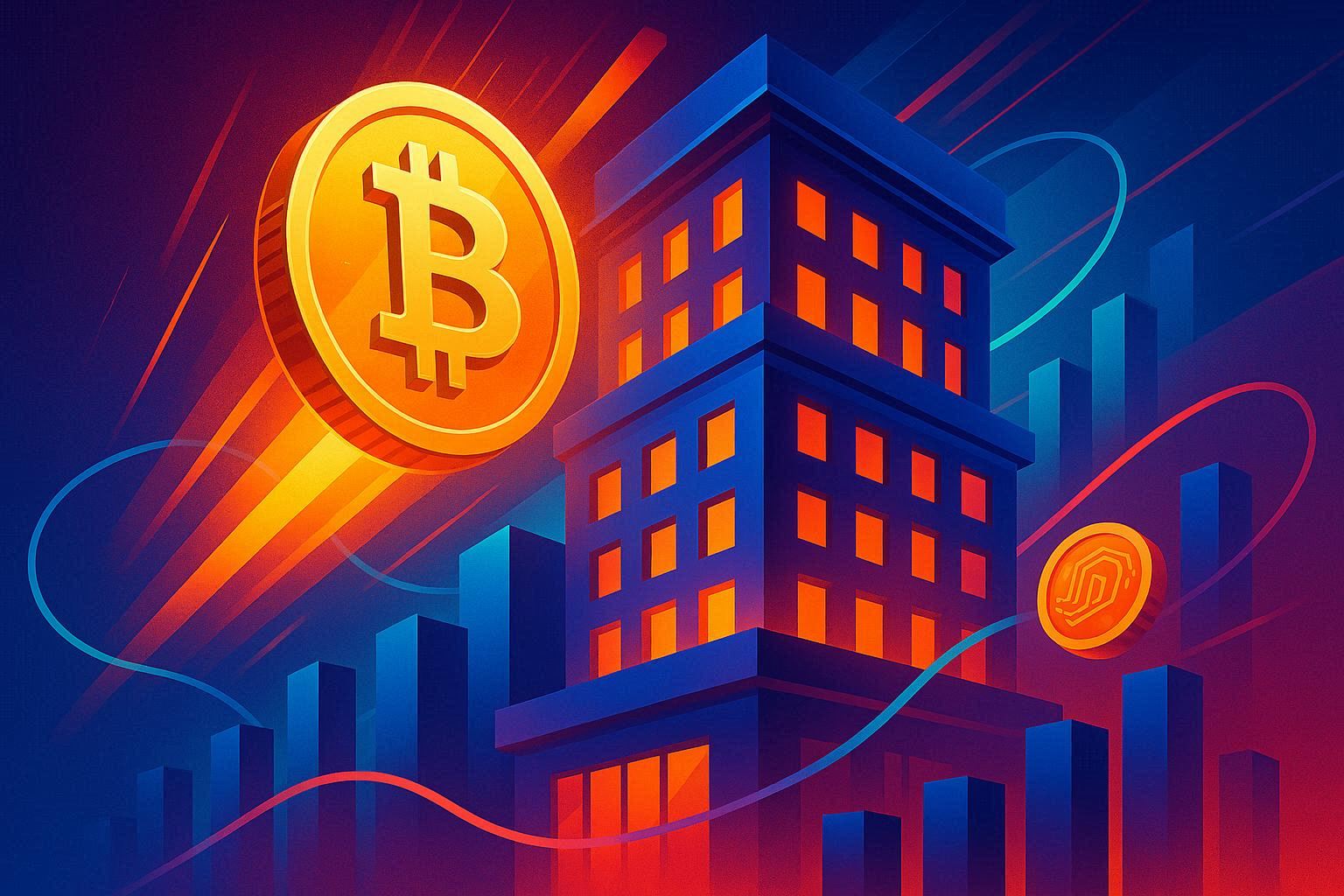
Eric Trump, son of former U.S. President Donald Trump, has announced a collaboration with World Liberty Financial (WLFI) on a real estate tokenization initiative. The project, revealed on the 10th, aims to democratize property investment by allowing participants to acquire fractional ownership in high-value real estate, starting from as little as $1,000.
🚨 JUST IN: Eric Trump confirms plans to tokenize real estate with World Liberty Financial.
They’re aiming for fractional ownership via blockchain, allowing public investors to access high-profile properties.
The Trump family is BULLISH on RWA. 🚀 pic.twitter.com/TesynQDxOn
— Real World Asset Watchlist (@RWAwatchlist_) October 15, 2025
The venture will leverage the infrastructure of WLFI, a DeFi protocol co-founded by Eric Trump, and could potentially utilize its USD1 stablecoin. This model seeks to reshape traditional real estate financing, moving it away from exclusive large bank loans toward a more open and accessible system.
Democratizing Real Estate Ownership
The project will tokenize partial ownership of specific, prominent real estate properties. Token holders will not only own a share of the asset but are also slated to receive perks, such as hotel stays.
“Why, if we’re building a hotel in Washington D.C., or in Dubai, or in New York, do we have to go to Deutsche Bank? Why can’t we go directly to the people?” Eric Trump stated, emphasizing his interest in this new financial model.
Tokenization converts physical assets like real estate into digital tokens on a blockchain, making them easily tradable and transferable. This initiative is seen as a significant step toward opening up the luxury real estate market, previously reserved for the wealthy, to a broader base of retail investors.
Fueled by Institutional Interest and Supportive Regulation
This move aligns with growing institutional interest in the Real World Asset (RWA) tokenization space. Global banks and asset managers are actively exploring blockchain technology to enhance liquidity and expand investment access, with projections suggesting the RWA market could grow into a multi-trillion-dollar arena.
International success stories, such as the MultiBank Group’s tokenization of $3 billion worth of luxury real estate in Dubai, are accelerating adoption.
The regulatory environment in the U.S. is also proving favorable. Legislation like the GENIUS Act and executive orders facilitating crypto and real estate investments through 401(k) plans are creating a more supportive framework for such technological innovations.
Through this project, the Trump Organization aims to leverage blockchain to reach a new, previously untapped investor demographic. While the venture must navigate challenges like regulatory compliance and investor protection, it holds the potential to redefine the very structure of real estate finance.