

 Some of the links on this site may be affiliate links. ICOBench may receive advertising commissions when users visit recommended platforms via our affiliate links, at no additional cost to you. All recommendations are based on a comprehensive review process.
A coalition of 82 Catholic leaders, organized by the Alliance to End Human Trafficking, sent a letter to Senate leaders on June 23, 2026, opposing the Digital Asset Market CLARITY Act.
They argue that a key provision intended to protect DeFi developers could create loopholes in anti-money-laundering enforcement.
🚨 THE WAR ON CRYPTO IS ESCALATING FAST.
Crypto is now being framed as a national security threat in Washington.
Catholic organizations are now urging Congress to oppose major crypto legislation, warning it could create loopholes for traffickers and organized crime.
They are… pic.twitter.com/fZR2MuPx11
— Crypto Rover (@cryptorover) June 23, 2026
This letter adds a moral voice to a controversy that includes Wall Street, law enforcement, Native American tribes, and some Senate Democrats.
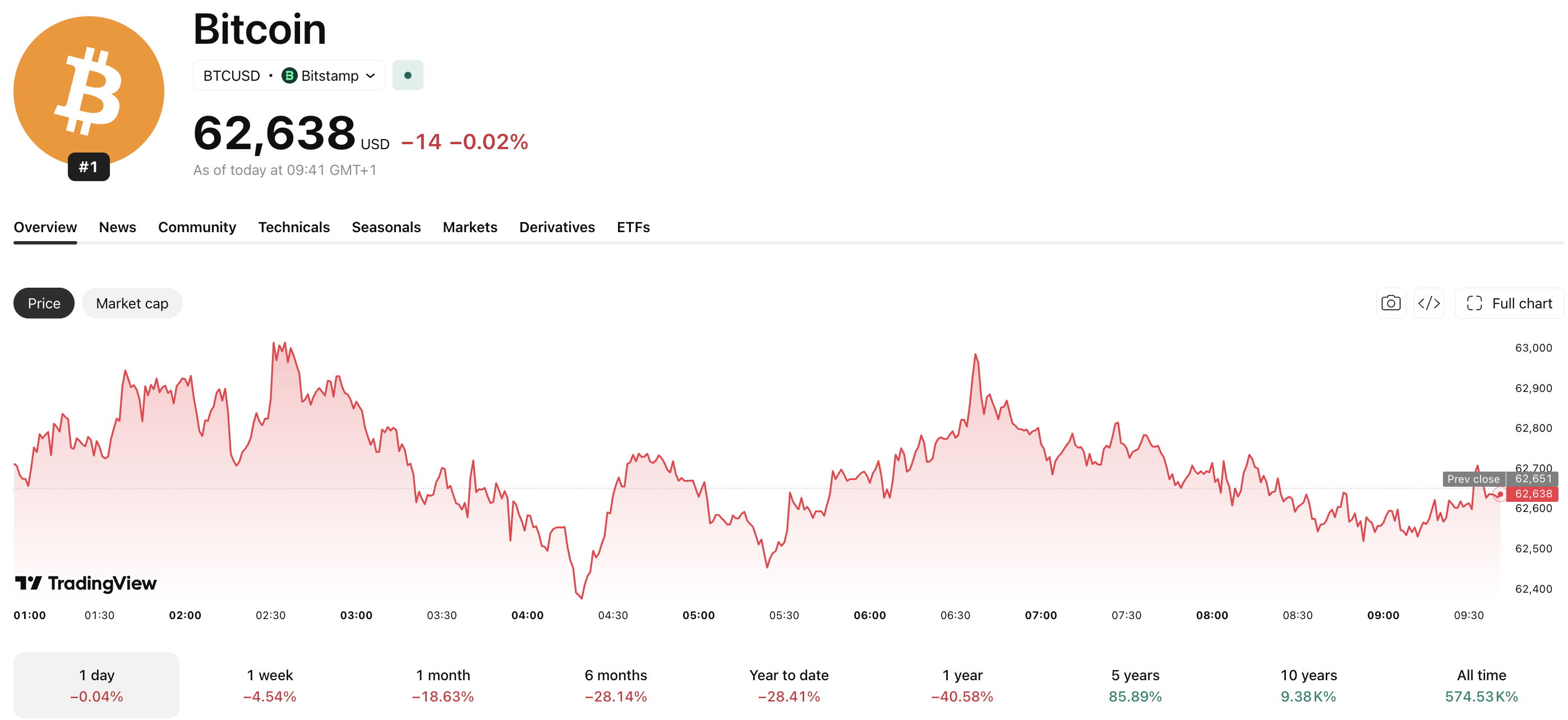
On June 24, Bitcoin was trading near $62,300, down from around $64,000, with the Fear & Greed Index at 17 (Extreme Fear) and Bitcoin ETFs seeing roughly $6.35Bn in net outflows in the past month. The stalled Senate vote on the CLARITY Act contributes to negative sentiment in the crypto market.
The CLARITY Act Coalition Letter: What 82 Catholic Leaders Are Actually Arguing
A coalition of 82 signatories, convened by the Alliance to End Human Trafficking, is not opposed to crypto regulation overall but specifically targets Section 604 of the CLARITY Act, which codifies the Blockchain Regulatory Certainty Act (BRCA).
They argue that the BRCA could hinder the monitoring of illicit financial activities related to trafficking, organized crime, and other abuses. Drawing on Catholic social teaching, they emphasize that financial systems should prioritize human dignity and safety.
Their concern is the lack of accountability for suspicious transactions on non-custodial platforms, which weakens law enforcement’s ability to trace illegal activity in decentralized finance.
What Section 604 / BRCA Actually Does And Why It Is a Red Line
Section 604’s mechanism is narrowly defined yet has broad implications. The BRCA distinguishes non-custodial actors, such as software developers and miners, from money transmitters, provided they don’t control users’ funds.
The legal rationale is that open-source coding and transaction validation differ fundamentally from operating a bank or exchange.
Cody Carbone from the Chamber of Digital Commerce argues that Section 604 clarifies this distinction and doesn’t legalize money laundering, but law enforcement and some advocacy groups remain unsatisfied.
The Trump DOJ’s actions against crypto developers for facilitating the development of privacy tools complicate the interpretation of Section 604.
Industry leaders view the BRCA as essential; removing it would jeopardize their support for the CLARITY Act.
This creates a legislative challenge for the Senate, as the outcome will determine whether non-custodial platforms face significant compliance burdens under federal law, potentially reshaping the DeFi sector’s legal framework in the US.
DISCOVER: Best Crypto Presales to Watch Right Now
Crypto regulation has entered a new phase when Bitcoin developer protections are now drawing opposition from anti trafficking groups and Catholic organizations.
The CLARITY Act debate is getting a lot more complicated than crypto versus regulators.
Do you think the crypto bill… https://t.co/SYwPSZO7qi pic.twitter.com/2TopKgF5ss
— BSCN (@BSCNews) June 24, 2026
The CLARITY Act faces significant opposition, particularly on June 23. Wall Street is pushing for restrictions on stablecoin yields, arguing that they unfairly compete with bank deposits, while Native American tribes seek limits on sports-betting prediction markets.
Some Senate Democrats want the bill to address President Trump’s crypto ventures before agreeing to vote. These objections can potentially be negotiated.
In contrast, the Catholic coalition’s opposition is rooted in moral arguments about human dignity and the protection of the vulnerable, making compromise more challenging.
Senators from heavily Catholic areas face political pressure when 82 Catholic leaders oppose the bill on anti-trafficking grounds, as a yes vote can be portrayed as prioritizing crypto over human rights.
Additionally, law enforcement groups share concerns about Section 604’s AML framework, suggesting that broad safe harbors could weaken compliance with the Bank Secrecy Act.