




 Some of the links on this site may be affiliate links. ICOBench may receive advertising commissions when users visit recommended platforms via our affiliate links, at no additional cost to you. All recommendations are based on a comprehensive review process.
The U.S. Senate voted 49-50 against invoking cloture on the motion to proceed to H.R. 3633, the Digital Asset Market CLARITY Act, on September 15, 2026, according to the official Senate roll call record.
The procedural defeat blocks the bill’s planned path to floor debate but is not a final vote rejecting the legislation, and Senator Thom Tillis moved to preserve the possibility of reconsideration.
Every Democrat present voted no, including senators who had spent months negotiating the bill, such as Ruben Gallego and Angela Alsobrooks. Their main objection was that the bill’s ethics provisions weren’t strong enough to address crypto profits made by President Trump and his family. This, even after Republicans released revised text with new ethics restrictions two days before the vote.
Gallego said the bill failed because Republicans wouldn’t push back on the president and should have worked more closely with Democrats on stronger ethics rules.
I voted NO to advance the Clarity Act because it fails to rein in the President's rampant corruption, letting him and his family continue amassing billions from unethical crypto ventures.
I've long called for real guardrails on cryptocurrency to restore Americans' trust in our…
— Michael Bennet (@SenatorBennet) September 16, 2026
You’re Still Early: 10 AI Agent Coins That Could Win Big Next Bullrun
Senate Cloture Vote Delays CLARITY Act Consideration
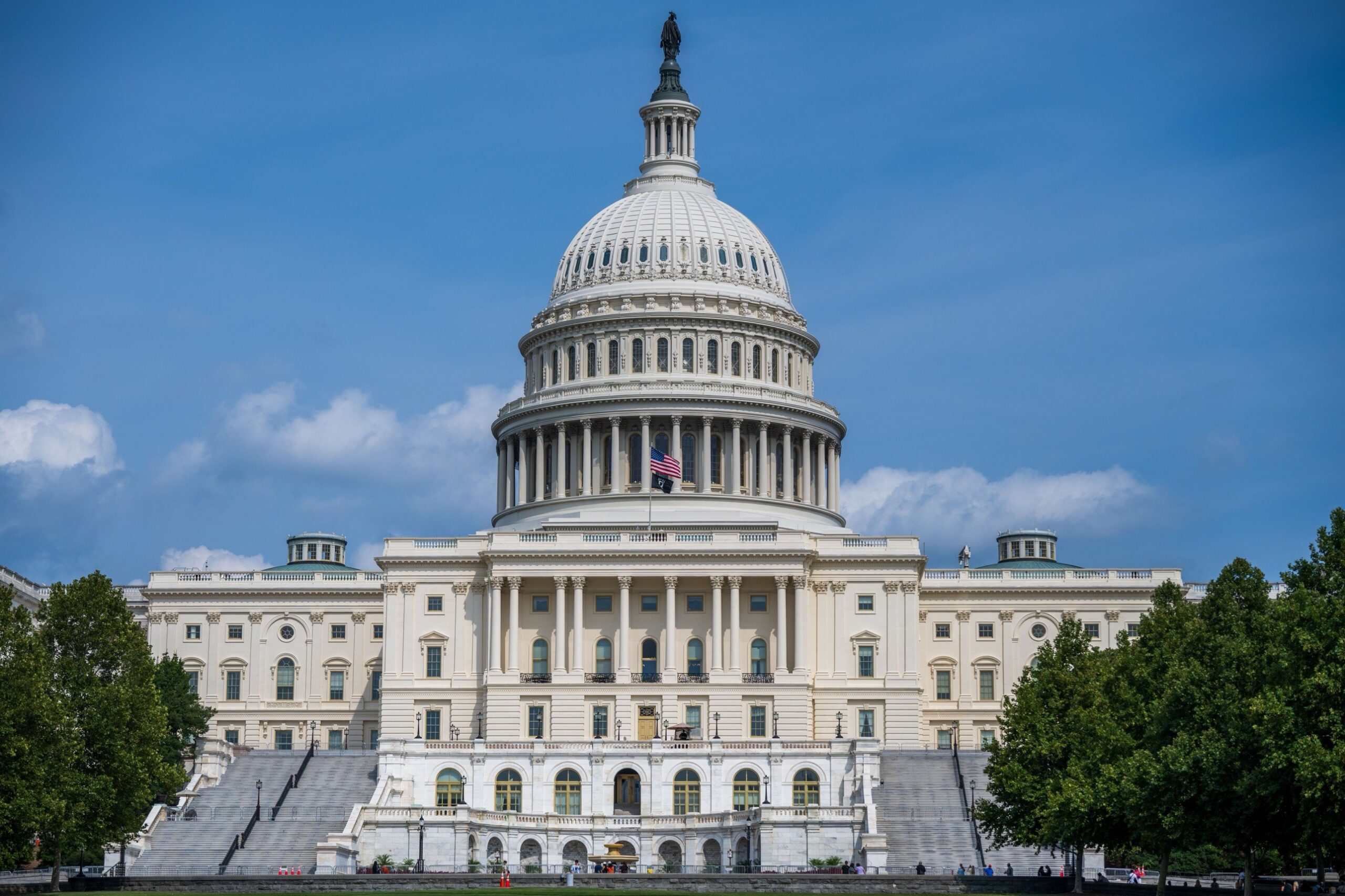
Voting began at approximately 2:18 p.m. and the result was recorded at 3:00 p.m. Senator Chris Coons did not vote, while Senators Susan Collins, Josh Hawley, Jerry Moran and Thom Tillis voted no.
Tillis’s no vote was procedural rather than substantive: he cast it specifically so he could file a motion to reconsider H.R. 3633, which he did at 3:01 p.m. The result required 60 votes to invoke cloture and clear the way for formal Senate debate and amendment; falling short at 49-50 means the bill’s advance to the floor is stalled, not terminated.
Congress.gov’s bill record confirms H.R. 3633, the Digital Asset Market Clarity Act, passed the House 294-134 on July 17, 2025. It was reported out of the Senate Banking, Housing, and Urban Affairs Committee with an amendment on June 1, 2026, before Tuesday’s cloture attempt. The bill has not passed the full Senate, been sent to the president, or become law. Investors tracking the CLARITY Act Senate vote should treat this as a procedural checkpoint rather than a legislative endpoint.
The CLARITY Act’s Unfinished Blueprint for U.S. Crypto Regulation
As officially titled, H.R. 3633 would establish a system for regulating the offer and sale of digital commodities jointly overseen by the SEC and CFTC. The bill’s official language would also restrict Federal Reserve Banks from offering certain products or services directly to individuals and would prohibit using a central bank digital currency as a tool of monetary policy.
None of these provisions is current law. Congress.gov lists the bill as passed by the House but not the Senate, so the long-anticipated jurisdictional split between the SEC and CFTC remains proposed policy rather than an enforceable rule.
Tuesday’s vote extends that limbo: issuers, exchanges, custodians, and DeFi projects continue operating in the same fragmented classification environment as before. The vote created no new legal restriction, but it prolonged existing uncertainty.
Readers weighing how DeFi protocols might eventually be classified can find deeper background in ICOBench’s coverage of the bill’s proposed control test.
The CLARITY Act didn't advance in the Senate today, which was a disappointment. While it's possible bi-partisan conversations continue and it lives to fight another day, we can't wait on Congress anymore.
The SEC and CFTC have the tools they need to create clear rules under…
— Brian Armstrong (@brian_armstrong) September 15, 2026
Don’t Miss: ETF Experts Predict The Next Crypto to Explode in 2026
Pause or Stalemate: What Investors Should Watch After the Failed Vote?
Tillis’s motion to reconsider keeps a narrow procedural door open, but the Senate record neither sets a date for a follow-up vote nor guarantees one. The bill could return through reconsideration, a narrower compromise, or attachment to other legislation. Any of those paths depends on future floor activity.
BREAKING: $275 million in crypto longs were liquidated in just 20 minutes after the Crypto Clarity Act failed to pass the Senate vote.
Bitcoin crashed -$2,200 in just 20 minutes to $74,900 and Ethereum fell below $2,400.
Nearly $70 billion erased from the crypto market. pic.twitter.com/a2GzP2Ikld
— Bull Theory (@BullTheoryio) September 15, 2026
Until the Senate acts again, SEC and CFTC rulemaking and enforcement, rather than a comprehensive statute, will likely shape near-term compliance obligations for digital-asset businesses. The next procedural move will signal whether this week’s setback is a temporary pause or the start of a longer stalemate.


