


 Some of the links on this site may be affiliate links. ICOBench may receive advertising commissions when users visit recommended platforms via our affiliate links, at no additional cost to you. All recommendations are based on a comprehensive review process.
Coinbase CEO Brian Armstrong told CNBC’s Squawk Box Asia on September 10 that U.S. crypto markets are likely headed toward greater regulatory certainty regardless of what happens when the CLARITY Act comes up for a Senate vote on September 15.
Armstrong said that even if the bill stalls, the SEC and CFTC have signaled they are prepared to issue their own rulemaking, a fallback path that could still narrow the oversight gap hanging over Bitcoin, Ethereum and the broader digital-asset market.
The comments frame September 15 as a genuine decision point for U.S. crypto policy, not a make-or-break event.
Trade Securely With 0% Trading Fees on Binance🚨𝗝𝗨𝗦𝗧 𝗜𝗡: Coinbase CEO Brian Armstrong says regulatory clarity is coming:
“If it passes, great. We’ve got legislation. Frankly, if it doesn’t pass, it’s also going to be a good outcome because the SEC and CFTC have said that they’re ready to publish rulemaking.” pic.twitter.com/Abztvf0K8W
— DustyBC Crypto (@DustyBC) September 10, 2026
CLARITY Act: What Armstrong Told CNBC About the Bill’s Odds
Armstrong described the legislation as ready for a yes vote, saying the senators he has spoken with are on board with the text as negotiated. The CLARITY Act has drawn broad backing from crypto firms, law-enforcement groups and several banks: a coalition Armstrong pointed to as evidence the bill has real momentum heading into the vote.
The legislation aims to establish a federal framework for digital assets by dividing oversight responsibilities between the SEC and the CFTC, resolving years of ambiguity over which agency governs which tokens and platforms. It was introduced in May 2025 and passed the House in July of that year, and the underlying bill text is available via Congress.gov. Securing the 60 votes needed to advance in the Senate remains the central obstacle, with ethics provisions still being negotiated – though Armstrong characterized the sticking points as very close to resolution.
In July, I called on the Senate to advance the Clarity Act — a bill to establish a comprehensive regulatory framework for digital assets and upgrade our ability to prevent bad actors from exploiting these critical technologies.
When the Senate returns from August recess, I…
— Treasury Secretary Scott Bessent (@SecScottBessent) September 9, 2026
Regulatory Clarity With or Without a Vote
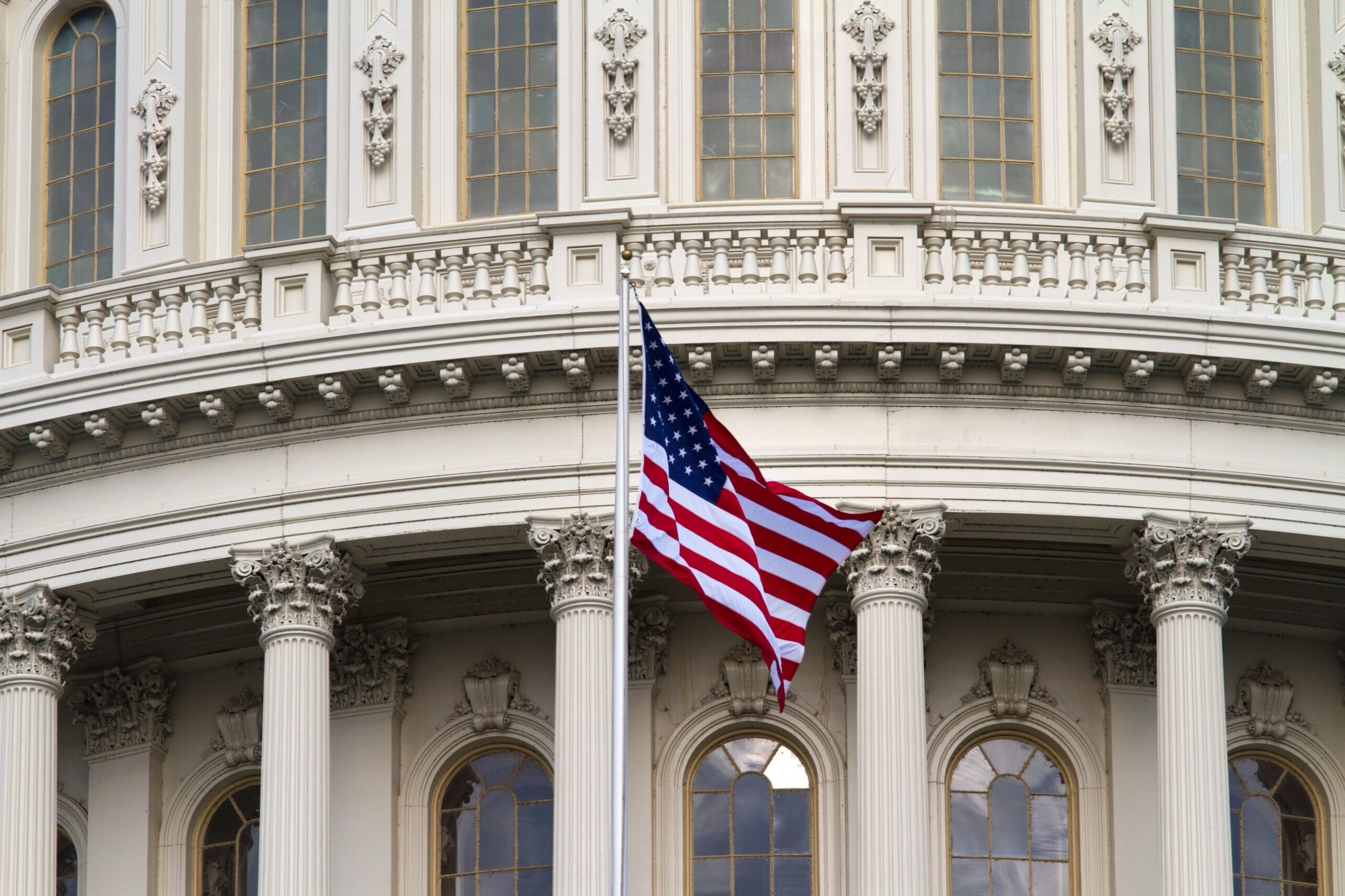
Armstrong’s core argument is that the Senate outcome isn’t the only route to certainty. A failed vote would still be a good outcome, since the SEC and CFTC have said they’re ready to publish their own rulemaking, meaning the industry gets regulatory clarity one way or another on the 15th or in the day or two after. That framing positions agency action as a credible backstop rather than a consolation prize, a point explored further in earlier coverage of Armstrong’s Senate-vote expectations.
He described passage of the bill itself as a regulatory checkbox. A milestone that could help unlock institutional capital and pave the way for products like tokenized equities in the U.S. Notably, neither Armstrong’s remarks nor the underlying CNBC report claim that Bitcoin, Ethereum or any specific altcoin would receive a changed legal classification as a result; the near-term effect described is reduced uncertainty for market participants, not a guaranteed repricing.
Don’t Miss: ICOBench Experts Call the Next 1000x Crypto Coins for 2027
Coinbase Diversifies Beyond Spot Trading
We're working to bring single stock perps to the US.
This week, we filed SEC-notice registrations for our derivatives exchange and broker.
We'll be collaborating closely with the SEC and CFTC to bring more major financial products onshore. pic.twitter.com/6wvjLXRwih
— Coinbase 🛡️ (@coinbase) September 3, 2026
The regulatory backdrop matters directly to Coinbase’s own business mix. Armstrong said spot crypto trading has essentially been down for the past year, even though trading still accounts for roughly half of company revenue. In response, Coinbase has pushed into stocks, commodities and foreign exchange, while building out non-trading revenue lines including stablecoin issuance and institutional custody. A strategy that connects to the wider question of whether Bitcoin’s regulatory path even depends on the CLARITY Act passing.
The company’s Q2 results underline the pressure: revenue fell to $1.2 billion from $1.5 billion a year earlier, alongside a net loss of $359.5 million versus a $1.43 billion profit in the prior-year period, marking a third straight quarter of missed Wall Street estimates. Coinbase shares are down nearly 23% year to date, a decline Armstrong tied partly to the prolonged spot-trading slowdown rather than to any single regulatory event.
Armstrong’s expectation is that clarity arrives regardless: either through passage or through SEC and CFTC rulemaking in the days that follow.
Whether the CLARITY Act clears the Senate or not, that dual-track approach – leaning into U.S. institutional products while banking overseas growth – looks set to define Coinbase’s posture into the fourth quarter.
Don’t Miss: The Secret Meme Coins Smart Money Are Stacking For Next Year