


 Some of the links on this site may be affiliate links. ICOBench may receive advertising commissions when users visit recommended platforms via our affiliate links, at no additional cost to you. All recommendations are based on a comprehensive review process.
Money is changing quickly. What began as a small test with digital assets has turned into a global shift in finance. People are no longer limited to banks or card networks for payments, loans, or savings.
Decentralized finance (DeFi) now offers new ways to manage money, and different tokens are competing to show their value. Some focus on being stable, others on making profits, and a few try to do both.
SpacePay is one of the projects making its mark, especially in crypto payments. Ethena is also active in DeFi with its stablecoin USDe, but when it comes to real adoption and practical use, SPY takes the lead. With its ongoing presale, SpacePay is showing why it could play a big role in the future of digital payments.
SPY as a Bridge Between Payments and DeFi
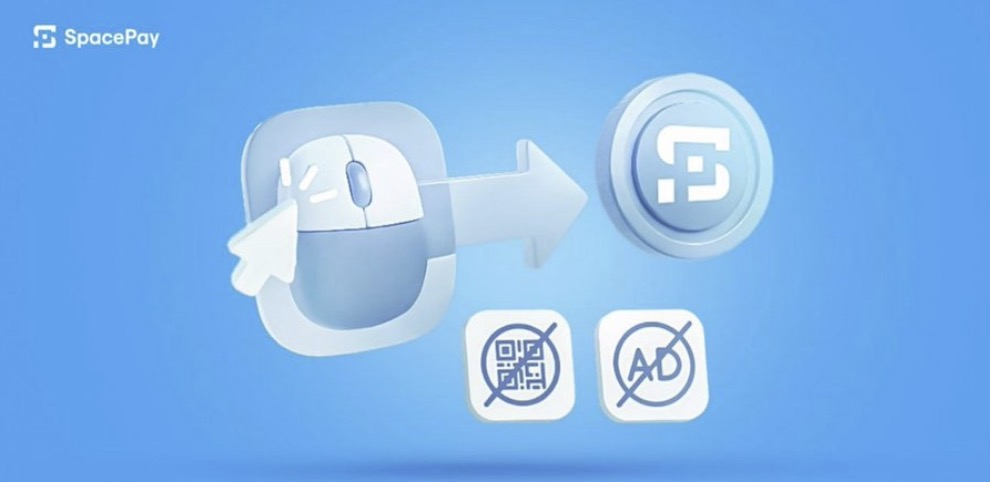
SpacePay is building a system that makes paying with crypto feel just as easy as using your debit card. The first big win is cost: merchants only pay a 0.5% fee on each sale. There are no hidden setup or integration costs, which makes it far cheaper than traditional payment networks.
Another advantage is how easily it works with point-of-sale terminals. Businesses don’t need new hardware; they just install an APK on their existing POS systems and start accepting crypto right away. This means no stress and no costly upgrades.
Transactions happen instantly, with no long waits. SpacePay also protects merchants by turning crypto into stable money. This way, shoppers can spend crypto easily, and merchants don’t worry about sudden price drops.
All of these factors make SpacePay smooth, practical, and safe. It acts as a bridge between digital assets and real payments, turning DeFi into something people can actually use.
Where ENA Fits In and How SpacePay Stands Tall
Ethena (ENA) takes a different approach. It focuses on stability through its synthetic dollar, USDe. It uses advanced strategies like delta hedging to maintain a 1:1 peg with the US dollar without relying on traditional banks.
This makes USDe a censorship-resistant digital dollar alternative within DeFi. The ENA token powers governance and provides incentives through staking and liquidity provision. Its design is valuable for users seeking stable returns and scalable DeFi applications.
While ENA has strengths in stability and yield strategies, SPY stands out by addressing a more immediate and practical need as it integrates crypto into real-world payments at scale.
SpacePay has shown real progress. It raised $750,000 in private funding, gaining strong support from early investors. A buy-back also proved the team is committed to long-term growth.
The team has launched their Minimum Viable Product, demonstrating that the technology works in the real world, not just in theory. They have also secured intellectual property rights to protect the platform’s ideas.
In 2022/23, SpacePay was named “New Payment Platform of the Year” by the CorporateLiveWire Global Awards, strengthening its credibility. These steps show clear momentum and position SPY as a payment-driven token in DeFi.
The ongoing SPY presale is more than just a token sale; it is getting attention. It reflects the rising demand for payment solutions that connect digital assets with traditional finance.
ENA focuses on stablecoins and yield, but SPY is building leadership in real-world payments supported by rewards, governance, and community incentives.
The next wave of crypto adoption will likely be driven by projects that make assets easy, practical, and trusted. SPY is already showing how that future can look.
Benefits of Holding SpacePay (SPY) Token
Owning SPY gives you more than just a token. You gain access to a system that rewards every level of participation. Active wallets receive monthly loyalty airdrops, making engagement consistent and worthwhile.
Holders also have voting rights, giving them a voice in shaping the platform through monthly proposals. On top of that, you get early access to new products and features before they launch to the public.
There is also a revenue-sharing model that adds another layer of value, as holders earn from transaction fees as adoption grows. The project also supports charities, making an impact beyond finance.
The platform also offers quarterly webinars to give the community direct access to the leadership team. All of these benefits connect holding SPY with being part of SpacePay’s growth.
How to Buy SPY
To get into SpacePay presale and potentially be a part of the future of payments, you will need a crypto wallet. MetaMask is one of the most popular options, but the SpacePay presale also accepts other wallets.
Next, add some funds to your wallet. You can use ETH, BNB, MATIC, AVAX, BASE, USDC, or USDT. If you don’t want to use crypto, you can also pay with a bank card. Once your wallet has funds, choose how many SPY tokens you want to buy.
Approve the swap, confirm the purchase, and wait for the blockchain to finish the process. Keep a little extra in your wallet for network fees, as those change depending on the chain. After that, you’re officially part of SpacePay.
JOIN THE SPACEPAY (SPY) PRESALE NOW