


 Some of the links on this site may be affiliate links. ICOBench may receive advertising commissions when users visit recommended platforms via our affiliate links, at no additional cost to you. All recommendations are based on a comprehensive review process.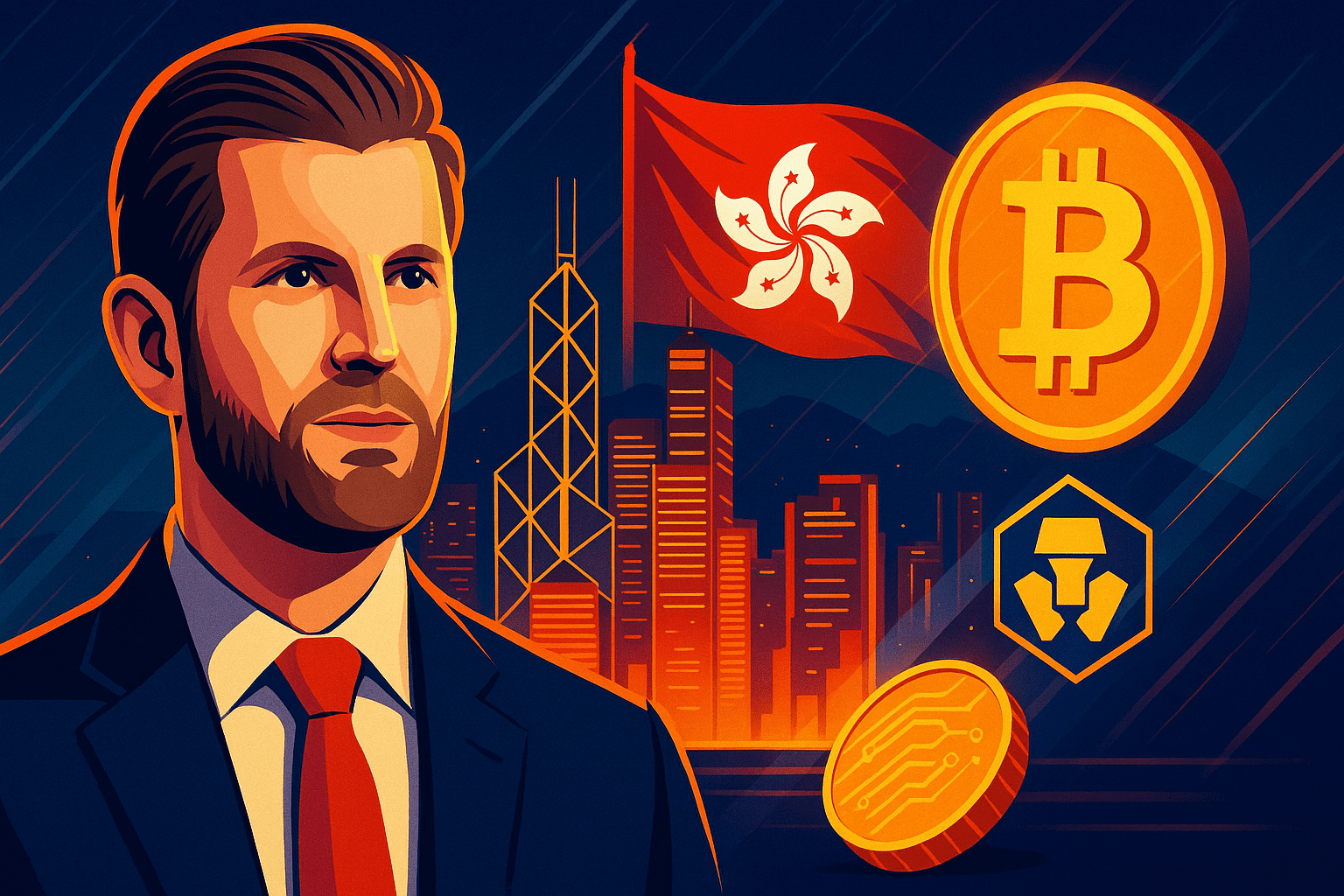
China’s decision to channel seized crypto assets through licensed crypto exchanges in Hong Kong is reshaping the digital asset market. By injecting regulated, “clean” liquidity into a fragmented industry, Beijing is positioning itself closer to the heart of global crypto trading.
This shift is part of Hong Kong’s Policy Statement 2.0 and the “LEAP” framework, designed to attract custodians, market makers, and tokenization projects. The goal: cement Hong Kong as a regional hub where liquidity depth and order books concentrate.
Behind the scenes, China’s so-called “national team”, state-backed entities with the ability to intervene massively, acts as a stabilizer and amplifier. These entities have already demonstrated their power in equity markets, notably in 2015 and 2024. Applied to crypto, their ability to absorb and redistribute assets could further enhance Beijing’s control over pricing dynamics.
JUST IN: 🇨🇳🇭🇰 lCMB International Securities, a unit of China Merchants Bank, launches 24/7 crypto trading in Hong Kong, supporting BTC, ETH, and USDT. pic.twitter.com/Ou0QbAYMwF
— Whale Insider (@WhaleInsider) August 18, 2025
Why the Trump Family Is Increasingly Exposed
Since 2025, the Trump family’s pivot into crypto has accelerated dramatically. Reports from financial media suggest that nearly 40% of the family’s $2.9 billion fortune is now tied to digital assets and related ventures.
This exposure is not limited to bitcoin. It includes branded tokens like TRUMP and MELANIA, the World Liberty Financial structure, and strategic use of publicly listed companies to build token treasuries.
One of the clearest examples came with Trump Media & Technology Group’s deal to hold reserves in CRO, the token of Crypto.com, making it the first major public “treasury” in CRO. Such moves deepen the family’s reliance on external liquidity flows, particularly those linked to Asia.
This web of projects amplifies risk. When the crypto market rallies, the wealth effect is dramatic. But when corrections occur, the interconnections between tokens, platforms, and financing structures multiply the downside shock. With Hong Kong centralizing regulated exchange and arbitrage, U.S. investors like the Trumps become more sensitive to decisions taken across the Pacific.
Geopolitical Leverage Beyond the Trump Family
Analysts stress that this dynamic extends far beyond economics. By controlling crypto liquidity via Hong Kong, Beijing has acquired a subtle but powerful geopolitical lever. Instead of direct diplomatic channels, influence can now flow through markets themselves, adjusting supply and demand where U.S. interests are most exposed.
The symbolism is hard to miss. Eric Trump is scheduled to speak at Bitcoin Asia 2025 in Hong Kong, underscoring the alignment between private ventures, political signaling, and a financial hub under Beijing’s influence.
At the same time, bold strategies such as the CRO treasury deal tie Trump-affiliated businesses even closer to the health of Asian markets. The deeper and more visible these positions become, the greater Beijing’s potential leverage in U.S.-China relations.
A Hong Kong official and a lawmaker have withdrawn from a Bitcoin Asia conference in the city following advice not to engage with Eric Trump, son of President Donald Trump, the South China Morning Post reported. https://t.co/FvgpBoyn77
— Bloomberg (@business) August 28, 2025
Implications for Global Crypto Markets
For investors, one conclusion is unavoidable: market depth is not neutral. When a single hub concentrates liquidity and can regulate its flow, price formation inevitably tilts in that direction.
This introduces a new variable, “Hong Kong risk”, that must be measured alongside bitcoin dominance, regulatory risk, and counterparty exposure. Political events could amplify volatility, from regulatory announcements in Hong Kong to the sale of seized assets or the treasury moves of high-profile companies.
Portfolios concentrated in thematic tokens or in publicly listed “token treasury” companies will feel the effects first.
Ultimately, Hong Kong’s crypto ecosystem sits at the intersection of market ambition and geopolitical influence, balancing between global attractiveness and Beijing’s strategic leverage.