


 Some of the links on this site may be affiliate links. ICOBench may receive advertising commissions when users visit recommended platforms via our affiliate links, at no additional cost to you. All recommendations are based on a comprehensive review process.

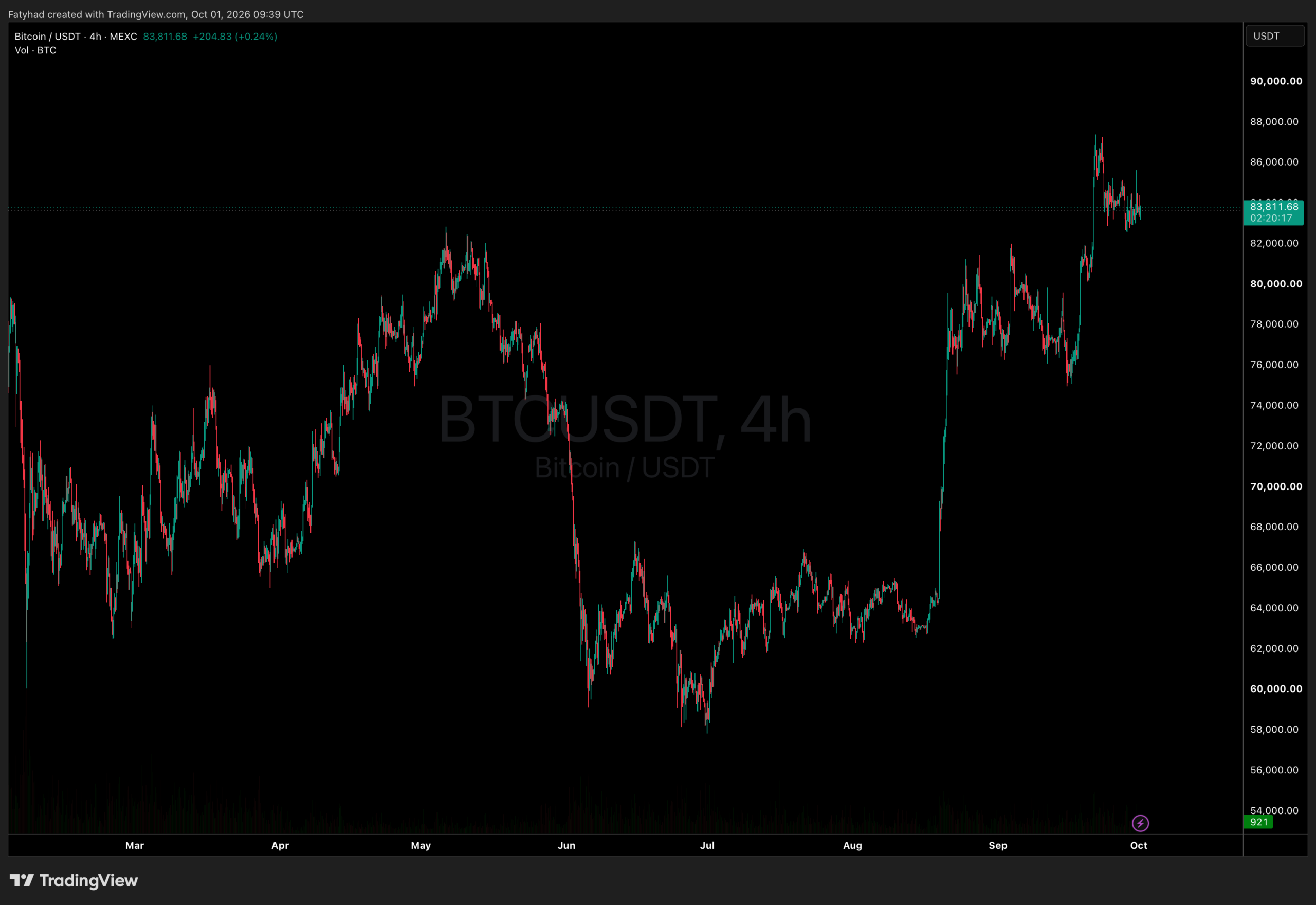
Bitcoin briefly climbed above $85,500 on Wednesday, September 30, after a cooler-than-expected August PCE inflation report. By Thursday’s Asian morning session on October 1 it traded at $83,524, up 0.6% on the day and well below that peak.
The move faded while Treasury yields stayed near their highest levels since 2002. August PCE prices rose 3.4% from a year earlier, with the core measure excluding food and energy up 3.0%. The reading eased immediate rate-hike concerns.
Trade Securely With 0% Trading Fees on BinanceUS bond yields are unstoppable, no matter what gets thrown at them.
Both the 20-year (5.685%) and 30-year (5.641%) just hit fresh 24-year highs.
Yields fell a bit after today's cooler PCE data. It didn't last.
Both are already back at new highs. pic.twitter.com/ulR2dIMF3K
— Bull Theory (@BullTheoryio) September 30, 2026
Why the Inflation Bounce Lost Momentum
The bond market did not follow. The 10-year Treasury yield traded around 5.28%, close to Wednesday’s peak, while the 30-year steadied near 5.62% after reaching its highest level since 2002.
That gap defines the setup. One softer inflation print can shift rate expectations without lowering long-term borrowing costs, and it is borrowing costs that determine whether a risk-asset rally has room to run.
For Bitcoin to sustain a move above $85,000, the 10-year yield needs a continued decline rather than a brief dip after a data release.
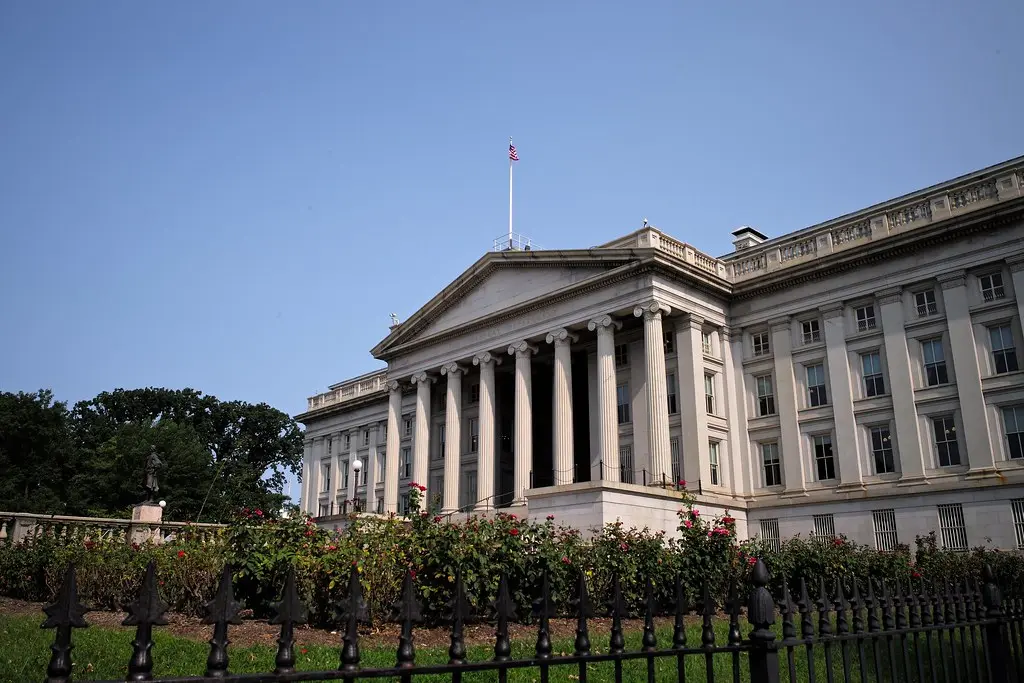
That is also why elevated Treasury yields and pressure on Bitcoin remain central to the current setup. PCE inflation is an important macro signal, but the price reaction shows that the bond market’s response can outweigh the initial relief in crypto.
Don’t Miss: ICOBench Experts Call the Next 1000x Crypto Coins for 2027
Bitcoin and Alts: Crypto and Risk Assets Show a Mixed Picture
HYPE led the majors, rising 2.94% to $88.88. Dogecoin added 0.75% to $0.0943, BNB gained 0.78% to $765.48, Ethereum rose 0.62% to $2,686, and ZEC advanced 0.31% to $1,409.
The laggards tell more of the story. XRP fell 0.87% to $1.48, TRX slipped 0.21% to $0.3373, and Solana declined 0.32% to $117.74.
Total crypto market capitalization sits at $2.86 trillion, up 0.31%, with a 24-hour volume of $919.98 billion, a 17.07% increase. Open interest fell 18.25% to $367.42 billion.
U.S.-listed Bitcoin ETFs recorded a net outflow of $222.6 million, extending the negative flows that began on September 30.
Outside of crypto, the dollar strengthened, and oil declined, helping pause the bond selloff. Nasdaq 100 futures rose 0.8% and S&P 500 futures gained 0.4%.
Inflation releases can trigger sharp Bitcoin volatility without settling the market’s broader direction, as Bitcoin’s reactions to inflation data illustrate.
The Yield Test for Bitcoin’s Next Move
Eight straight days in Greed on the Bitcoin fear and greed index, sitting at 71.
Remember, the typical Greed visit lasts 3 days. Eight is already well past that, but the record is 42. pic.twitter.com/bkSVC6eKUD
— MindPillar (@MindPillarTrade) September 30, 2026
The immediate market signal is conditional: Bitcoin recovered briefly above $85,000, but did not hold the move as the 10-year yield remained near 5.3%. A sustained drop in long-term yields would give a subsequent rally more room to persist; without that confirmation, the inflation-driven pop remains vulnerable to reversal.
Sentiment has not broken down. The Fear and Greed Index reads 67, in greed territory, and the Altcoin Season Index sits at 58.
But positioning is thinning. Open interest down 18% and ETF outflows of $222.6 million both point to reduced exposure rather than accumulation.
For Bitcoin traders, the next assessment is therefore not limited to whether inflation cooled. Watch Treasury yields, the Federal Reserve outlook, and price action: Bitcoin is above $83,700 but below Wednesday’s peak.
Bitcoin support levels and macro conditions are closely connected when rate expectations and bond yields continue to shape risk appetite.
Don’t Miss: ETF Experts Predict The Next Crypto to Explode in 2026