

 Some of the links on this site may be affiliate links. ICOBench may receive advertising commissions when users visit recommended platforms via our affiliate links, at no additional cost to you. All recommendations are based on a comprehensive review process.
In Trump crypto news today, the President has disclosed a personal equity stake in MARA Holdings (Nasdaq: MARA), the largest publicly traded bitcoin mining company in the United States by hash rate capacity, triggering a single-session surge of approximately +30% in MARA shares.
It also led to sympathy rallies of 15–20% across secondary miners, including Riot Platforms and CleanSpark, while the Valkyrie Bitcoin Miners ETF (WGMI) recorded its highest daily volume of the year.
U.S. President Donald Trump Buys Stake in #Bitcoin Mining Firm MARA Holdings, Ethics Filing Shows.
The filings also show broader trading activity over the same period, with total trades estimated between $220 million and $750 million. These trades included major U.S. companies… pic.twitter.com/Q8AG6FAynZ
— TheCryptoBasic (@thecryptobasic) May 15, 2026
The disclosure arrives against a difficult fundamental backdrop: Q1 2026 revenue of $174.61M versus $213.88M in the prior-year period, a net loss of $1.26 billion driven largely by a $1Bn negative fair-value adjustment on bitcoin holdings, and analyst consensus placing profitability at least 3 years out.
The open question the market now has to answer is whether a sitting US president’s direct financial exposure to Bitcoin mining infrastructure functions as a durable policy signal, one that reprices the regulatory risk premium across the entire mining sector, or whether it is a sentiment catalyst that fades once execution risk and bitcoin price volatility reassert themselves as the dominant variables.

The Policy Trade Mechanism: What the Trump Crypto MARA Stake Actually Signals
The policy trade concept in equity markets involves investments influenced by the expectation that politically connected actors will avoid actions harming their financial interests. This applies to sectors like defense and energy, but is newly relevant in the Bitcoin mining equity market.
In the US, bitcoin mining is sensitive to three main policy factors: energy regulation, tax treatment of infrastructure, and federal agencies’ approach to crypto activities.
The involvement of MARA Holdings increases the perceived likelihood of favorable regulatory outcomes, making punitive energy taxes or mining bans less probable under the current administration.
This situation is not about corruption but about aligning incentives, as seen when MARA’s peers, such as Riot Platforms and Bitfarms, rallied in response to news of MARA’s increased visibility.
MARA has shifted from pure bitcoin mining to an energy-focused digital infrastructure platform, highlighted by its $1.5Bn acquisition of Long Ridge Energy & Power, which positions it at the crossroads of bitcoin mining and AI data centers, both of which are impacted by federal energy policies.
DISCOVER: Clarity Act Senate Markup: What the Institutional Crypto Regulatory Shift Actually Means
Why Political Alignment Now Functions as a Capital Flow Signal for Mining Equity
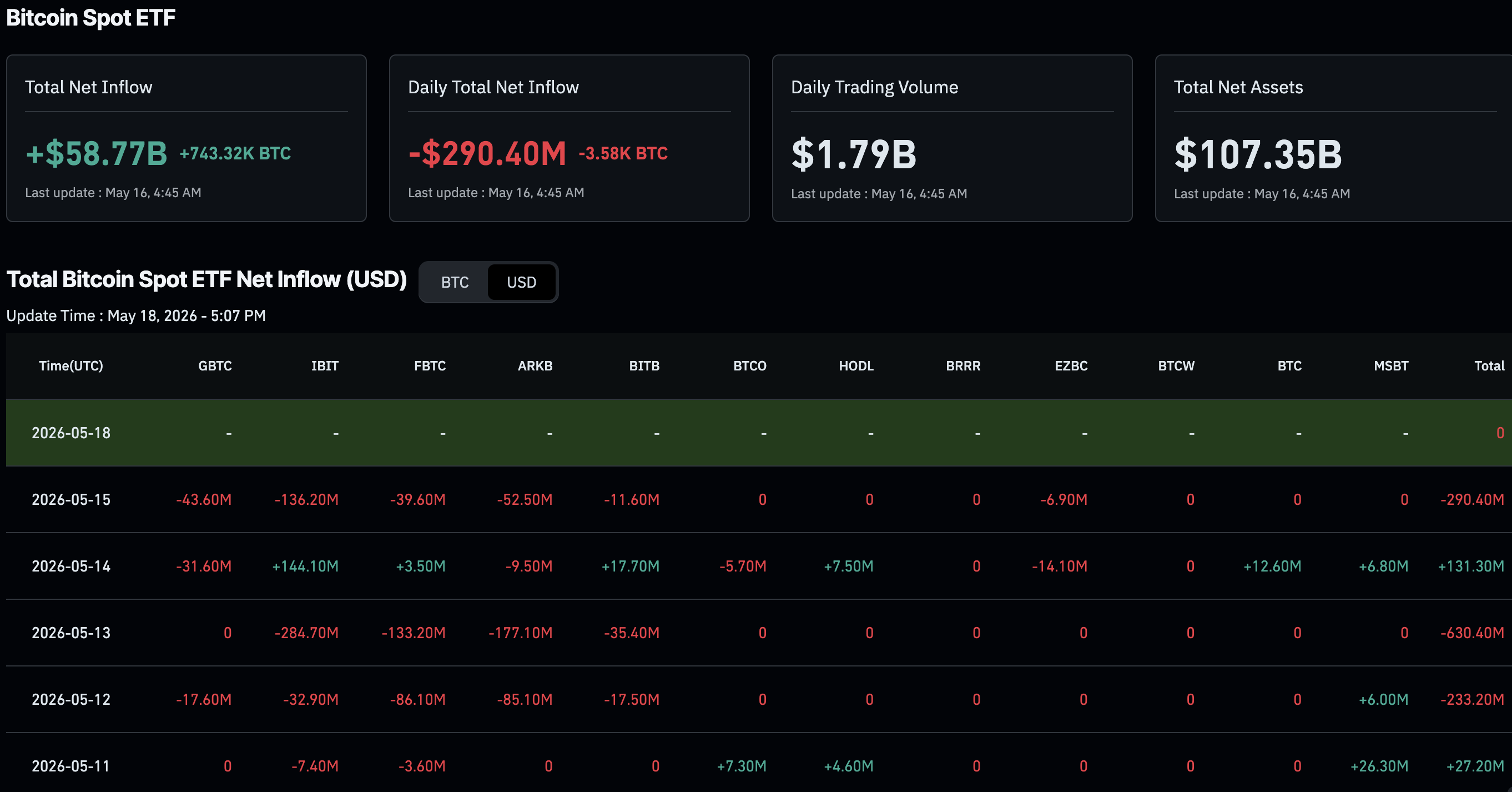
The institutional crypto landscape is shifting, with political and regulatory legitimacy increasingly determining capital flows over mere technical adoption.
BlackRock’s iShares Bitcoin Trust, surpassing Grayscale’s GBTC, highlights this change, suggesting that institutional investors will engage with bitcoin-linked instruments once credible entities meet compliance standards.
Trump’s MARA stake signals a shift in perception, allowing mining equities to be viewed as infrastructure investments rather than speculative assets.
This distinction affects capital flows, as mining equities have been seen as high-beta bitcoin proxies, laden with execution, dilution, and regulatory risks.
By reclassifying Bitcoin mining as US digital infrastructure, the potential investor base broadens to include infrastructure-focused allocators.
Following Trump’s announcement, Bloomberg data showed a surge in “smart money” sentiment and increased inflows into mining equities, as retail investors mirrored institutional moves.