




 Some of the links on this site may be affiliate links. ICOBench may receive advertising commissions when users visit recommended platforms via our affiliate links, at no additional cost to you. All recommendations are based on a comprehensive review process.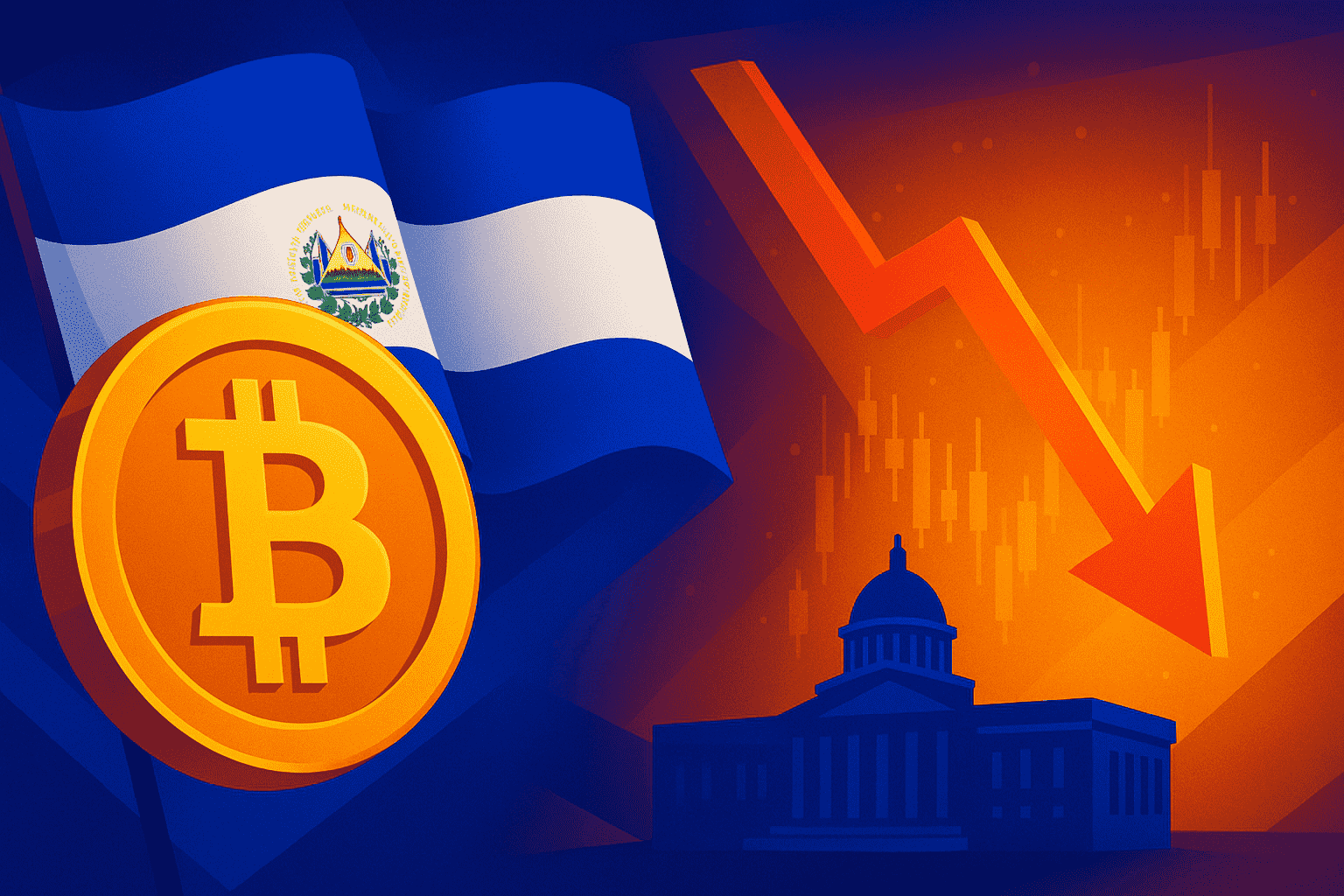
On September 7, El Salvador marked the fourth anniversary of its historic decision to adopt Bitcoin (BTC) as legal tender. Once hailed as a bold experiment in financial innovation, the policy has now been significantly scaled back under pressure from both economic realities and the International Monetary Fund (IMF).
🇸🇻 El Salvador’s Bitcoin experiment, 4 years on:
👉 6,313 BTC reserve ($702M)
👉 New BTC banking laws, 80k officials certified
👉 BUT: Jan 2025 IMF deal repealed legal tender law + froze BTC buys
👉 Dollar still dominates daily lifeMore: https://t.co/q4y1AaxedR pic.twitter.com/JwkkReaegf
— Fintegra News (@fintegra_news) September 8, 2025
From Global First to Policy Retreat
In September 2021, President Nayib Bukele led El Salvador to become the first country in the world to recognize Bitcoin as legal tender. The initiative aimed to boost financial inclusion, reduce remittance fees, and attract foreign investment.
The government launched the official wallet app, Chivo, offering citizens $30 worth of free BTC upon signup. Nearly half the population downloaded the app initially, but usage declined rapidly by early 2022.
In January 2025, El Salvador formally reduced Bitcoin’s legal tender status as part of a $1.4 billion IMF support agreement. Bitcoin was downgraded from a mandatory currency to an optional, private-use payment method. The revised law also made clear that taxes can no longer be paid in Bitcoin.
IMF Pressure and Domestic Reality
The IMF had repeatedly warned that Bitcoin’s volatility could threaten El Salvador’s dollarized economy. Technical challenges, low merchant adoption, and security concerns also hindered its success.
Despite a legal mandate, only around 20% of businesses ever accepted Bitcoin. Of those, 88% immediately converted BTC to U.S. dollars. On Chivo, just 5% of transactions were made in Bitcoin, while most citizens preferred to hold assets in dollars.
Government Still Holding Bitcoin Reserves
El Salvador continues to maintain a strategic reserve of Bitcoin. After additional purchases in March 2025, the country’s holdings reached 6,102 BTC.
The government also remains committed to cryptocurrency innovation. In January 2025, it hosted PLANB Forum 2025, one of Central America’s largest crypto conferences, signaling ongoing interest in building a tech-driven economy despite scaling back legal tender ambitions. In August 2025, El Salvador’s Legislative Assembly has passed a new law enabling licensed investment banks to hold Bitcoin (BTC) on their balance sheets and provide cryptocurrency-related services to professional investors.
While the legal tender experiment has produced limited results, El Salvador’s pivot shows a balancing act: satisfying international creditors while continuing to position itself as a hub for digital asset innovation.