





 Some of the links on this site may be affiliate links. ICOBench may receive advertising commissions when users visit recommended platforms via our affiliate links, at no additional cost to you. All recommendations are based on a comprehensive review process.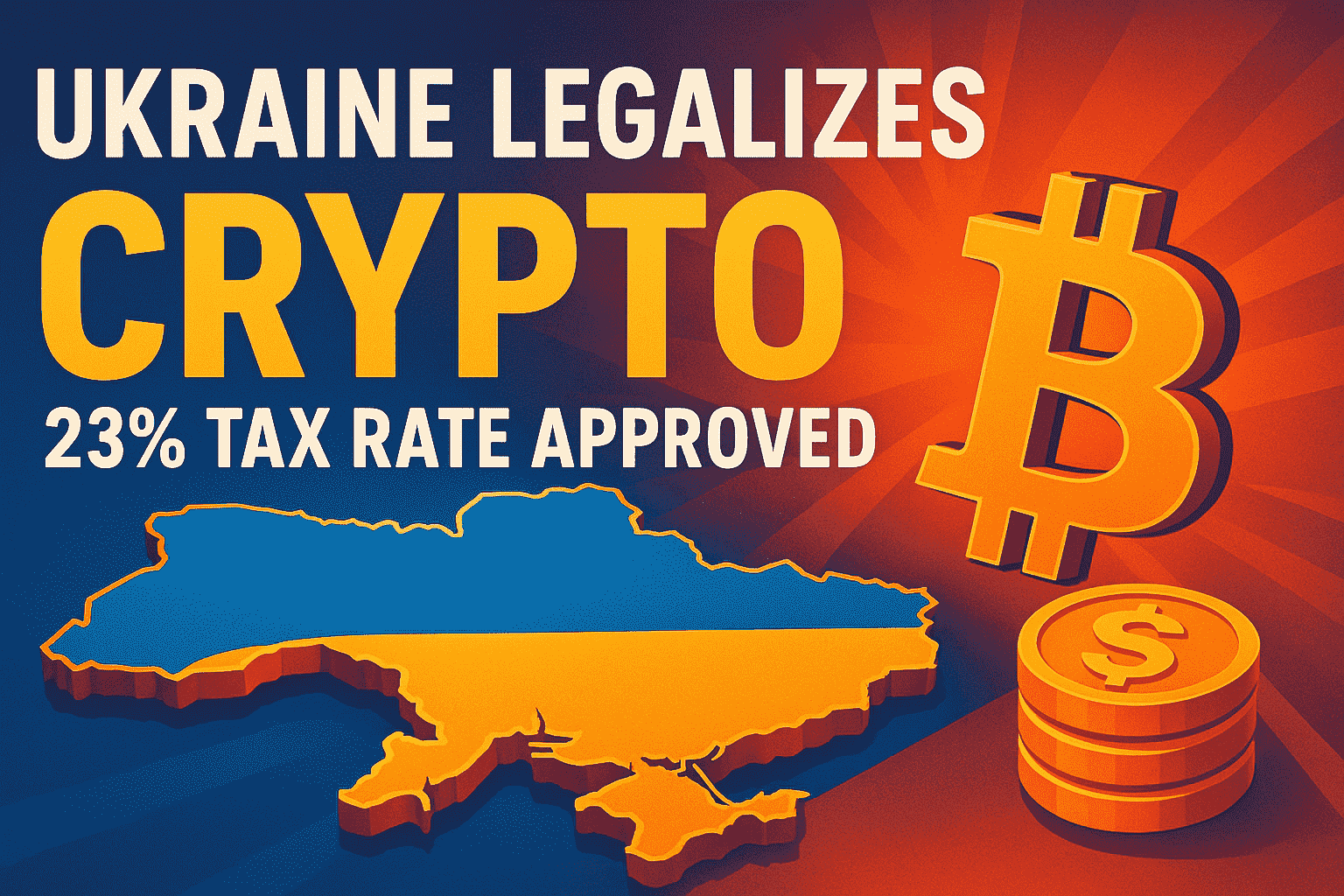
Ukraine’s Parliament (Verkhovna Rada) has taken a landmark step toward legalizing cryptocurrencies and setting clear tax rules. In a first reading, lawmakers approved a bill that defines digital assets as taxable property, aligning the country with European standards while securing much-needed revenue.
Ukraine has passed crypto legalization and taxation in its first reading with 246 lawmakers in favor.
👉 18% income tax + 5% military tax on profits
👉 5% preferential tax on fiat conversions in year one
👉 Crypto-to-crypto and small sales remain tax-exempt
A major step for one… pic.twitter.com/yMKMc58vAm— THE BLOCKOPEDIA (@theblockopedia_) September 4, 2025
Key Details of the Law
- Taxation framework: Profits from crypto will be taxed at 23%, split between 18% income tax and a 5% military contribution.
- Transitional period: For the first year, conversions of crypto to fiat will face a reduced 5% tax, designed to encourage compliance and voluntary disclosure.
- Status: Cryptocurrencies will not become legal tender. The hryvnia remains Ukraine’s only official currency.
- Classification: Crypto assets will fall into three groups: asset-backed tokens, e-money tokens tied to fiat, and other virtual assets.
- Implementation: The rules are set to come into effect on January 1, 2026.
Why Now?
The government estimates the framework could generate 14–15 billion hryvnias annually once in force. The approach mirrors the EU’s MiCA regulation, ensuring compatibility with European standards.
Before Russia’s invasion, around 16% of Ukrainians already owned crypto, making the regulation not only political and fiscal, but also practical. Kyiv aims to bring existing usage into the tax net while strengthening investor confidence.
What It Means for Users and Companies
- For individuals: Net gains (sales minus purchase price) must be reported annually, with proof. The first-year 5% rate offers an affordable chance to regularize holdings.
- For businesses: Service providers will need licensing, annual reporting, and full KYC/AML compliance, signaling stronger oversight and market transparency.
- For the market: By clarifying tax rules even in wartime, Ukraine positions itself as a forward-looking hub for crypto adoption and capital inflows.
The second reading may refine details, but the direction is clear: legalization, 23% standard taxation, and a temporary 5% entry point in year one. Kyiv is betting on regulation to both attract investment and boost fiscal stability.