


 Some of the links on this site may be affiliate links. ICOBench may receive advertising commissions when users visit recommended platforms via our affiliate links, at no additional cost to you. All recommendations are based on a comprehensive review process.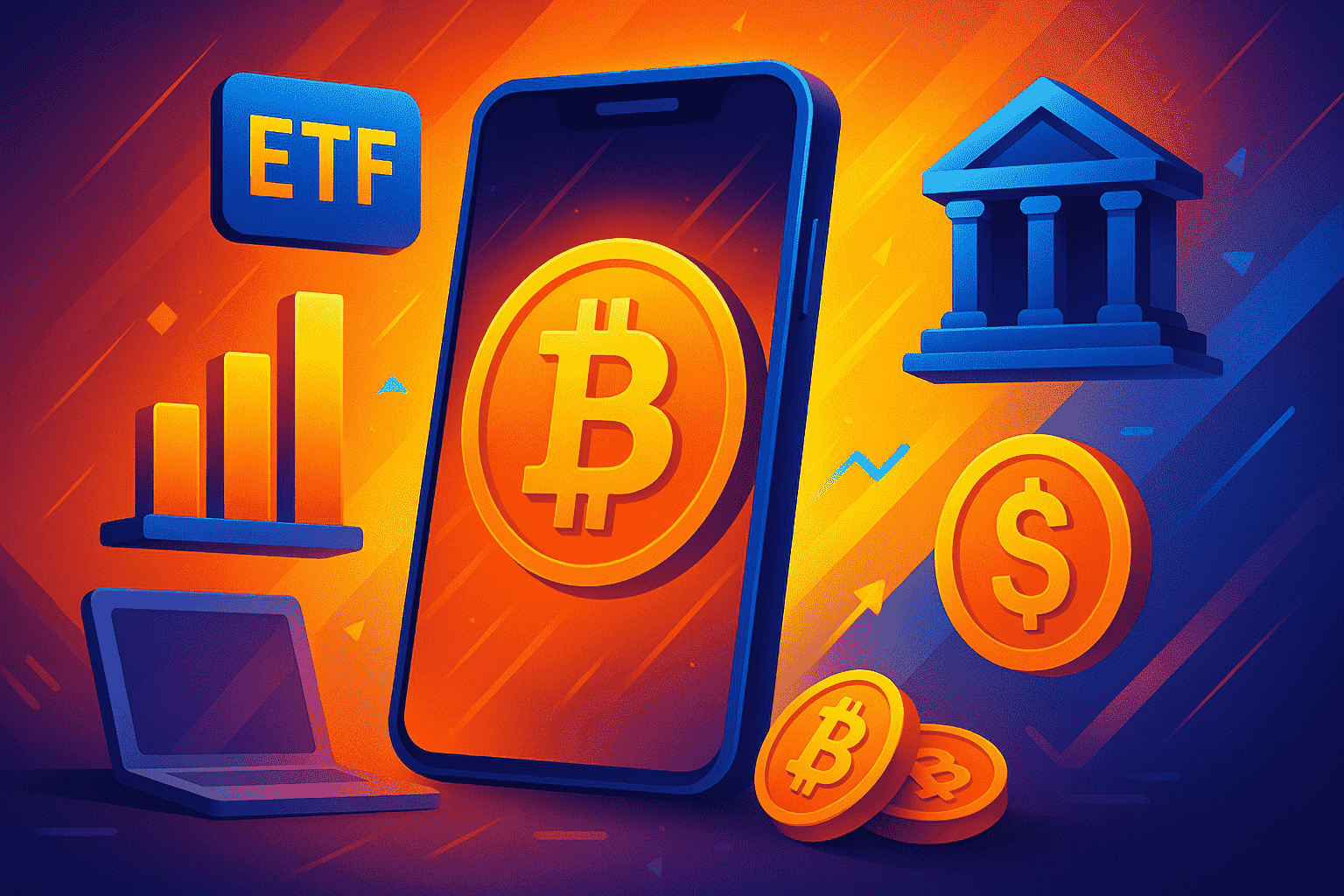
Paul Atkins has set out to simplify access to financial products in the United States. Through his ambitious “Crypto Project,” the goal is to create so-called “super apps” that would allow investors to access a wide range of financial services without requiring separate state-by-state licenses.
A Single App for All Financial Needs?
The vision behind these super apps is to create a one-stop hub for investors. Within a single platform, ETF issuers, banks, exchanges, and financial institutions could offer products ranging from cryptocurrency trading and staking to crypto-focused ETFs, all managed under a single account.
This approach comes as traditional financial assets and infrastructures increasingly migrate to blockchain technology, raising the need for unified platforms that can preserve market integrity while expanding accessibility.
What is a Super-App? SEC Chairman Paul Atkins explains the idea and how it would benefit investors. Check it out! pic.twitter.com/iqgVgp2pNv
— U.S. Securities and Exchange Commission (@SECGov) August 25, 2025
Who Stands to Benefit?
Atkins, who chairs the U.S. Securities and Exchange Commission (SEC), believes these super apps could democratize access to financial markets and open the door for average Americans to participate in decentralized finance (DeFi). Potential future use cases could even include crypto-backed mortgages or allocating retirement savings (401k) into digital assets.
The biggest winners of such a shift would likely be crypto exchanges and DeFi protocols, while traditional banks and financial institutions may see their dominance challenged.
SEC Opens the Door to DeFi
By signaling openness to such innovation, the SEC could pave the way for greater integration of crypto products into the U.S. financial system. However, centralizing such services also introduces new challenges.
Fraud prevention, investor protections, and asset custody remain major concerns. Questions linger over whether investors will retain direct access to underlying assets, and whether centralizing so many services in a single app could expose users to higher risks of hacks or misuse of funds.
While removing the burden of navigating multiple licenses may speed innovation, it could also hand greater power to the institutions behind these platforms. Ultimately, investors will need to carefully evaluate which super app operators they can trust.