


 Some of the links on this site may be affiliate links. ICOBench may receive advertising commissions when users visit recommended platforms via our affiliate links, at no additional cost to you. All recommendations are based on a comprehensive review process.

The UK’s position on over 61,000 seized Bitcoin was reinforced when the High Court in London ruled on October 13, 2026, that Chinese, not English, law should apply to claims by victims of fraud linked to Zhimin Qian.
At the time of the decision, Bitcoin was priced at £62,300 per coin, making the assets worth about £3.8Bn. However, this ruling is preliminary and does not transfer the Bitcoin to the UK Treasury, nor does it resolve ownership or final distribution.
🇬🇧 JUST IN: UK Could Keep 61,000 Seized Bitcoin Worth £3.8B
The UK is more likely to retain 61,000 BTC seized in a major case after London’s High Court ruled that Chinese fraud victims cannot use English law to claim the assets, according to the Financial Times.
⚖️ The ruling… pic.twitter.com/Z5Kd0nr0fD
— Bitcoin World News (@BitcoinWorldN) October 13, 2026
The case concerns Bitcoin seized by the Metropolitan Police during an investigation into Qian, a Chinese national who pleaded guilty to orchestrating fraud against thousands of victims in China between 2014 and 2017 and was jailed at Southwark Crown Court in 2025.
The victims are pursuing claims within High Court proceedings under section 281 of the Proceeds of Crime Act 2002, seeking to establish an interest in the assets.
Which Legal System is the Current Front Runner, UK or China?
If the UK wins and obtains a final recovery order, the bitcoin would come under state control through the civil recovery process.
The appointed recovery trustee would manage the assets, and the bitcoin could be sold, with proceeds going to the Treasury.
Considering how bad the… pic.twitter.com/SCrgFbzcMK
— James Van Straten (@btcjvs) October 13, 2026
The ruling decides which legal system should guide the claims at this stage, not who ultimately receives the cryptocurrency.
English law had been viewed as more favorable to victims because it could allow them to argue that the Bitcoin itself belonged to them, rather than leaving them to claim as creditors.
Mr Justice Mark Turner accepted the Crown Prosecution Service’s position that Chinese law should apply, given that the alleged fraud, payments, representations, contractual relationships and immediate economic consequences were rooted in China.
The CPS has said a further hearing will determine whether any victims can establish an interest in the Bitcoin. Fieldfisher, which represents claimants, is pursuing an appeal.
That distinction matters for victim compensation: if claimants cannot establish rights in the assets, their route to recovering losses may differ from a direct claim to the Bitcoin.
The ruling does not send the case to a Chinese court. Unless an appeal overturns it, the High Court in London will hear expert evidence on Chinese law before deciding the claims.
Don’t Miss: ICOBench Experts Call the Next 1000x Crypto Coins for 2027
Bitcoin Price Sets the Financial Stakes
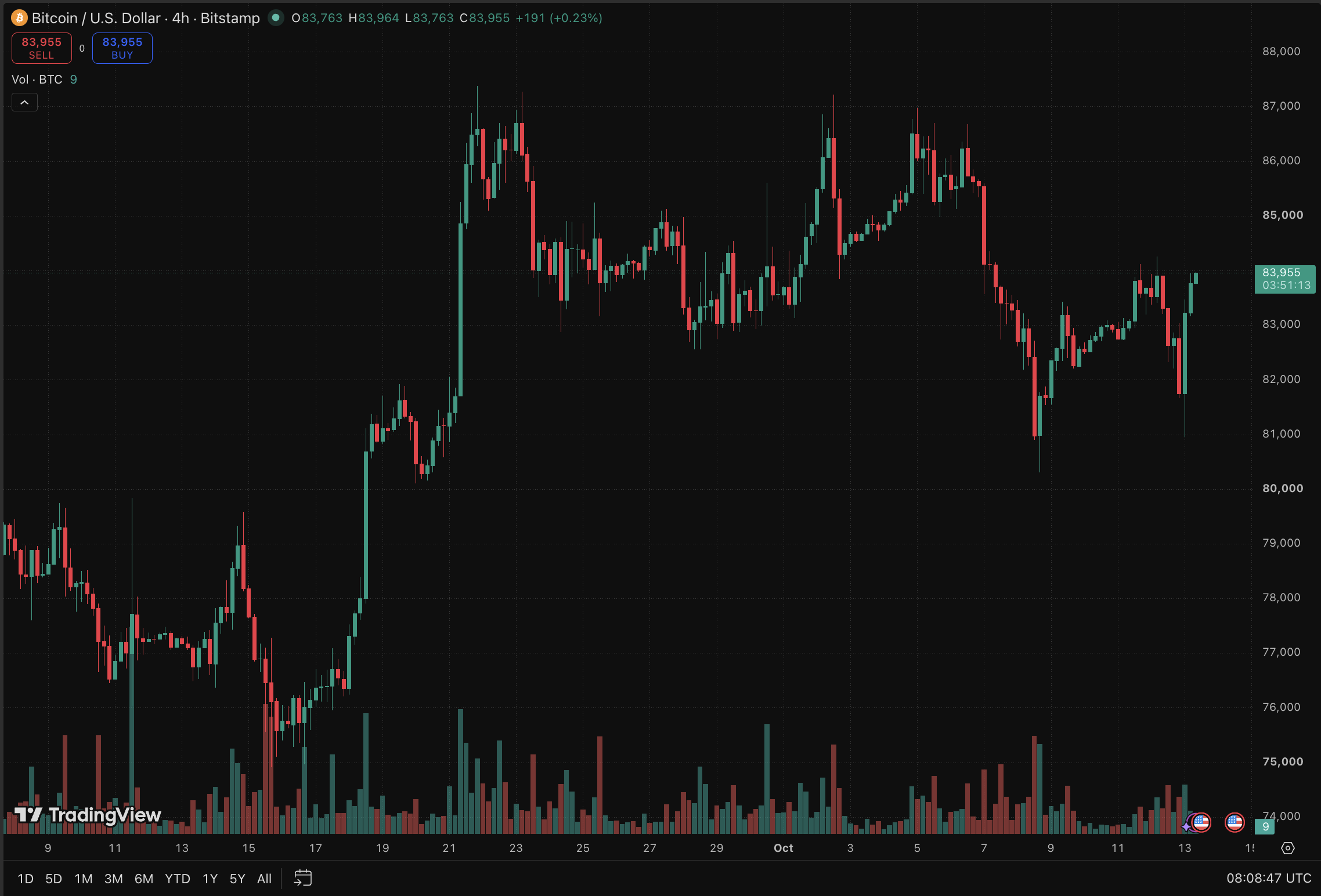
The roughly £3.8Bn figure is a rough market valuation, not a court-determined recovery amount. It reflects the current price of £62,300 per Bitcoin and can rise or fall with the market; neither the ruling nor the valuation establishes that the government has realized a gain.
That volatility makes the legal question more consequential than a custody dispute alone. A seizure can place assets under state control while ownership claims and civil recovery remain unresolved, leaving open who benefits from any appreciation.
The legal challenges involving government control of seized crypto assets show why a recovery process should not be confused with an automatic transfer of beneficial ownership.
Here, the Bitcoin seizure and the choice-of-law dispute sit within a statutory civil process. The High Court has not made a final cryptoasset forfeiture order, and the current decision does not establish that the Treasury owns the coins. Instead, it narrows the legal route claimants can use to show they have a proprietary interest.
Don’t Miss Out on Binance’s Latest Trading PairsAppeal and Chinese-Law Evidence Are Next Up
The next stages are procedural but decisive: Fieldfisher is pursuing an appeal, and, unless the judgment is overturned, expert evidence on Chinese law will inform the High Court’s assessment of the claims.
The court must still consider whether any individual victims can establish an interest in the Bitcoin, while the UK’s prospects of retaining some or much of its value remain conditional.
The official High Court judgment in the DPP’s case against Zhimin Qian records the limited issue decided at this stage.
The available account sets no timetable for the appeal or a further hearing, leaving the timing of any final decision and Bitcoin’s eventual destination unsettled.