


 Some of the links on this site may be affiliate links. ICOBench may receive advertising commissions when users visit recommended platforms via our affiliate links, at no additional cost to you. All recommendations are based on a comprehensive review process.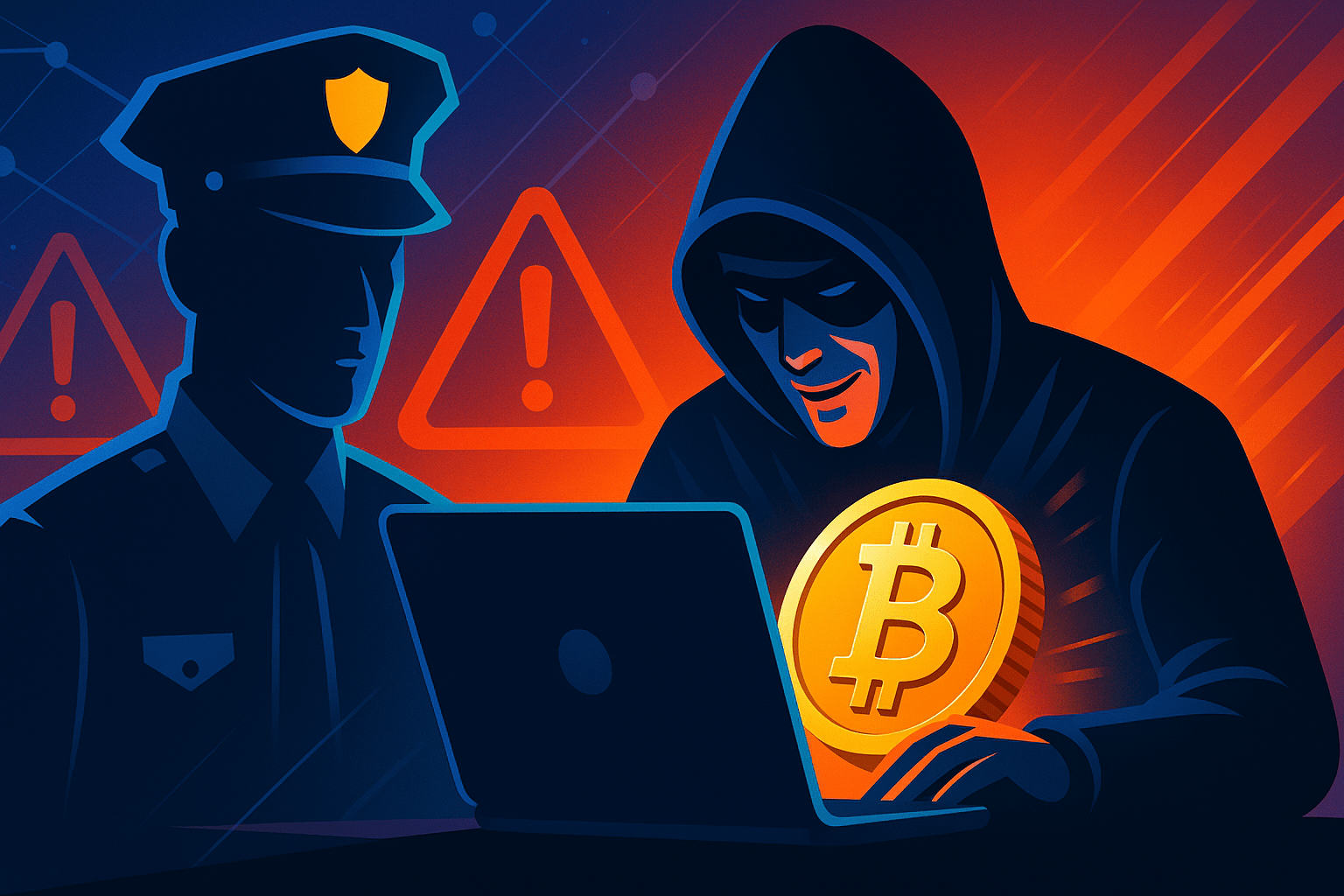
In Wales, a Bitcoin holder was tricked out of $2.8 million after a scammer impersonated a police officer. The elaborate fraud highlights the growing wave of crypto-targeted social engineering scams, which remain one of the most devastating threats to cybersecurity in the digital asset space.
According to the official police statement, the victim received a phone call from someone claiming to be an officer of the North Wales Police. The caller said an individual had been arrested carrying copies of the victim’s personal identification. To protect against identity theft and safeguard their crypto holdings, the victim was urged to follow a link sent by the supposed authorities.
The link led to a fraudulent website designed to look official, which requested the victim’s seed phrase and wallet details. Once entered, the attacker gained full access to the victim’s Bitcoin wallet and siphoned off millions.
Scammer impersonates UK police officer to steal $2.8 million in bitcoin via social engineering https://t.co/bxZiAiU2N6
— The Block (@TheBlock__) August 21, 2025
Panic and Trust Manipulation at the Core
Post-incident analysis shows the scam followed classic social engineering tactics: inducing panic, exploiting authority, and pressuring the victim into immediate action. While such schemes may appear simplistic in hindsight, they are deliberately crafted to cloud judgment and override rational decision-making.
Authorities believe the scammers specifically targeted the victim because of their known Bitcoin holdings, raising suspicions that prior data leaks or breaches provided sensitive identifying information.
A Growing Threat in 2025
This case adds to a troubling trend. According to blockchain intelligence firm TRM Labs, more than $2 billion in crypto has already been stolen in the first half of 2025 through scams and hacks. Increasingly, large-scale Bitcoin holders face not only digital theft but also physical threats such as kidnappings and extortion attempts.
Police in North Wales have urged crypto investors to adopt stricter personal security practices, including never sharing seed phrases, verifying official communications, and being cautious of unsolicited requests, even those appearing to come from law enforcement.
For many, the lesson is clear: in the crypto era, vigilance against both cyber and real-world threats is no longer optional and so is having a safe and secure crypto wallet.