


 Some of the links on this site may be affiliate links. ICOBench may receive advertising commissions when users visit recommended platforms via our affiliate links, at no additional cost to you. All recommendations are based on a comprehensive review process.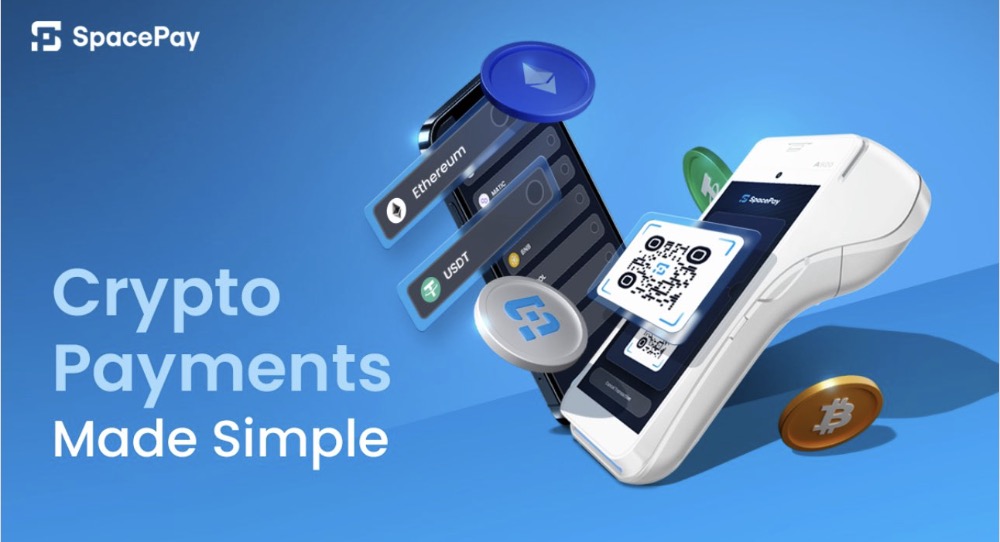
got thousands in Bitcoin sitting in your wallet, but try using it to pay for lunch and watch the cashier’s eyes glaze over.
SpacePay from London figured out how to fix this mess. They let any business accept crypto through the card readers they already own. No new equipment, no complicated training, and merchants get regular money instantly so they don’t have to stress about prices bouncing around. The system works with 325+ wallets and only takes a 0.5% cut from each sale.
Here’s what makes this interesting – they’ve pulled in over $1.3 million during their presale. That tells you something about whether people think this could actually work.
Most crypto projects launch with big promises and zero substance. SpacePay went the other direction and built working software first. Their approach makes sense because they’re tackling a real problem instead of creating another token that just sits there waiting for the price to pump.
SpacePay Works as a Top Crypto to Buy Now Because It Does Something Useful
New tokens pop up constantly. Check your social feed and you’ll see another three launched since breakfast. The vast majority disappear faster than they showed up because nobody needs what they’re selling.
SpacePay is different. About 400 million people own crypto but can barely spend it anywhere useful. Walk into random stores and ask if they take Bitcoin. Most will look at you funny and point to the card reader. Business owners want to accept digital payments, but the technical side scares them off. So does watching crypto prices jump up and down like a ping pong ball.
SpacePay sits between these two groups and makes things work for both. Customers pay with whatever wallet app they like. Shop owners get stable cash right away and never touch actual cryptocurrency. All the blockchain complexity happens in the background where nobody has to think about it.
The smart part is that SpacePay works with Android terminals that millions of businesses already have sitting on their counters. Other payment systems want you to throw everything out and start fresh with expensive new gear. SpacePay just needs a quick software update. This removes the main excuse businesses give for avoiding crypto payments.
Merchants Save Real Money and Get Paid Faster
Running a business means dealing with costs that never stop coming. Payment processors keep raising their fees, and there’s not much you can do about it. Credit card companies typically grab 2-4% of every sale, which really adds up when you’re processing thousands of transactions monthly.
SpacePay takes 0.5%. That’s it. No surprise charges hiding in the fine print. A busy restaurant doing $25,000 monthly would save anywhere from $375 to $875 compared to traditional processors. For small businesses operating on thin margins, that difference matters.
Getting paid immediately helps too. Regular payment companies love holding your money for days before releasing it. You make sales on Tuesday, but the cash doesn’t show up until Friday. SpacePay settles everything within seconds. The money hits your account basically as soon as the customer pays.
Then there’s the volatility thing. Business owners hate the idea of accepting Bitcoin at lunch and finding out it’s worth 20% less by dinner. SpacePay converts crypto to regular currency so fast that price swings don’t matter. Someone pays with Ethereum, you get dollars instantly at the locked-in rate. Bitcoin could crash ten minutes later and you wouldn’t care because you already got paid.
Users Get Actual Benefits From Holding $SPY Tokens
The $SPY token does stuff beyond just hoping the price goes up. Holders get voting power on platform decisions. The community actually has a say in what gets built next instead of everything happening behind closed doors.
Monthly rewards go to active users. Revenue sharing kicks in as SpacePay processes more payments. Token holders get a slice of those fees, which ties returns to real platform growth instead of pure speculation. As more shops start accepting crypto through SpacePay, everyone holding tokens benefits.
Early feature access gives supporters first crack at new tools before public launch. Quarterly video calls let anyone ask the team direct questions. Most crypto founders take investment money and disappear. SpacePay keeps showing up to explain what they’re doing and why.
Looking at how they split up the tokens shows decent planning. Founders kept just 5% for themselves. That’s way less greedy than most launches. Public buyers get 20%, user rewards take 17%, and everything else funds development, partnerships, and getting the word out. This spread suggests they’re thinking long-term instead of planning a quick exit.
Getting Into the $SPY Presale Takes Minutes
The presale sells $SPY tokens for $0.003181 each right now. Prices bump up with each new stage, so earlier participants pay less.
Head over to SpacePay’s website and connect your MetaMask wallet. They accept Ethereum, Binance Coin, USDT, USDC, or just use your debit card if you don’t have crypto. Choose your payment method, enter your amount, and confirm. The system calculates your tokens automatically at $0.003181 each.
JOIN THE SPACEPAY ($SPY) PRESALE NOW