


 Some of the links on this site may be affiliate links. ICOBench may receive advertising commissions when users visit recommended platforms via our affiliate links, at no additional cost to you. All recommendations are based on a comprehensive review process.
Every new crypto project claims it’ll change everything, but maybe the smart play is fixing what’s already broken.
New tokens launch practically every other day. Some promise to be the next Bitcoin. Others claim they’ll replace entire financial systems. SpacePay ($SPY) does something different. It solves a problem that’s been sitting there for years: how do regular businesses actually accept crypto without going through a nightmare setup process?
The London startup has pulled in over $1.3M during its presale. That’s not hype money. That’s people who looked at the model and saw something that makes sense.
Why Crypto Investors Care About Boring Payment Stuff
Payment infrastructure doesn’t get people excited. DeFi protocols and NFT drops do. But here’s the thing: the projects that actually succeed long-term tend to solve real problems for real people. SpacePay falls into that camp.
Think about it from a merchant’s perspective. They hear about crypto customers and want that business. But then they look at what it takes to accept payments. New hardware costs money. Learning new systems takes time. And crypto prices? They can drop 15% before lunch. Most business owners take one look at that mess and decide it’s not worth it.
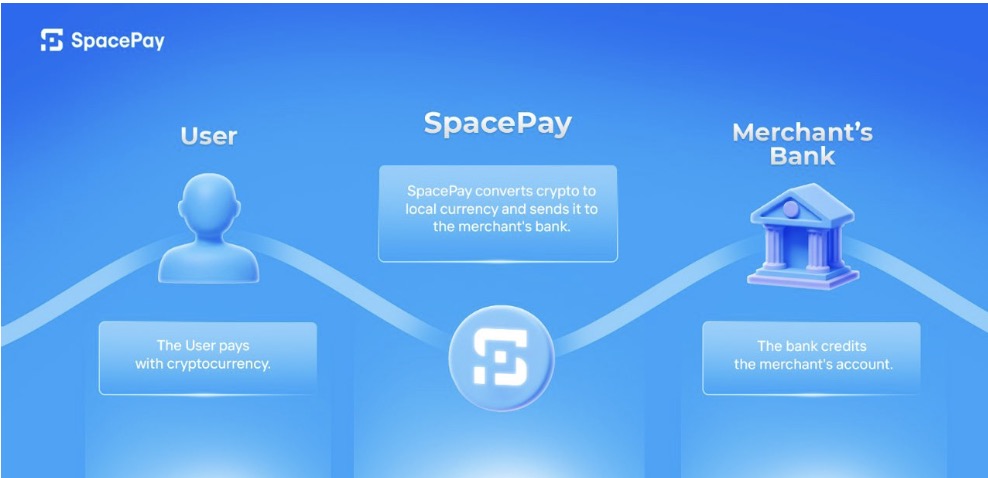
SpacePay cuts through all of that. Merchants keep their existing card terminals. They just installed a software update. Suddenly, those same machines can handle payments from over 325 different crypto wallets. Customers can pay with ETH, BNB, MATIC, USDT – whatever they’re holding. The merchant gets fiat currency right away. No waiting. No price risk. No drama.
The Underpriced Altcoin That Actually Does Something
The $SPY token sits at $0.003181 right now during presale. That price puts it within reach for pretty much anyone looking to get involved.
What separates $SPY from other presale tokens? It has actual utility built in from day one. Holders get to vote on how the platform develops. They receive a cut of the revenue SpacePay generates. There are monthly airdrops for active users. Early access to new features before everyone else gets them. These aren’t promises for “someday”—they’re part of the structure.
The token supply is capped at 34 billion. Twenty percent goes to the public presale. Another 17% funds user rewards and loyalty programs. Strategic partnerships and ecosystem growth get 18%. Marketing and community efforts get another 18%. The rest splits between development work, the founding team, and a reserve fund for whatever comes up later.
That distribution tells you something. Over half the supply goes toward building the network, supporting users, and growing adoption. The team didn’t allocate 40% to themselves and call it good.
How SpacePay Makes Terminals and Wallets Talk to Each Other
Here’s where it gets practical. SpacePay has already built a working product. Not a whitepaper promising the moon. Not a concept that might work someday. A functioning MVP that merchants can actually use.
Simple setup: download software to existing terminals. Nothing else changes. The same card reader suddenly handles crypto payments. Customers scan a code with their phone and pay. Crypto converts to fiat instantly. The merchant receives payment in their local currency.
There’s no steep learning curve. Nobody needs a crash course in blockchain here. Forget about hiring experts or training employees. The whole thing operates through terminals that staff already know inside and out.
That 0.5% Fee Changes the Math
Transaction fees eat into profits more than most people realize. Standard payment processors charge 2-3% per transaction. That adds up fast for businesses processing hundreds or thousands of transactions monthly. SpacePay charges 0.5%. Run those numbers on any decent sales volume, and the savings become obvious.
Lower fees benefit everyone involved. Merchants keep more of their revenue. Customers get more options for spending crypto. Token holders potentially see returns as more merchants join and the platform generates more revenue through that revenue-sharing model.
SpacePay also took the unsexy route of focusing on compliance. The team works with regulators, not against them. Less flashy than the typical “we’re disrupting finance” pitch, but it also means they can grow without legal problems breathing down their neck.
Getting Into the $SPY Presale at $0.003181
For anyone wanting to participate in the SpacePay presale, here’s what the process looks like:
- Head to the official SpacePay website and find the presale section
- Connect a crypto wallet like MetaMask or WalletConnect to the platform
- Pick how you want to pay: options include ETH, BNB, MATIC, AVAX, USDT, USDC, or even a bank card if that’s easier
- Enter how much you want to invest and check the token allocation it shows you
- Approve the transaction through your wallet (make sure you have enough to cover the purchase plus gas fees)
- Keep a record of the transaction details for when it’s time to claim your tokens
The presale moves through different stages. Each stage comes with a price bump. Earlier participants get in at lower prices than people who join later stages.
JOIN THE SPACEPAY ($SPY) PRESALE NOW