




 Some of the links on this site may be affiliate links. ICOBench may receive advertising commissions when users visit recommended platforms via our affiliate links, at no additional cost to you. All recommendations are based on a comprehensive review process.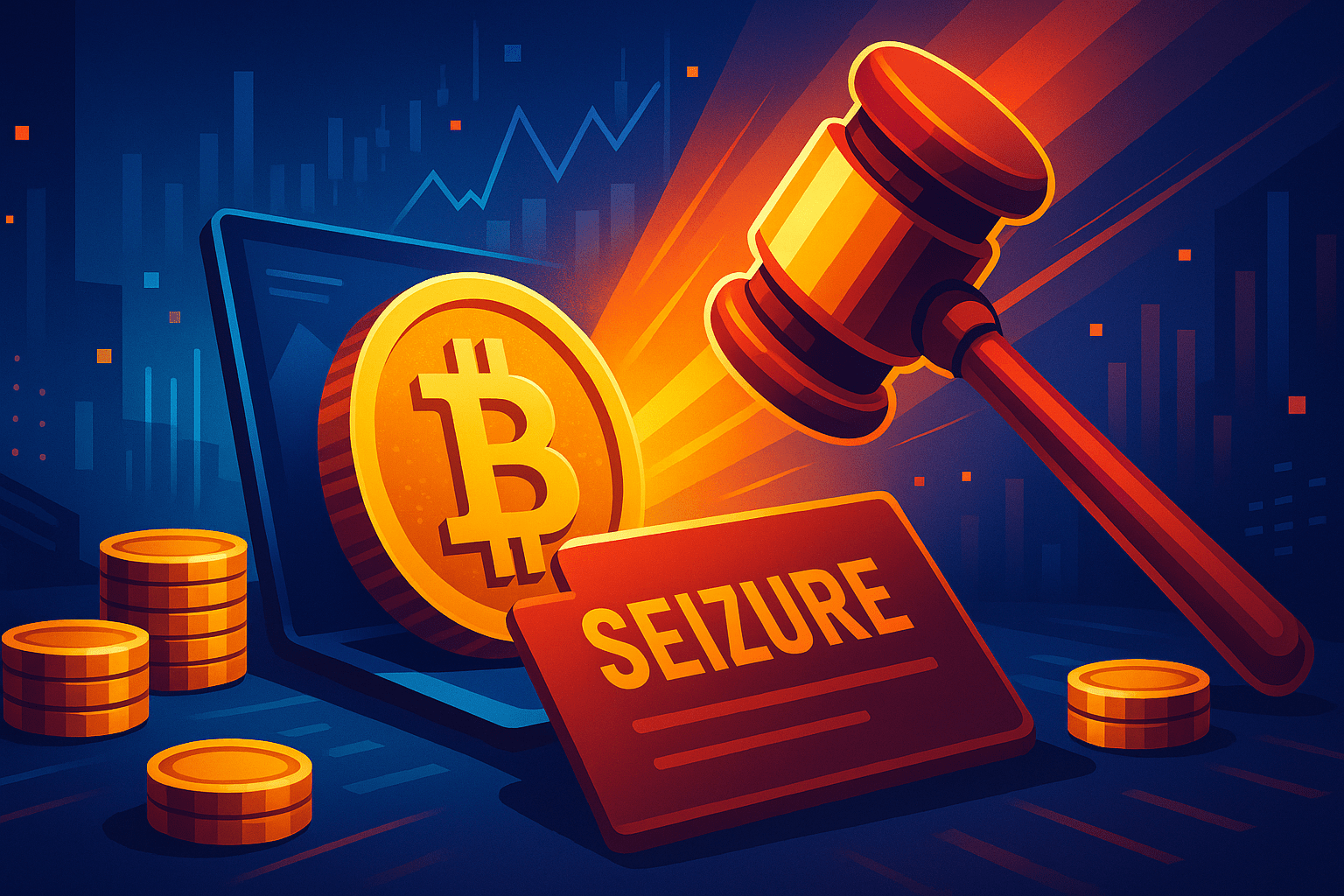
Jeju City, South Korea, has begun seizing cryptocurrency assets from citizens with unpaid local taxes, marking one of the largest crypto-related tax enforcement cases at the municipal level.
On February 16, the city announced that 2,962 residents were targeted for failing to pay a combined ₩19.7 billion ($14.2 million) in local taxes.
AI-Powered Asset Tracking
Authorities used AI-driven machine learning data analysis to identify individuals hiding unreported assets. Investigations revealed that 49 residents held around ₩230 million ($1.66 million) worth of cryptocurrency across South Korea’s four largest exchanges: Bithumb, Upbit, Coinone, and Korbit.
Following this discovery, Jeju City designated the exchanges as third-party obligors and ordered the freezing and seizure of the digital assets.
🚨 ALERT: Jeju City in South Korea has begun seizing the crypto holdings of alleged tax dodgers as part of a crackdown on nearly 3,000 individuals owing $14.2 million. pic.twitter.com/IgyhIxd472
— Cointelegraph (@Cointelegraph) August 18, 2025
Legal Framework From 2021 Reforms
The crackdown is based on amendments made in 2021 to the National Tax Collection Act and Local Tax Act, which granted authorities the power to treat cryptocurrency as taxable assets equivalent to cash. This legal framework allows unpaid taxes to be collected through crypto seizures and liquidation.
The National Tax Service (NTS) has already been conducting nationwide enforcement using crypto seizures, and Jeju City’s initiative is considered one of the largest by a local government. Exchanges that refuse to provide data may face legal penalties, and authorities now have real-time access to transaction histories, making it easier to track hidden assets.
Part of a Nationwide Trend
This move aligns with a broader nationwide effort to strengthen cryptocurrency tax enforcement. In 2024, Paju City in Gyeonggi Province also considered similar actions against tax delinquents, signaling an expansion of local-level crackdowns.
Seized digital assets will be liquidated and applied toward unpaid taxes, with any surplus returned to the taxpayers.
Warning to Crypto Holders
Financial authorities reiterated that owning cryptocurrency does not exempt citizens from tax obligations, and that attempts at tax evasion could directly lead to asset seizures.
The Jeju City case reflects the South Korean government’s dual stance of supporting blockchain innovation while tightening regulatory oversight to secure public revenue. Experts expect more municipalities to adopt similar measures, further highlighting the growing importance of tax compliance in crypto investing.