



 Some of the links on this site may be affiliate links. ICOBench may receive advertising commissions when users visit recommended platforms via our affiliate links, at no additional cost to you. All recommendations are based on a comprehensive review process.
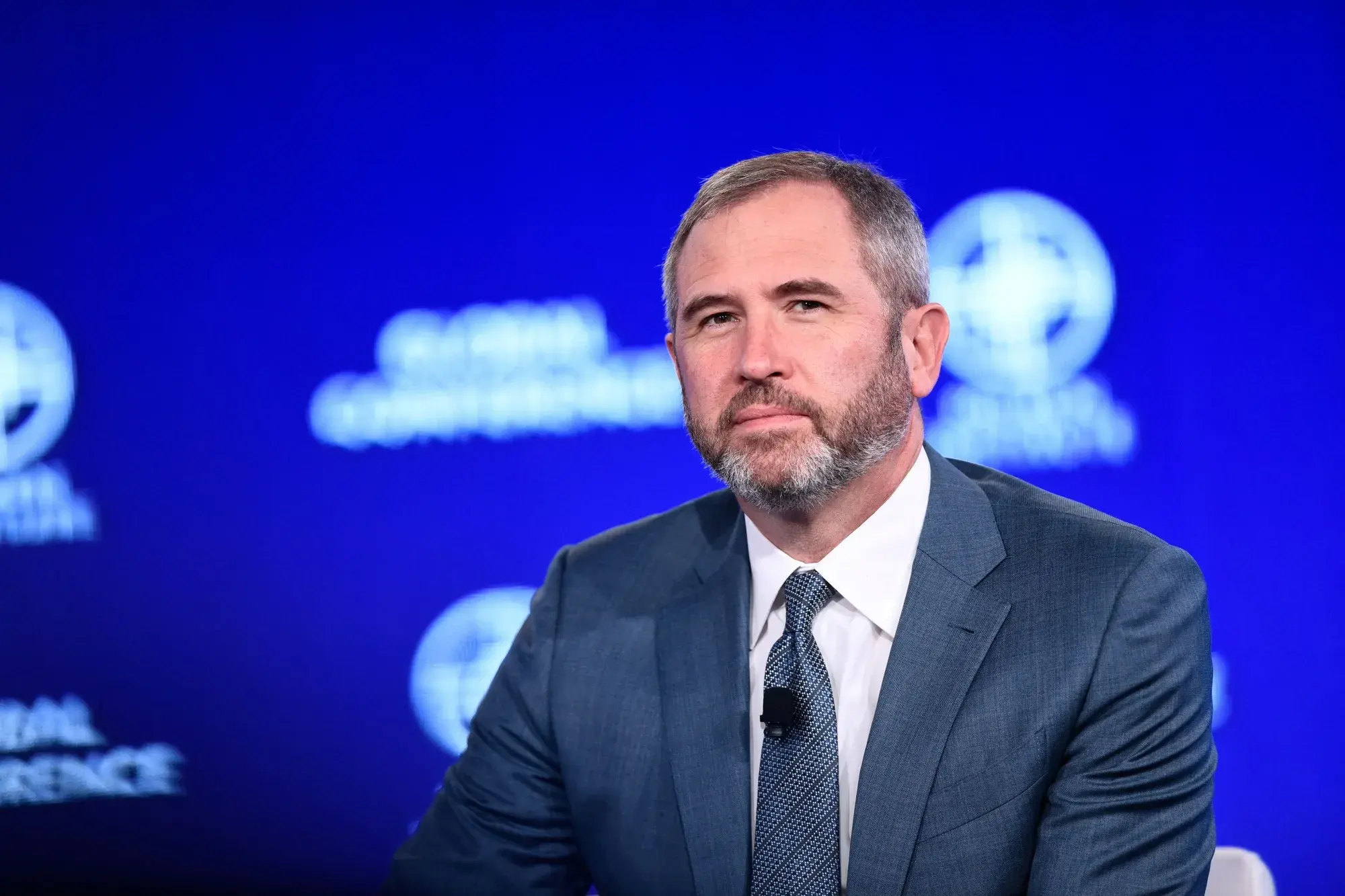
In XRP news today, Ripple CEO Brad Garlinghouse, speaking at the KU School of Business, acknowledged that Ripple holds a substantial amount of XRP while drawing a categorical distinction between holding tokens and controlling the protocol that governs them.
The core tension Garlinghouse addressed is one that has shadowed XRP since its inception: whether a single company’s dominant treasury position constitutes de facto control over a network, regardless of how its governance architecture is structured.
The open question the market must now resolve is whether the validator-driven governance case holds under renewed regulatory scrutiny, or whether the concentration of XRP in a single entity’s hands becomes the operative fact regardless of legal outcome.
DISCOVER: Best Crypto Presales to Watch for July
XRP News: Garlinghouse at KU, What the 41B XRP Holding and Open-Source Governance Claim Actually Reveal About Control
Context significantly enhances the raw figures. The holdings Garlinghouse referenced were substantial, but the escrow structure and release mechanics are part of the wider public discussion about how Ripple’s XRP holdings are distributed over time.
On protocol governance, Garlinghouse drew a hard line between ownership and control, saying: “There’s Ripple, cares about a lot. We own a lot of XRP, but we can’t control it because it’s open source,” he said.
The XRPL is described in the broader coverage as having open-source governance, with Ripple arguing that it cannot unilaterally control the network. Garlinghouse compared XRP to Bitcoin rather than to company equity, stating “That’s owning Apple stock,” as his characterization of what a genuine security looks like, and adding: “It wasn’t even close.”
That framing resonates with the institutional payments thesis Ripple has built around XRP, positioning the asset as infrastructure rather than investment contract.
The SEC Settlement Context: Why the Ownership-vs-Control Distinction Was Ripple’s Core Legal Defense
XRP News: The SEC’s 2020 lawsuit accused Ripple of conducting an unregistered securities offering through XRP sales. The charge implicated both Ripple and Garlinghouse personally, tied to XRP he had sold as an individual. Garlinghouse described the personal lawsuit as distasteful and, in his framing, unethical, particularly after the agency later offered to drop his individual case while continuing to pursue the company. He accepted; the corporate case ran its course over four years.
Garlinghouse said the four-year legal fight with the SEC cost Ripple roughly $150 million. Ripple ultimately prevailed on the case.
"We almost decided to shut down the company when the SEC sued us."
– Brad Garlinghouse, @Ripple CEO, Kansas University, published Jul 8, 2026. pic.twitter.com/kvbe2gnkmU— 🌸Eri ~ Carpe Diem (@sentosumosaba) July 11, 2026
Garlinghouse noted that the environment shifted after a new SEC chair took office, describing the incoming leadership as far more constructive toward the crypto industry. His appearance at KU is consistent with Ripple’s sustained public positioning strategy: rehearsing the decentralization argument in front of business school audiences keeps the narrative alive in venues that shape future policy and legal thinking.
The argument was not invented for the KU stage – it was part of Ripple’s broader legal narrative, and the fact that it succeeded, at least partially, under judicial scrutiny gives it weight that pure executive communication would not carry.