




 Some of the links on this site may be affiliate links. ICOBench may receive advertising commissions when users visit recommended platforms via our affiliate links, at no additional cost to you. All recommendations are based on a comprehensive review process.
Former Ripple Chief Technology Officer and XRP Ledger architect David Schwartz publicly backed Tether on September 2, 2026, in a legal fight over the freezing of 42,417,785.62 USDT across 10 Ethereum addresses.
The dispute, now before the US District Court for the Southern District of New York, centers on Tether’s October 30, 2025 decision to freeze the funds after an informal request from US Homeland Security Investigations, months before a formal court order authorizing the seizure was issued on February 19, 2026.
Tether is doing exactly what they're supposed to do when you know you owe money to someone but have a good faith belief you can't be sure who you owe the money to. You hold it safely until a court with jurisdiction over the asset decides.
— David 'JoelKatz' Schwartz (@JoelKatz) September 2, 2026
What Happened in Tether’s $42.4M USDT Freeze
Investigators reportedly linked the 10 wallets to an alleged international pig-butchering fraud scheme, a category of scam that has become a recurring flashpoint in USDT enforcement actions.
The plaintiffs, described in the primary reporting as Thai entrepreneurs, say they acquired the tokens through secondary-market transactions in good faith and had no direct relationship with Tether.
They are demanding that the addresses be unfrozen and are seeking compensation for lost profits, including interest income Tether earned from the reserves backing those funds.
The case is one of several recent suits testing how far a stablecoin issuer can go in immobilizing tokens before formal judicial authorization, a question with implications well beyond crime-linked wallets and into the broader landscape of sanctions-driven crypto restrictions.
Tether has just been sued over a $42.4 million USDT freeze by Two Thai businessmen in the SDNY.
Nutthawat Rukthammachalern and Natthawat Kasamvilas say Tether blacklisted their wallets on October 30, 2025 (42,417,785.62 USDT) after an informal request from an HSI agent.
No… pic.twitter.com/hDDgMZRrIv
— Ariel Givner (@GivnerAriel) September 1, 2026
David Schwartz’s On-Record Defense of Tether
Schwartz argued that when an issuer faces competing claims to an asset, the responsible course is to hold the funds securely until a court with jurisdiction resolves who is entitled to them.
Replying to a discussion on X, Schwartz wrote:
“Tether is doing exactly what they’re supposed to do when you know you owe money to someone but have a good faith belief you can’t be sure who you owe the money to. You hold it safely until a court with jurisdiction over the asset decides.”
He warned that ignoring the Homeland Security Investigations request could have allowed the funds to move through mixers before authorities acted.
This is a scenario he said could have exposed Tether itself to accusations of facilitating money laundering and to subsequent US criminal prosecution.
Why the Case Matters for Stablecoin Issuer Control
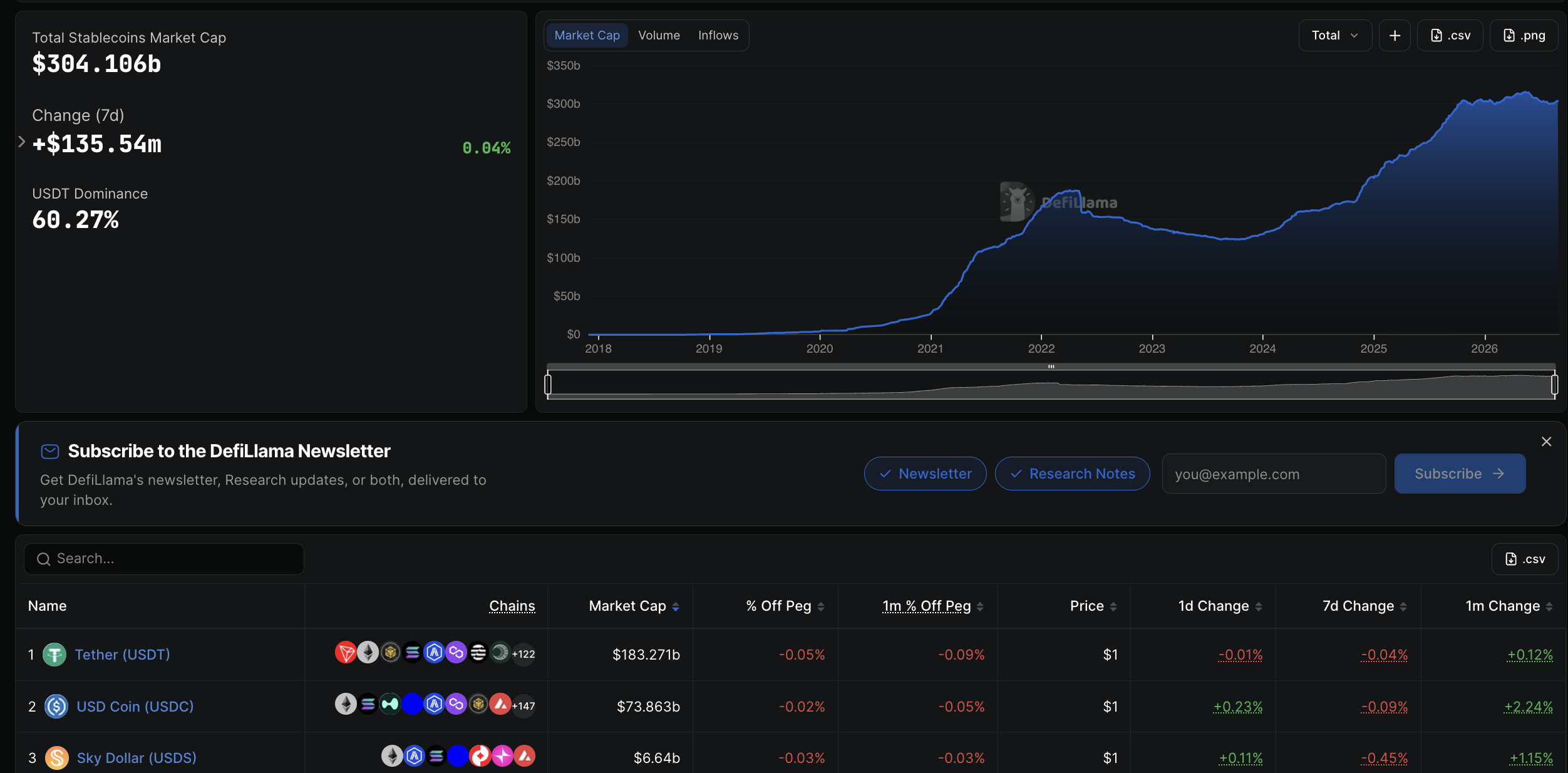
The SDNY proceedings expose an operational bind facing stablecoin issuers: civil liability from users over freezes imposed without a court order on one side, and potential criminal exposure for failing to act promptly on law-enforcement warnings on the other.
The court’s eventual ruling will address whether a private company’s Terms of Service can authorize freezing millions of dollars in tokens before any official judicial orders are issued.
This is a question that touches directly on stablecoin regulation as issuers scale their footprint across both retail and institutional rails, from Ripple’s RLUSD market cap growth to BlackRock’s tokenized Treasury products.
Nothing in the primary reporting establishes that a court has resolved either the plaintiffs’ ownership claims or the government’s underlying allegations tied to the pig-butchering scams at the center of the case. Those questions remain live, and neither side’s position has been adjudicated.
What Comes Next in the SDNY Tether Proceedings
The court’s final ruling is expected to determine whether Tether’s internal security policy can justify a pre-order freeze under circumstances like these, where an informal HSI request preceded formal authorization by nearly four months.
Whether that gap undermines the plaintiffs’ due-process claims or the later seizure order simply ratifies Tether’s earlier action remains the unresolved core of the dispute heading into further motions.