




 Some of the links on this site may be affiliate links. ICOBench may receive advertising commissions when users visit recommended platforms via our affiliate links, at no additional cost to you. All recommendations are based on a comprehensive review process.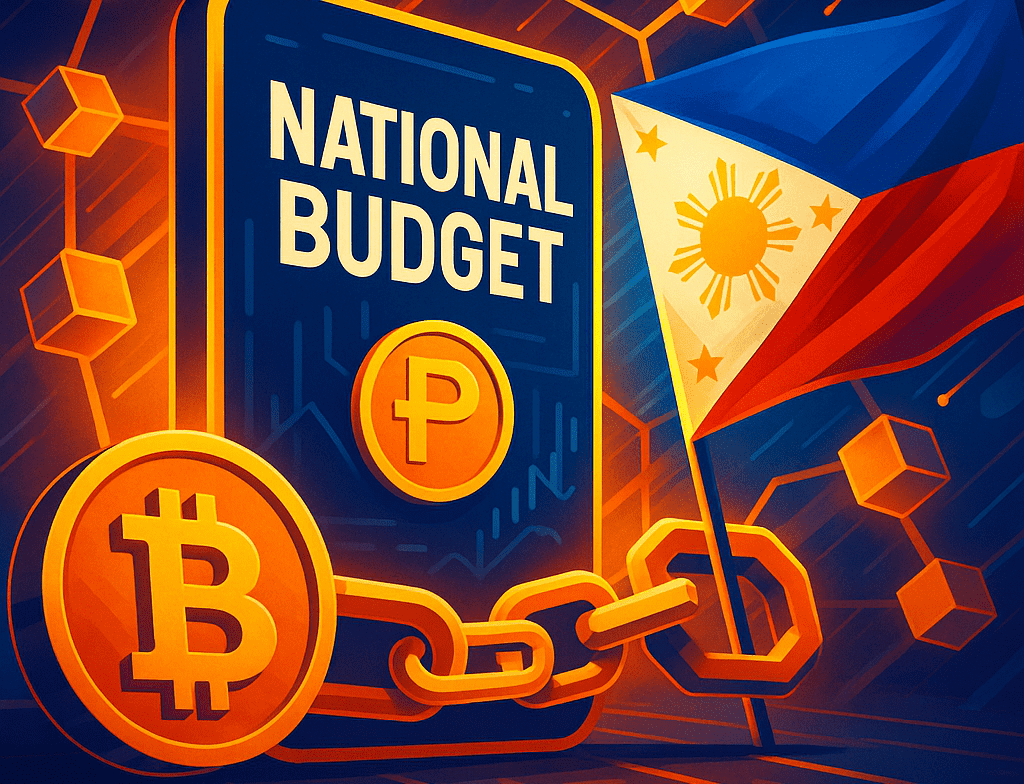
At the Manila Tech Summit, Philippine Senator Bam Aquino revealed his intention to explore placing the country’s national budget on the blockchain. The initiative, if implemented, could make the Philippines the first nation in the world to manage public finances on an immutable ledger, offering new tools for transparency and anti-corruption efforts.
For now, Aquino’s statement is an intention rather than a concrete proposal. No draft legislation or detailed implementation plan has been presented yet. However, the senator’s idea is not without precedent. The Department of Budget and Management in the Philippines already uses a local blockchain network to publish certain financial data in real time. Extending this system to cover the entire national budget would be a significant step forward.
📸 LOOK: During the Manila Tech Summit, Senator Bam Aquino highlighted the BitPinas news report on the Philippine government's blockchain initiative, where the Department of Budget and Management (DBM) is now putting select budget documents on the Polygon blockchain. 🇵🇭💻
The… pic.twitter.com/illNvChVVT
— BitPinas (@bitpinas) August 29, 2025
Web3 Industry Reaction
Local Web3 stakeholders welcomed the announcement, noting that immutable ledgers could indeed improve audit processes and accountability. Still, they cautioned that blockchain is not a silver bullet against corruption. Effective governance and enforcement would remain essential.
Blockchain and Bitcoin Strategy in the Philippines
The proposal aligns with other cryptocurrency initiatives under consideration in the Philippines. Lawmakers are currently exploring the creation of a strategic reserve of 10,000 Bitcoin to help counter rising public debt. Similar strategies have already been seen in Bhutan, which holds over 11,000 BTC, though Bhutan mined much of its Bitcoin, while the Philippines would need to purchase it.
Placing public finances on the blockchain could therefore increase trust and transparency around such reserves, ensuring that government actions remain verifiable.
Global Trend Towards On-Chain Governance
The Philippines would not be alone in pursuing blockchain for governance. Estonia already uses its KSI blockchain to secure government documents, while the United States is reportedly considering publishing GDP data on blockchain networks.
However, experts warn that privacy concerns may prevent full transparency. Certain economic data may never be disclosed on public ledgers.
Still, initiatives like Aquino’s highlight a growing global interest in blockchain-powered governance, strengthening the narrative that blockchain is no longer just for cryptocurrencies but a tool for public accountability.