

 Some of the links on this site may be affiliate links. ICOBench may receive advertising commissions when users visit recommended platforms via our affiliate links, at no additional cost to you. All recommendations are based on a comprehensive review process.
 A Cold Wallet is a type of cryptocurrency storage that keeps your private keys completely offline, away from internet-connected devices. By isolating your keys from potential online threats, it offers one of the most secure methods for safeguarding digital assets.
A Cold Wallet is the preferred choice for long-term holders, institutions, and anyone serious about protecting their crypto assets from hacks or malware.
Unlike hot wallets, which prioritize convenience and instant access, cold wallets focus on security and permanence, making sure your crypto stays safe even if your computer or exchange account is compromised.
✔️ Cold Wallets store crypto private keys entirely offline, making them one of the safest methods to protect digital assets from hackers and malware. ✔️ They come in several forms, most commonly hardware wallets and paper wallets, each designed to keep private keys disconnected from the internet. ✔️ Ideal for long-term storage, cold wallets help investors safeguard significant holdings with minimal exposure to online vulnerabilities. ✔️ While highly secure, they require careful handling and backup management, since losing the device or recovery phrase can mean you lose access to your crypto permanentlyCold Wallet: Key Insights
What Is a Cold Wallet?
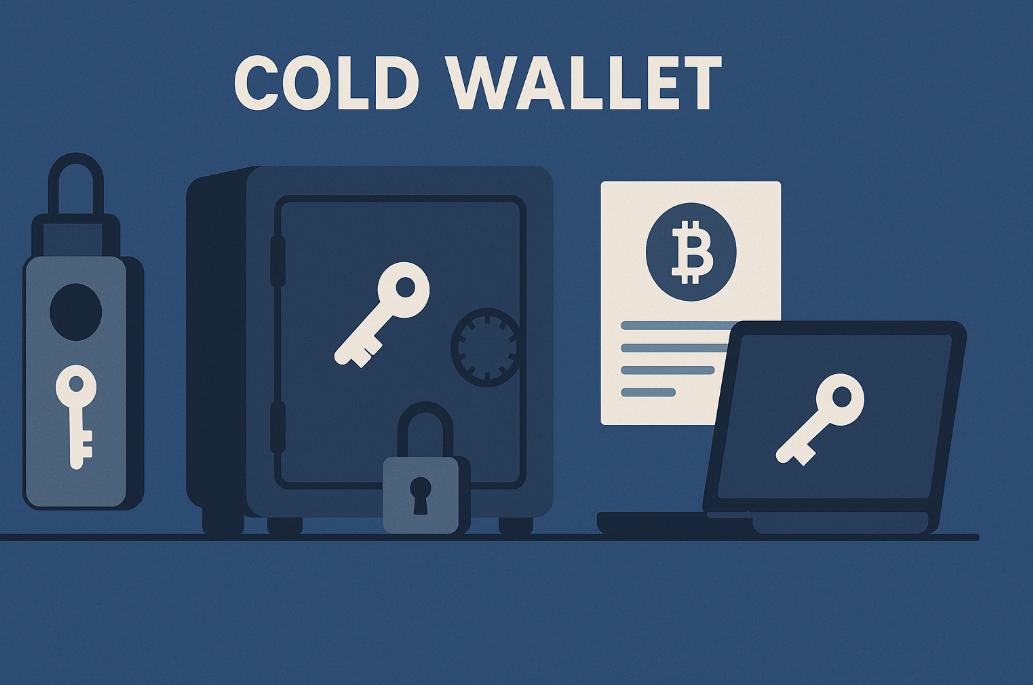
A Cold Wallet is a crypto storage method that keeps your private keys entirely offline, away from servers or networks that could be hacked. Instead of storing login credentials or seed phrases on a device connected to the internet, cold wallets isolate them within a secure environment.
This makes them a cornerstone of crypto security, particularly for long-term holders and institutions managing large portfolios.
Definition & Key Concept
At its core, a cold wallet ensures that your private keys, the cryptographic codes that grant access to your crypto never touch an online device.
Transactions are signed offline and only broadcasted when you reconnect briefly to the network. Because the keys never leave the device, even the most advanced malware can’t access them.
Types of Cold Wallets
There are several variations of cold wallets, and each designed for different use cases and levels of technical comfort:
- Hardware Wallets: Small USB-like devices that store private keys offline and require physical confirmation for every transaction. Examples include Ledger, Trezor, and Keystone.
- Paper Wallets: A printed copy of your private and public keys, often generated offline. Extremely secure but fragile and easy to lose if not stored correctly.
- Air-Gapped Devices: Computers or smartphones permanently disconnected from the internet, used solely for signing transactions offline.
Each form achieves the same goal, protecting your crypto by keeping private keys out of reach from online threats.
How a Cold Wallet Works
A cold wallet functions as an offline vault for your digital assets, making sure your private keys, the cryptographic signatures proving ownership, never interact with the internet.
This separation is what makes it nearly immune to hacking attempts or phishing scams.
When you set up the wallet, it generates a pair of keys: a public key, used to receive funds, and a private key, used to authorize transactions.
The private key is created and stored within the device or medium itself and never transmitted online.
When you want to make a transaction, here’s what happens:
- You create the transaction request on a computer or mobile device.
- That unsigned transaction is transferred to the cold wallet via USB, QR code, or microSD card.
- The cold wallet signs it internally using your private key, which never leaves the device.
- The signed transaction is sent back to your online device to be broadcast to the blockchain.
This workflow keeps the critical signing process completely offline, maintaining full protection even if your internet-connected device is compromised.
Inside a Cold Wallet: Design, Features & Safe Handling
A cold wallet is a complete security system designed to protect your digital assets from both online and physical threats. With advanced security measures and offline storage, your assets are protected against hacking, unauthorized access, and theft.
Its design revolves around one principle: your private keys never touch the internet. This isolation transforms ordinary digital storage into a long-term fortress for your crypto assets.
Design & Core Features
Cold wallets are built to minimize exposure and maximize control. Whether it’s a hardware device or a paper backup, the goal is the same, secure offline custody of your crypto.
- Offline Private Keys: Private keys are generated and stored offline, keeping them safe from hacks and network breaches.
- Secure Chip or Recovery Seed: Hardware wallets include tamper-resistant chips; paper wallets use an offline-generated recovery phrase.
- Encryption & PIN Protection: Most cold wallets use strong encryption, PIN codes, or optional passphrases for added defense.
- Manual Transaction Verification: Each outgoing transaction must be physically confirmed, protecting against remote manipulation.
Safe Handling Practices
Even the most advanced wallet depends on how carefully you manage it. To keep your funds truly secure and your assets crypto safe from both physical and online threats, follow a few key habits:
- Back Up Your Recovery Phrase: Write it down on a durable medium (paper or metal) and store copies in separate, safe locations.
- Store It Like a Vault Item: Keep your device or backup in a safe place, such as a fireproof safe or safety deposit box, away from prying eyes or damage.
- Use Official Software Only: Always download firmware or companion apps from verified manufacturers, never third-party sources.
- Test Before You Trust: Start with small transfers to confirm your setup before storing significant balances.
A cold wallet’s strength lies in your discipline. When handled correctly, it becomes one of the most reliable forms of crypto protection, combining airtight security with complete personal control.
Cold Wallet vs Hot Wallet: Which One Should You Use?
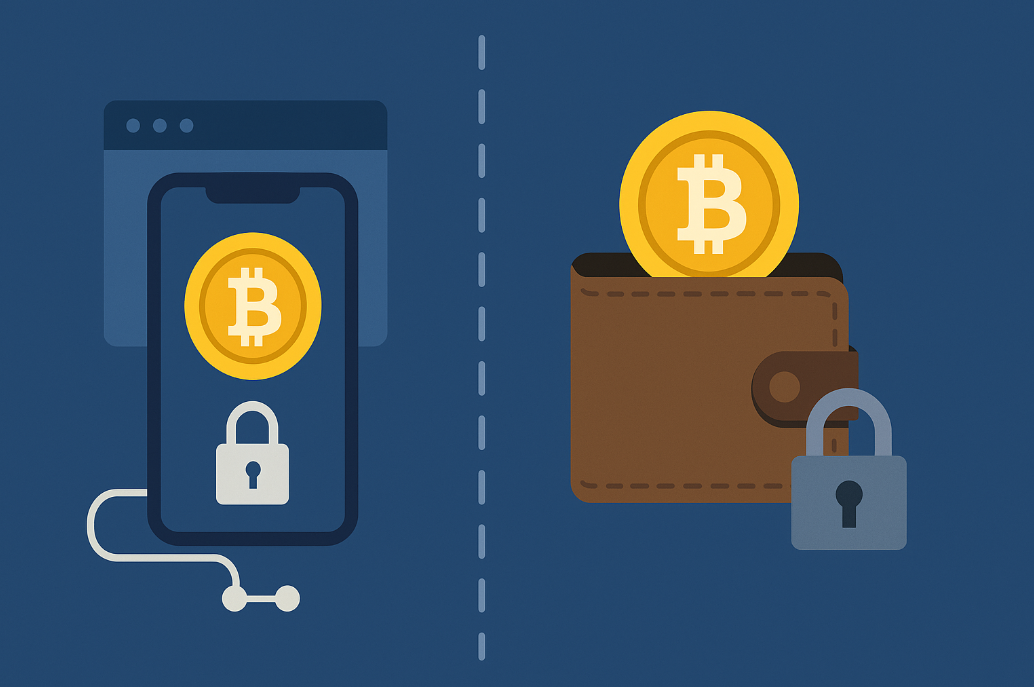
In crypto storage, the choice between a cold wallet and a hot wallet comes down to how often you trade and how much risk you’re willing to take. Cold wallets are non custodial, meaning only the user holds the keys and has full control over their crypto.
Both serve essential roles, one offers convenience, the other security, and most investors use a mix of both.
Hot Wallets: Fast but Exposed
Hot wallets stay connected to the internet, giving users instant access to funds for trading, DeFi participation, or payments. Since they’re always online, they’re more convenient but also more exposed to cyber threats. They’re best suited for small balances and frequent use, much like a checking account.
Common examples: mobile apps, web-based wallets, or exchange accounts.
Cold Wallets: Secure but Less Accessible
Cold wallets are offline by design. They store your private keys on hardware devices or physical media, making them nearly impossible to hack remotely.
This makes them ideal for long-term storage and large holdings, think of them as your crypto savings vault.
Common examples: hardware wallets, paper wallets, or air-gapped devices.
Finding the Right Balance
The smartest strategy is combining both:
- Use a hot wallet for daily trades, staking, or small transfers.
- Keep a cold wallet for your main reserves and long-term holdings.
- Regularly move profits from your hot wallet to cold storage to lock in gains securely.
This layered approach lets you enjoy the best of both worlds, speed when you need it, and security when you don’t.
Benefits & Risks of Using a Cold Wallet
A cold wallet delivers unmatched security, but it also changes how you manage your crypto. Understanding its strengths and challenges helps you decide if it fits your long-term strategy.
Why Cold Wallets Stand Out
Cold wallets remove the single biggest threat in crypto online exposure. Since your private keys never touch the internet, they’re virtually immune to hacking, malware, and phishing attacks.
They’re perfect for long-term storage, protecting large balances or institutional holdings that don’t require daily transfers.
You also maintain true self-custody. Your digital assets remain under your control at all times, secured by your recovery phrase or device.
Many modern hardware wallets combine this autonomy with multi-layer encryption, biometric options, and physical transaction confirmation for professional-grade protection.
What to Watch Out For
The trade-off for maximum security is convenience. Every transfer requires manual setup, connecting your device, signing transactions offline, and verifying details carefully. It’s slower but safer.
Physical risks also exist: losing your device or seed phrase means permanent loss, since no company or exchange can recover your keys.
Finally, cold wallets demand personal responsibility. Unlike hot wallets or exchanges that reset passwords, a cold wallet’s safety depends entirely on how well you back it up and store it.
The Role of Cold Wallets in a Secure Crypto Strategy
A cold wallet is most effective when used as part of a layered approach. Most investors keep a small balance in a hot wallet for daily trading or for DeFi, while storing their main reserves in a cold wallet for maximum protection. Using a combination of crypto wallets, including both hot and cold options, provides optimal security and flexibility.
This setup blends convenience with control, ensuring your active funds stay accessible while long-term holdings remain isolated from online threats.
Institutions, miners, and long-term holders rely on this dual strategy to balance liquidity and security. In short, a cold wallet anchors the tools, forming the foundation of a responsible crypto storage plan.
Pro Tip: When setting up your cold wallet, generate your recovery phrase offline and record it on a non-digital medium like metal or archival paper. Never photograph or store it in the cloud.
Conclusion
A Cold Wallet remains the most trusted way to store cryptocurrency securely. By keeping private keys offline, it removes nearly all exposure to hacking, phishing, or malware.
Many cold wallets support multiple cryptocurrencies and tokens, allowing users to manage a diverse portfolio securely. For traders and investors who value control and peace of mind, a cold wallet offers unmatched protection, even in volatile markets. Still, true safety comes from balance: use hot wallets for activity and cold wallets for preservation.
In the end, mastering both gives you the freedom to trade confidently while knowing your long-term crypto holdings are safe, private, and entirely your own.