Some of the links on this site may be affiliate links. ICOBench may receive advertising commissions when users visit recommended platforms via our affiliate links, at no additional cost to you. All recommendations are based on a comprehensive review process.
 We all know that Bitcoin emerged as a decentralized, peer-to-peer alternative to traditional banking transactions. While it ushered in an entirely new era of digital finance, it soon began to face limitations, such as network congestion as usage increased.
Over time, the Bitcoin network also became somewhat centralized through large mining pools. To address issues like limited scalability, low transaction speed, lack of flexibility, high energy consumption, and other concerns, alternatives to Bitcoin, commonly known as altcoins, were developed.
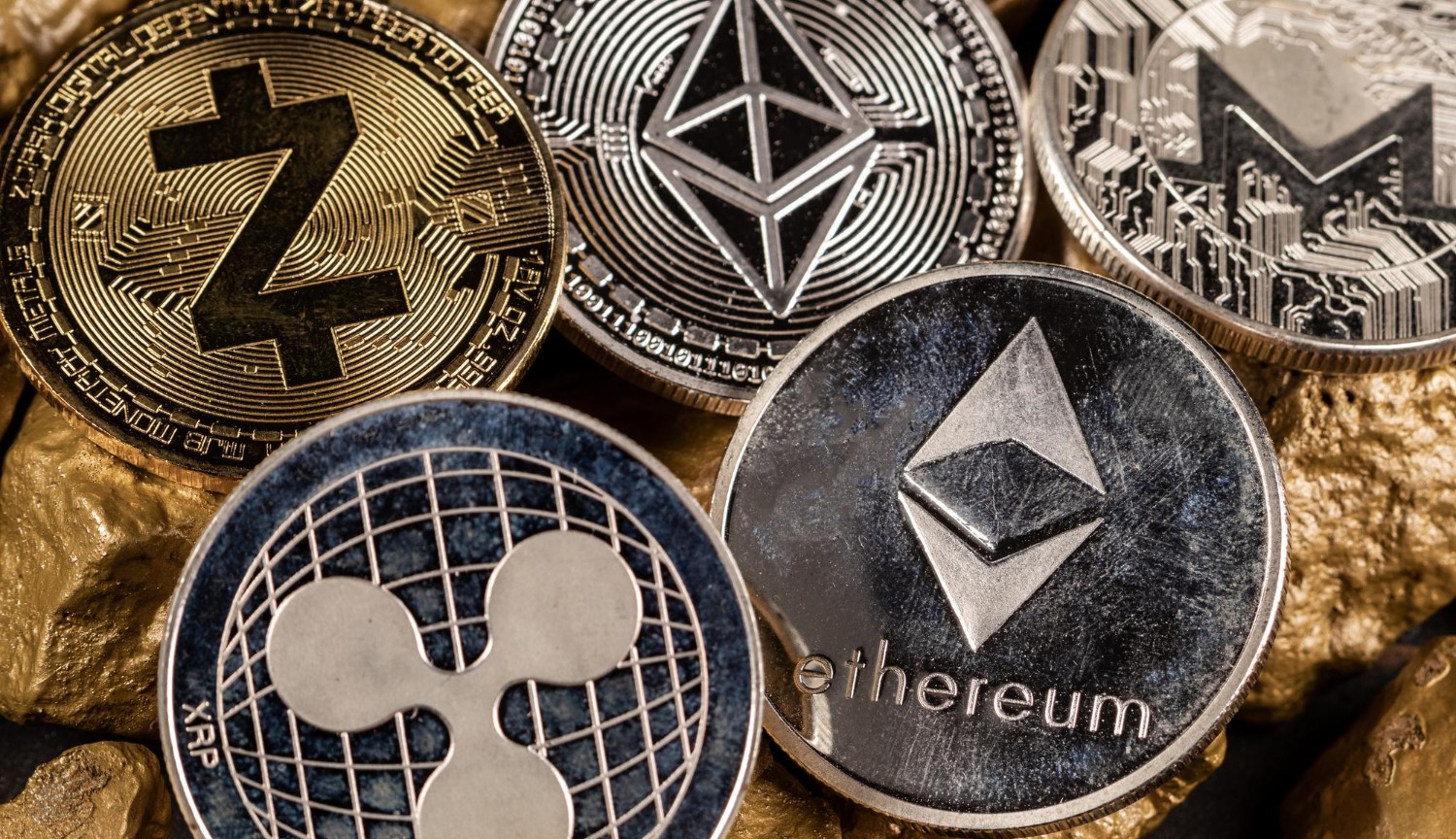
Today, altcoins such as Ethereum (ETH), Binance Coin (BNB), XRP, Solana (SOL), and Cardano (ADA) together account for roughly 60% of the crypto market.
How Altcoins Emerged?
In 2008, Bitcoin arrived as a decentralised digital currency that doesn’t need banks or central authorities to work. Its main goal was to allow people to make direct electronic transactions with each other, without the need for trusted third parties (banks, centralized entities, etc) and to give users control over their own money.
Bitcoin was created to address issues with the traditional financial system, such as the instability caused by fractional-reserve banking and the need to trust intermediaries. The embedded message in Bitcoin’s genesis block that talked about a bank bailout made it clear that the currency’s goal was to be a better way to do banking.
However, Bitcoin started showing limitations and, most importantly, lacked innovation. So developers used the core blockchain technology to craft more scalable, flexible, and energy-efficient chains, known as Altcoins today.
Some of the most notable Bitcoin limitations that Altcoins have solved are;
- Scalability and Speed: Bitcoin can only handle about seven transactions per second because its blocks are only 1MB in size and take 10 minutes to process. This means that transactions take longer and cost more during busy times. Litecoin and other altcoins have faster transaction times and bigger blocks.
- Energy Use: Bitcoin’s Proof-of-Work mining uses a lot of energy. Some altcoins use different ways to reach consensus, like Proof-of-Stake, which uses a lot less power. Learn the core differences here.
- Flexibility: Bitcoin’s network is not very programmable and does not support smart contracts, so it is not very usable. Altcoins like Ethereum brought smart contracts, which let decentralized apps, DeFi, and other uses go beyond just sending money.
- Concerns about decentralization: Bitcoin mining has become a little more centralized in big mining pools, which raises security concerns. Some altcoins try out different ways to decentralize.
Bitcoin Alternatives
Bitcoin still holds the title of the best crypto overall. It’s the most valued crypto on the market, with the best security and highest brand value. And naturally, the coin alone can significantly shift the crypto market sentiment.
Regardless, many altcoins are competing with their own innovative structures. Some of them are,
Litecoin (LTC)
Litecoin (LTC) is a copy of Bitcoin, but it uses an independent hashing algorithm. The asset has just begun using more anonymous technology than Bitcoin, but surprising reports say that Litecoin is now the second most popular cryptocurrency on darknet markets, after Bitcoin.
It seems like a coin that focuses on privacy, like Monero, would be a better choice for buying illegal goods and services. Litecoin has been around for a long time, since late 2011, so this could be why.
Litecoin (LTC) also benefits from the fact that it uses Bitcoin’s SegWit technology, which means that it is ready for the Lightning Network. Atomic swap trading (the safe trading of coins between peers without any third parties) could help Litecoin.
Ethereum (ETH)
Ethereum’s currency, Ether, has become extremely popular, despite the fact that its primary function is as a DIY blockchain technology rather than a payment method. Still, its $500B+ market cap shows that it is firmly rooted in the crypto ecosystem.
Like Bitcoin, Ethereum has drawn a lot of attention from authorities. Especially since it can be used for creating dApps, thanks to its programmable smart contracts. Furthermore, the Ethereum network powers the majority of ICOs, STOs, and IEOs.
Check out some of the Best Ethereum ICOs and presales.
Ethereum made the long-awaited transition to an improved combined Proof of Work/Stake system in 2022. In comparison to Bitcoin and different PoW blockchains, the merge improved sustainability and addressed environmental concerns by reducing Ethereum’s power use by over 99%.
Solana (SOL)
Solana is a blockchain that works very well and is known for its fast speeds, ability to grow, and low fees for transactions. It uses a special Proof-of-History consensus along with Proof-of-Stake, which lets it handle up to 65,000 transactions per second with almost instant finality. With a Solana Wallet, you could further save on gas fees.
Solana is a strong, developer-friendly ecosystem that is prominent for decentralized finance (DeFi), NFTs, and applications for gaming. It is a strong competitor to Ethereum and a top altcoin in 2025 because it is energy-efficient, has a growing community, and is backed by big investors. Lately, Solana ICOs are seeing massive presale raises as well.
Monero
Given that Bitcoin is hardly private, the demand for an anonymous coin is fairly obvious. So far, Monero (XMR) holds that title for good reason, too. Its market capitalization and reputation remain higher than those of its competitors, Dash and Zcash.
Compared to Zcash’s “trusty” key ceremony, Monero’s code needs less trust when it comes to innovation. Furthermore, Monero’s dedication to mining decentralization is demonstrated by the fact that it modified its algorithm to stop the creation of an ASIC miner.
Ripple (XRP)
Ripple (XRP) is a well-known altcoin that makes it effortless to send and receive payments across borders quickly and cheaply. XRP is “pre-mined,” which means it doesn’t need as many validators to work. It can handle up to 1,500 transactions per second in 3 to 5 seconds.
XRP is also a bridge currency in Ripple’s payment network, which means you don’t have to hold a lot of different fiat currencies when you send money internationally. It’s one of the biggest and most important altcoins today because it is useful in the real world for banking and finance.
Altcoins Conclusion
Remember that altcoins have their own agendas, pros, and cons. Some ride the hype, until the craze dies down, while others innovate and upgrade with changing market sentiments. As long as an altcoin can offer something unique while competing against market giants, it can always become the ‘next big thing’.