




 Some of the links on this site may be affiliate links. ICOBench may receive advertising commissions when users visit recommended platforms via our affiliate links, at no additional cost to you. All recommendations are based on a comprehensive review process.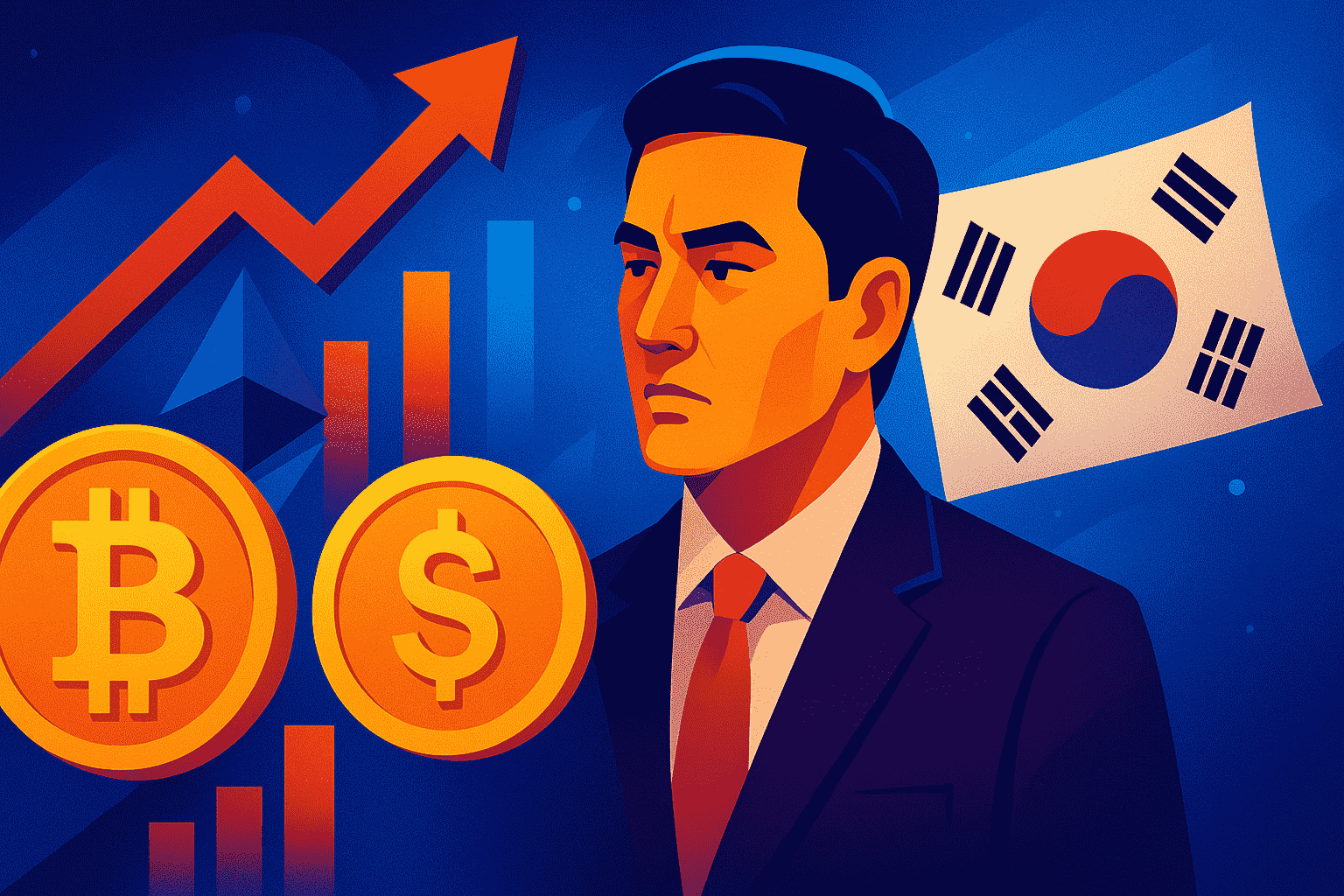
South Korea’s next potential top financial regulator, Lee Eok-won, has made his stance on cryptocurrency clear: he’s not convinced.
NEW: South Korea’s FSC nominee Lee Eok-won calls #crypto “extremely volatile” with “no monetary function or intrinsic value.” ⚖️ pic.twitter.com/oRk7R5OQ7t
— Coinpaper (@coinpapercom) September 1, 2025
In written responses submitted ahead of his confirmation hearing, Lee described cryptocurrency as “extremely volatile”, lacking real monetary use and without intrinsic value. His priority, he emphasized, will be financial stability instead of fueling speculative markets.
Tougher Line on Crypto Investments
Lee expressed particular concern about pension funds gaining exposure to digital assets, saying such moves would amount more to gambling than investment, risking social fallout if prices collapse.
On crypto ETFs, he struck a cautious tone, acknowledging both “expectations and concerns,” while deferring the matter to ongoing discussions with lawmakers. Translation: no immediate approval.
This position contrasts with the surging popularity of crypto among South Koreans. By late March, about a third of the population, nearly 16 million citizens, were using exchange platforms. For many younger South Koreans facing stagnant savings yields, rising housing costs, and blocked upward mobility, crypto is seen not as a gimmick but as a shot at financial progress.
Industry voices counter Lee’s skepticism, noting Bitcoin’s strengths in security, scarcity, and transferability. But so far, those arguments haven’t shifted the regulator’s stance.
Stablecoins: A More Open Path
However, Lee’s tone was softer on stablecoin. Eight major South Korean banks are developing a won-pegged stablecoin designed as a payments tool backed by reserves.
The debate is sharp: the central bank wants banks to retain full control, while some lawmakers argue for broader participation to prevent U.S. dollar-backed tokens from dominating the space.
The regulator is moving cautiously, watching global developments and stressing reserve transparency. A concrete framework could emerge by 2026, creating a slower but more stable path forward.
Broader Reforms and Controlled Growth
Meanwhile, the Ministry of SMEs is proposing to recognize crypto companies as venture-eligible startups, opening access to funding and tax incentives. While modest, this reform signals the government is more interested in channeling innovation than shutting it down completely.
This balanced approach mirrors that of other Asian markets: encourage tokenized payments and stable infrastructures, while filtering high-risk investments.
What It Means for Crypto Markets
In the near term, South Korea’s crypto sector faces hurdles: no ETFs, no pension allocations, and step-by-step regulation. But the medium-term outlook is more nuanced.
With stablecoin pilots, stricter audits, and new financing avenues for startups, the foundations of a more transparent and sustainable ecosystem are being laid. As global standards converge, Seoul’s message is firm but clear: crypto must prove real utility, not just sell a narrative.