





 Some of the links on this site may be affiliate links. ICOBench may receive advertising commissions when users visit recommended platforms via our affiliate links, at no additional cost to you. All recommendations are based on a comprehensive review process.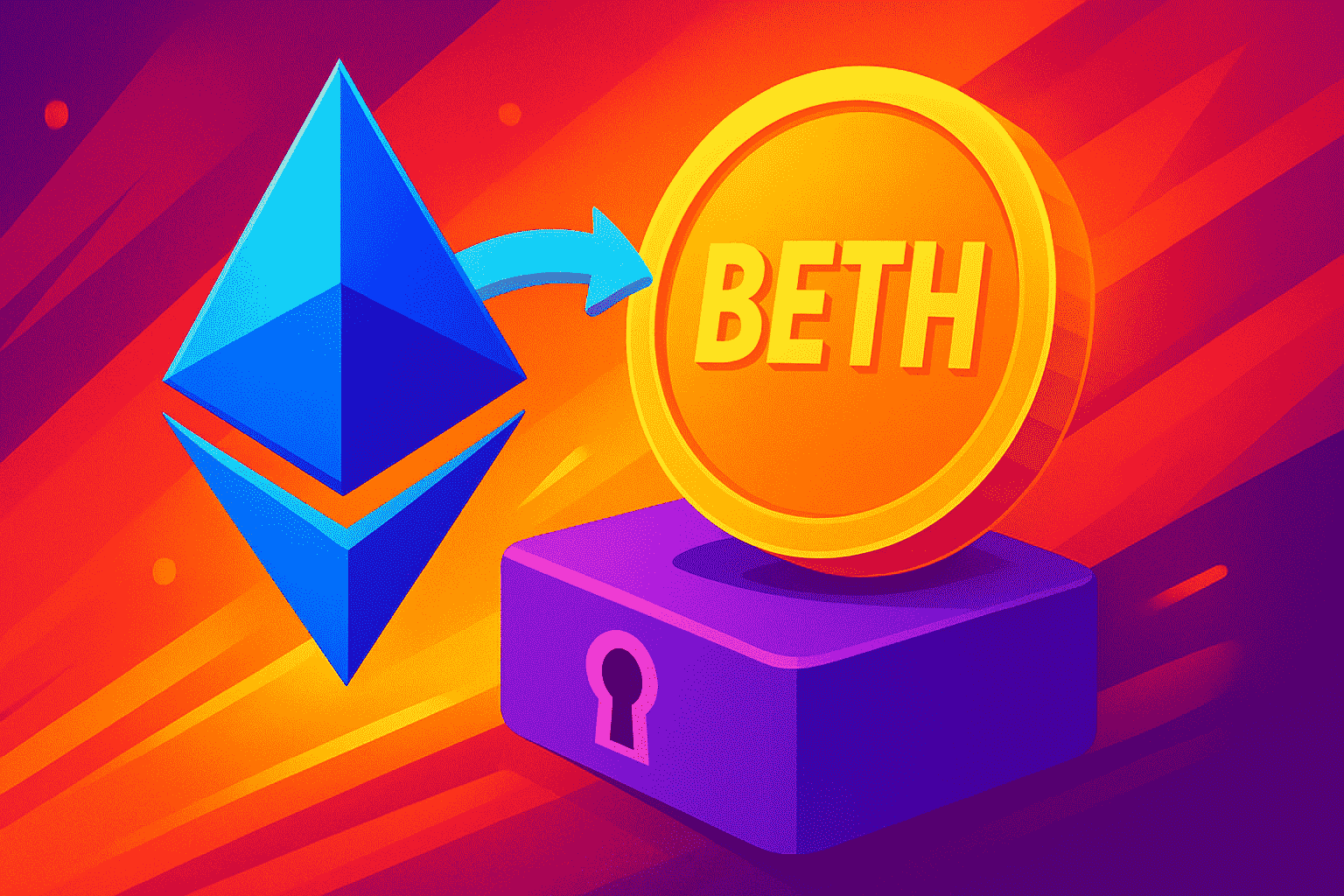
The Ethereum Community Foundation (ECF) announced the launch of BETH on 28 August, a new token designed to represent permanently burned ETH. Each BETH corresponds 1:1 with ETH removed from circulation, providing a transparent and verifiable proof-of-burn record.
🔥 Proof of Burn
Ethereum burns billions in ETH every year.
Until now, that value vanished into the void.Today, we launch BETH: Burned ETH, tokenized.
BETH is live.
Github:https://t.co/n7pkcb1Y7F pic.twitter.com/6uNjmAwcEN
— Ethereum Community Foundation (@ethcforg) August 28, 2025
The system works through smart contracts: when users send ETH to a burn address, an equal amount of BETH is minted and issued to them. Unlike Ethereum’s EIP-1559 fee-burning mechanism, where destroyed ETH remains abstract, BETH offers a tangible, tokenized version that can circulate in apps and protocols.
Ethereum co-founder and ConsenSys CEO Joseph Lubin said that ETH burning could become a “highly profitable activity” and revealed plans for additional tokens, including BBETH and BBBeth, to expand the ecosystem.
Strengthening Ethereum’s Scarcity and Economic Design
By tokenizing destroyed ETH, ECF aims to reinforce Ethereum’s role as a scarce digital asset while addressing gaps in the current economic model. According to ECF founder and core developer Zac Cole, “Just as WETH standardizes ETH for smart contracts, BETH creates a clean layer for tracking burns.”
ECF emphasized that scarcity and destruction are as vital as creation and issuance in shaping Ethereum’s evolving financial framework. The initiative could also inspire new ways to boost the value of other cryptocurrencies.
The introduction of BETH is expected to open new opportunities for developers, from governance frameworks to Web3 gaming, where burn mechanisms could serve as reward systems. By making burns verifiable and tokenized, ECF is responding to community demand for a more concrete economic layer, transforming what was once abstract into something developers and users can actively engage with. It might be a good news for ETH to break 5000 in the future.