




 Some of the links on this site may be affiliate links. ICOBench may receive advertising commissions when users visit recommended platforms via our affiliate links, at no additional cost to you. All recommendations are based on a comprehensive review process.
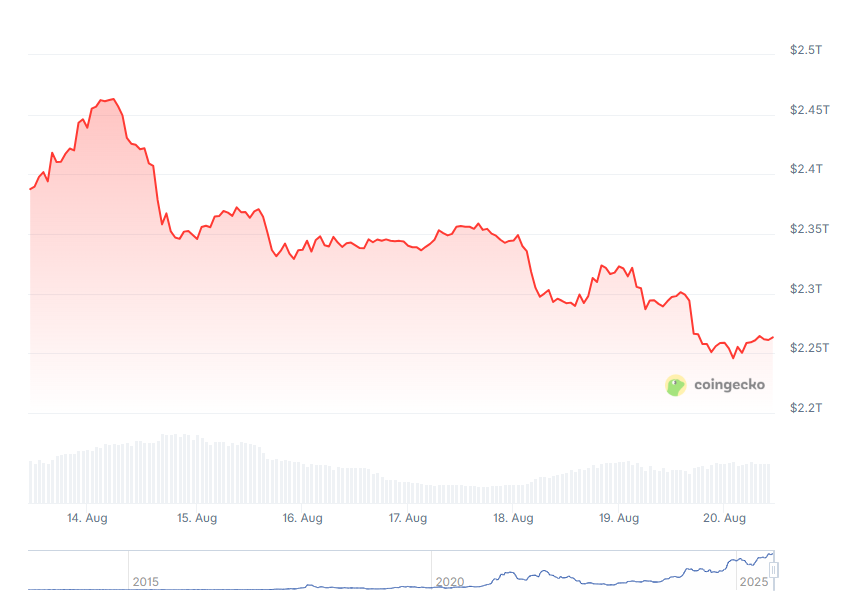
Crypto news today shows a clear bearish shift across the digital asset market, with nearly every major sector in the red. Over the past 24 hours, token prices have dropped significantly, weighed down by macroeconomic concerns and institutional reactions to inflation data.
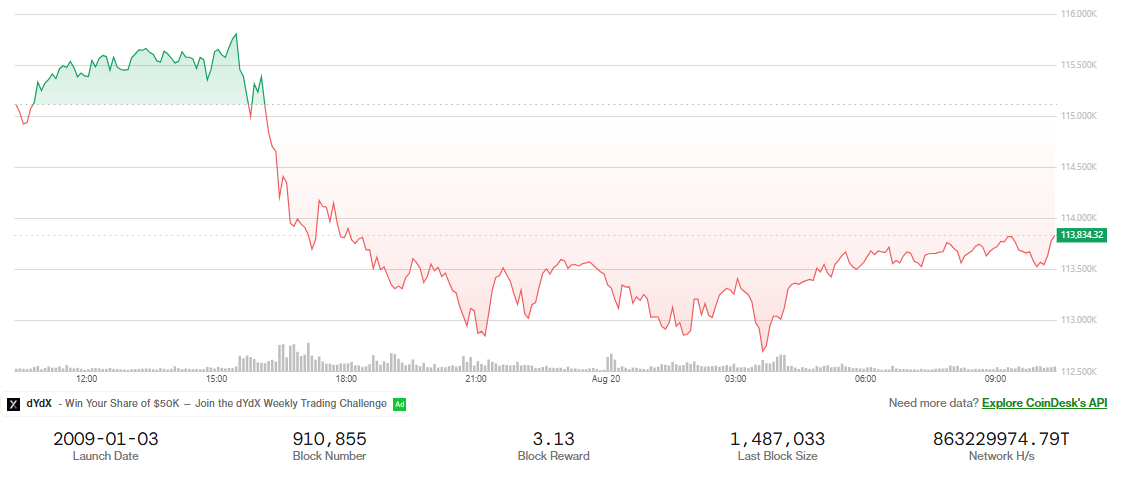
In the last 24 hours, most crypto sectors recorded steep losses ranging between 2% and 6%. Ethereum (ETH) fell 4.79% to just under $4,100, while Bitcoin (BTC) dropped 2.69%, slipping below $113,000.
The PayFi sector, which had previously shown strength, dropped 5.65%, largely dragged down by XRP (-5.52%) and Telcoin (-7.17%).
Even DeFi, Layer1, and Layer2 sectors weren’t spared, with only a few exceptions like OKB (+5.76%) and Mantle (+5.51%) managing to post gains amid the downturn. Overall sentiment remains bearish as traders brace for more volatility.
XRP Under Pressure After Home Depot Warning
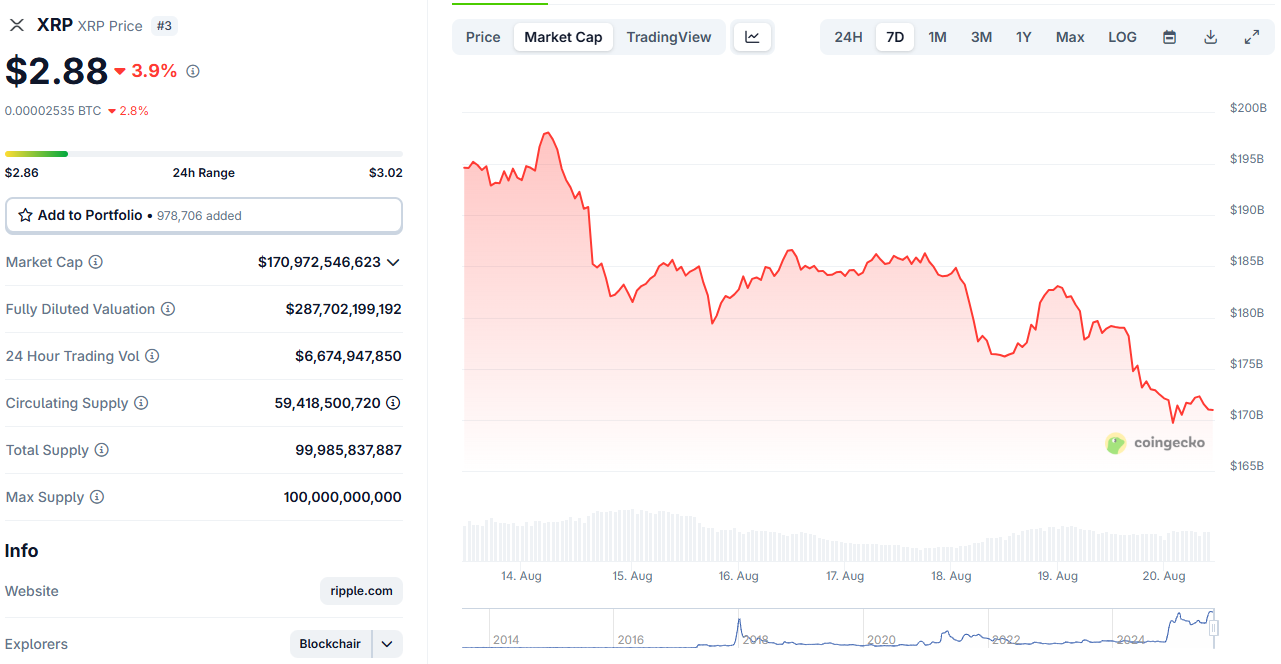
One of the biggest stories in crypto news today involves XRP, which took another hit after Home Depot’s quarterly update stirred fears of inflation. XRP is down another 4.1%, bringing its total drop this week to over 9%.
The link? Investors are reacting to Home Depot’s earnings call, where the retailer announced price hikes driven by tariff-related cost pressures.
As Home Depot is often seen as a bellwether for the U.S. consumer economy, the move sparked concerns about rising inflation and its knock-on effect on risk assets like crypto.
Despite XRP’s current slump, it’s still up roughly 49% year to date. However, if inflation expectations continue to rise, it may trigger more cautious monetary policy, which in turn could suppress momentum in speculative assets like XRP.
Inflation Fears Could Affect Broader Crypto Market
According to analysts, Home Depot’s update wasn’t just a stock market issue – it’s a potential red flag for the entire crypto space. The announcement follows recent inflation data from the Bureau of Labor Statistics, which showed higher-than-expected figures.
This has increased fears that the Federal Reserve may delay rate cuts, a move that would dampen the growth outlook for cryptocurrencies.
With tighter financial conditions and inflation running hot, investors could shy away from altcoins and riskier digital assets. Macroeconomic signals are becoming a larger driver of day-to-day crypto price action.
Bernstein Forecasts a Bull Run – But Not Without Pain
While short-term sentiment is bearish, Bernstein’s digital assets team remains bullish on the long-term trajectory. Their forecast suggests Bitcoin could surge to $150,000–$200,000 within the next 6 to 12 months.
This “long, exhausting bull run” could stretch into 2027, they argue, driven by regulatory progress and growing institutional involvement.
They specifically mention legislative shifts in the U.S., like the GENIUS and CLARITY Acts, as pivotal moments in establishing a more transparent and stable framework for crypto. Ethereum and Solana are also expected to benefit as corporations add these assets to their balance sheets.
Altcoin Season May Be Brewing
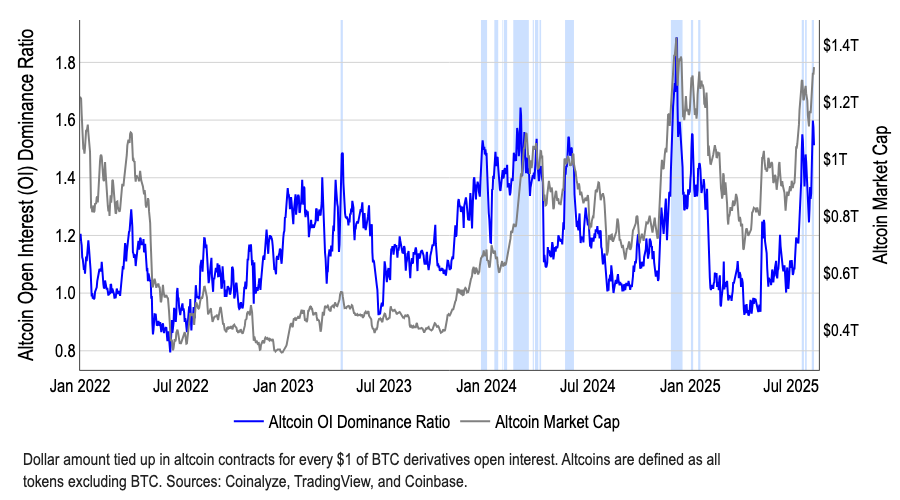
Bernstein also pointed to signs of an upcoming Altcoin Season – a period when capital rotates from Bitcoin into alternative cryptocurrencies.
Previous altcoin cycles in 2015–2018 and 2018–2021 saw massive returns, and analysts believe the current market may still have room to run. So far, altcoins have only captured about 35% of the total market movement in this cycle, leaving significant room for expansion.
Firms like Pantera Capital and Coinbase are also echoing this sentiment. According to Coinbase research, Bitcoin’s dominance is slipping – from 65% to 59% – signaling that more investors are diversifying into altcoins.
Investors Stay Cautiously Optimistic
Despite the current downturn, many investors are not pulling out just yet. The broader consensus is that the crypto market is maturing, and while short-term volatility may persist due to inflation fears, the long-term outlook – especially for Bitcoin and well-positioned altcoins – remains optimistic.
Projects with strong use cases, regulatory clarity, and growing adoption continue to attract capital. As macro conditions stabilize, the market may once again favor risk-on assets, setting the stage for the next wave of growth.