




 Some of the links on this site may be affiliate links. ICOBench may receive advertising commissions when users visit recommended platforms via our affiliate links, at no additional cost to you. All recommendations are based on a comprehensive review process.
Sam Bankman-Fried has asked the U.S. Supreme Court for a new trial and to overturn a court order requiring him to pay about $11 billion as part of his sentence. The request follows the Second Circuit’s June 12, 2026, decision affirming his conviction in connection with the collapse of FTX and Alameda Research.
Bankman-Fried was sentenced to 25 years in prison in 2024. Prosecutors said he directed billions of dollars from the crypto exchange FTX to Alameda Research, a hedge fund he controlled, where the funds were used for risky investments, political donations, and his personal benefit.
JUST IN: 🇺🇸 Sam Bankman-Fried asks Supreme Court to overturn his fraud conviction. pic.twitter.com/hT39U6nTyf
— Watcher.Guru (@WatcherGuru) September 10, 2026
Don’t Miss: The Secret Meme Coins Smart Money Are Stacking For Next Year
Petition Challenges Trial Evidence Rulings and the Forfeiture Order
His Supreme Court appeal raises a technical question about evidence presented at trial. Bankman-Fried argues that he should have been permitted to present evidence that his investments were ultimately sound and would have covered losses by FTX customers. The Second Circuit described that argument as a contention that FTX and Alameda had sufficient assets to make investors and customers whole despite temporary illiquidity. He also argues that the approximately $11 billion forfeiture violates the Eighth Amendment’s prohibition on excessive fines.
The Second Circuit’s published opinion rejected his arguments and affirmed the district court’s judgment. The appellate court noted that a jury convicted Bankman-Fried on seven fraud and conspiracy counts after a four-week trial, and that the district court imposed the prison term, supervised release, and forfeiture.
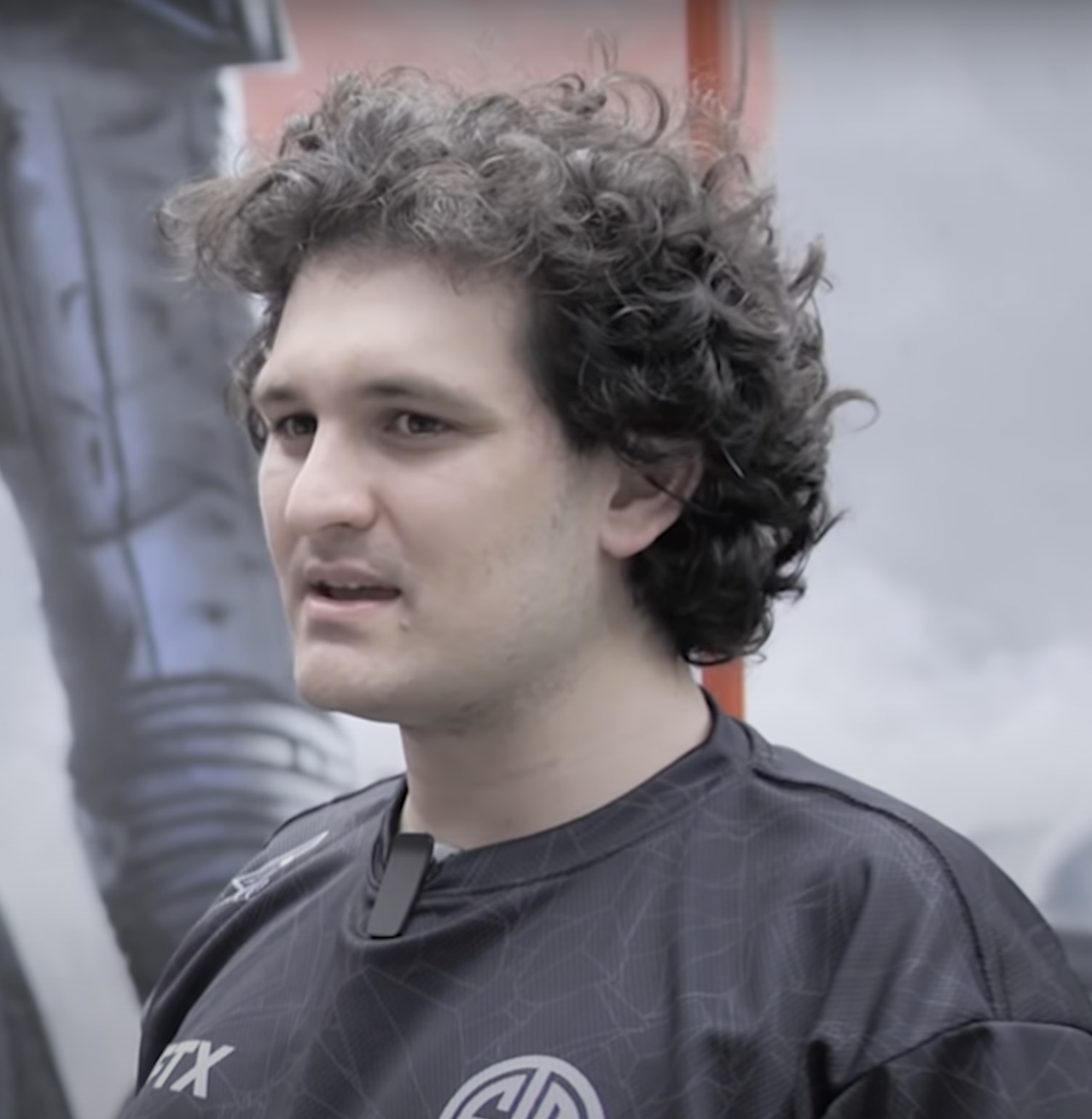
Sam Bankman-Fried Defense: The Legal Theory Behind the Appeal
The case turns in part on a 2025 Supreme Court decision involving a Department of Transportation contractor that used false certifications connected to a bridge-painting contract. In that case, the contractor and its manager argued that the deception could not amount to wire fraud because they did not intend to cause economic harm. The Supreme Court unanimously rejected that appeal.
As the Second Circuit explained, the Supreme Court held in that case that a defendant commits federal fraud when a material misstatement induces a victim to enter a contract requiring the transfer of money or property, regardless of whether the defendant seeks to cause net economic loss. Bankman-Fried’s appeal accepts the relevance of that ruling while advancing a related evidentiary argument.
His position is that if prosecutors do not need to prove economic loss under a fraudulent-inducement theory, evidence suggesting that customers lost money should not have been admitted without allowing him to offer evidence in response. Supreme Court attorney Jeffrey Fisher said that, under such a theory, lost evidence can be distracting and prejudicial, particularly if a defendant cannot present evidence challenging the claim that victims suffered losses.
Don’t Miss: ICOBench Experts Call the Next 1000x Crypto Coins for 2027