



 Some of the links on this site may be affiliate links. ICOBench may receive advertising commissions when users visit recommended platforms via our affiliate links, at no additional cost to you. All recommendations are based on a comprehensive review process.
In Trump crypto news this week, HTX – the crypto exchange linked to Justin Sun – delisted the USD1 stablecoin issued by World Liberty Financial on June 7, converting eligible user balances to Tether at a 1:1 ratio after WLFI froze multiple HTX-linked on-chain addresses citing sanctions compliance concerns.
Trading pairs including WLFI/USDT, USD1/USDT, BTC/USD1, and ETH/USD1 were suspended on June 5 at 13:00 UTC, with formal delisting completing two days later. WLFI’s stated justification ties directly to the UK government’s May 26 sanctions designation of Huobi Global S.A., HTX’s Panama-registered parent entity, on grounds it allegedly facilitated over $1.5Bn in Russian fund flows through crypto channels.
Announcement on the Delisting of USD1 (USD1) and Conversion of User Assets to USDT on HTX
As USD1 is an asset issued by the WLFI project team, and in order to mitigate potential risks, safeguard user assets, and maintain a fair trading environment, HTX will delist USD1 at 03:00… https://t.co/pkYx4bT9rl
— HTX (@HTX_Global) June 6, 2026
HTX disputes that those sanctions carry any legitimate operational reach over its exchange platform, arguing that Huobi Global S.A. is legally distinct from the online HTX exchange and that the address freeze was executed, in its own words, “without sufficient prior communication, adequate contractual or legal grounds, transparent disclosure or adherence to due process.”
The dispute sits within a broader litigation war: Justin Sun sued World Liberty Financial in April over a prior token freeze, and WLFI countersued Sun in May for defamation and alleged violations of token-sale laws.
Trump Crypto News: What the On-Chain Freeze Actually Changes for HTX Users
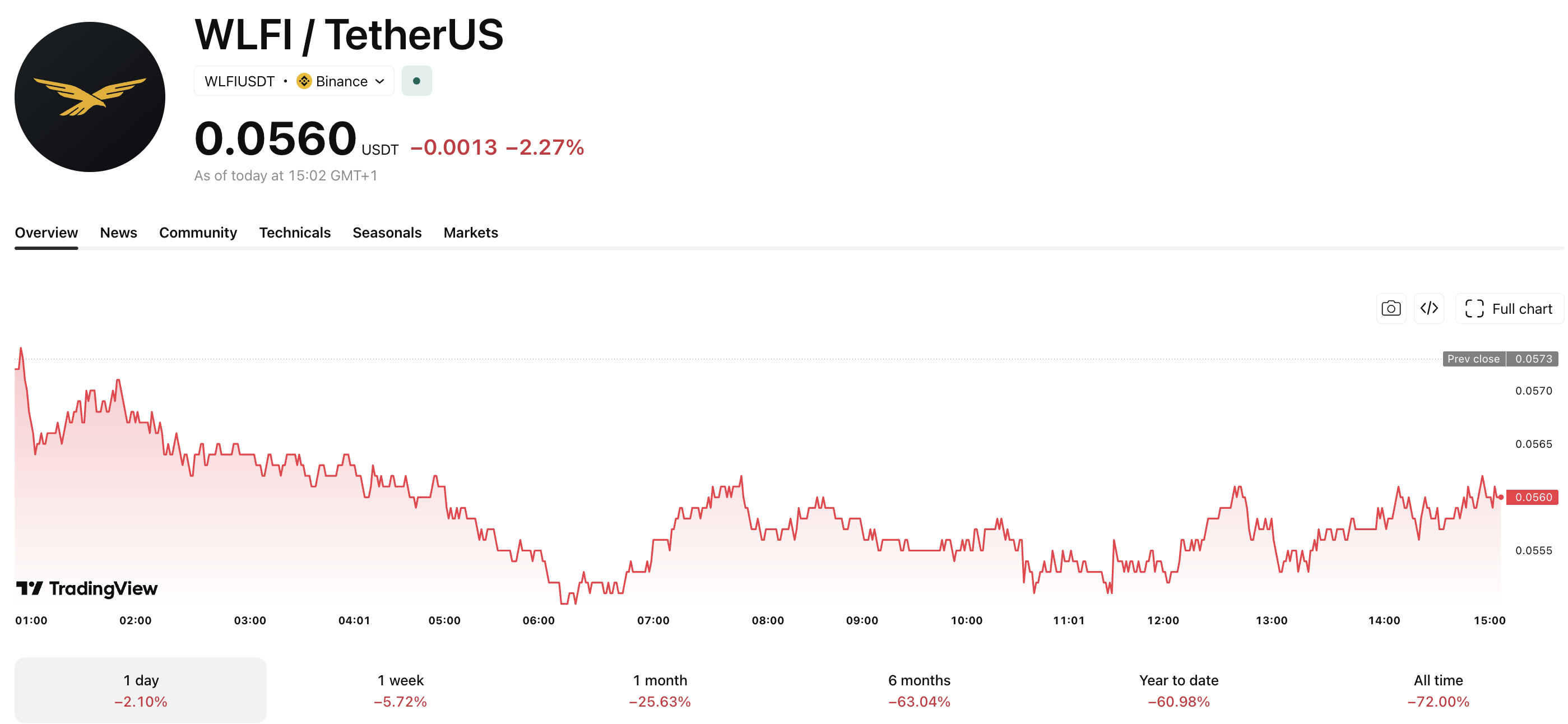
The mechanism for USD1, like other centralized stablecoins, allows the issuer, World Liberty Financial (WLFI), to block transfers from specific wallet addresses via a smart contract.
Recently, WLFI blacklisted addresses linked to HTX, freezing USD1 and WLFI tokens held by users, not corporate wallets.
HTX spokesperson Molly Fu noted these addresses belonged to individual users who legally purchased the assets. The 1:1 USDT conversion offered by HTX applies only to USD1 balances on the exchange at the time of delisting; frozen WLFI positions remain unresolved.
It’s unclear if the flagged addresses were directly connected to Huobi Global S.A.’s operations or if WLFI’s compliance treated all HTX-infrastructure addresses similarly. This distinction is key to HTX’s legal challenge regarding the freeze.
DISCOVER: Best Meme Coins to Buy Right Now
Why the WLFI Address Freeze Now Functions as a Dual-Reading Signal for Stablecoin Market Structure
For stablecoin issuers, passively interacting with sanctioned entities poses significant risks. WLFI’s claim of “risk-based sanctions compliance controls” appears more as a legal obligation than a voluntary action.
This case suggests that centralized stablecoin issuers have both the capability and the obligation to enforce compliance when a counterparty is sanctioned, even without prior notice, which is standard practice.
However, WLFI’s freezing of HTX-linked addresses, affecting retail users’ assets with no sanctions connection or notice, raises concerns about collective compliance enforcement that lacks transparency or appeal mechanisms.
The situation is further complicated by ongoing litigation between Justin Sun and WLFI that questions the timing and motivations behind the freeze. The resolution hinges on the details revealed in the lawsuits regarding wallet ownership and WLFI’s compliance practices.
EXPLORE: Next Crypto to Explode in 2026
This article is for informational purposes only and does not constitute financial advice. Cryptocurrency investments carry significant risk, including the potential loss of principal. Always conduct your own research before making any investment decisions. Past performance of any asset, ETF product, or presale project is not indicative of future results.