


 Some of the links on this site may be affiliate links. ICOBench may receive advertising commissions when users visit recommended platforms via our affiliate links, at no additional cost to you. All recommendations are based on a comprehensive review process.
Identity theft is on the rise, and the numbers are alarming. The FTC logged more than 1.1 million identity theft reports in 2024. On top of that, the agency received around 2.6 million fraud reports, with total losses exceeding $12.7 billion.
In the world of crypto, where transactions can’t be reversed, the risk of crypto identity theft makes those figures even more serious. Your digital identity is the key to your assets, and protecting it is no longer optional. Here’s how to keep your crypto identity secure and stay ahead of attackers.
What is Digital Identity?
Your digital identity is the set of information that online systems use to know who you are. It includes basic details such as your full name, email address, phone number, and passwords. It also covers more sensitive information like government ID numbers, biometric data (for example, facial scans or fingerprints), and security credentials you use to access services.
In the crypto space, a digital identity is everything that ties you to your activity on exchanges, wallets, and blockchain networks. It is not just a username and password. It is the combination of the information you provide during identity verification for crypto, like passports or driver’s licenses, with the unique identifiers you use to interact with crypto systems, such as wallet addresses and private keys. When you sign up with an exchange and go through KYC checks, the details you upload become part of that identity.
Your actions on the blockchain also feed into this identity. Every transaction you make, every token you send, and every NFT you buy is recorded permanently. Even though wallet addresses are pseudonymous, once one of them is linked to your real identity, your entire transaction history becomes traceable. Over time, these pieces build a digital footprint that represents you in the crypto ecosystem.
This setup creates powerful possibilities, but it also comes with unique risks. If someone gets hold of your private keys or your KYC information, they can impersonate you, gain access to accounts, and move your assets without any way to reverse the transactions. Unlike traditional finance, there’s no central authority to call for a rollback.
That’s why understanding and protecting your digital identity in crypto is essential if you want to keep your funds and reputation secure. Luckily, identity theft protection tools like NordProtect give you an added layer of defense by continuously monitoring for data breaches, detecting suspicious activity early, and helping to lock down your personal information before it can be exploited.
What is Crypto Identity Theft?
Crypto identity theft happens when someone steals or abuses your personal information to gain access to your cryptocurrency accounts or to open new ones in your name.
Instead of attacking a blockchain directly, criminals focus on you. They gather details such as ID documents, passwords, recovery codes, or verification data from exchanges. This information often comes from data breaches, phishing attempts, or leaks from third‑party services that store customer records.
A clear example happened in 2025 with Coinbase. Hackers bribed and manipulated staff at a third‑party customer support provider to gain access to internal tools. Through those systems, they extracted massive amounts of sensitive data, including names, addresses, phone numbers, government ID images, and parts of Social Security numbers.
They then used this data in targeted phishing and social‑engineering campaigns, contacting customers with convincing details to try to pass identity checks or trick them into sending funds. Coinbase reported that no passwords, private keys, or funds were directly stolen from its systems, but the stolen data created a serious risk. The attackers also demanded a $20 million ransom to stop leaking the information, and the company warned that the breach could cost up to $400 million in legal fees, customer protection, and remediation.
This case shows just how devastating crypto identity theft can be, turning stolen personal details into stolen funds and large‑scale financial damage in a matter of days.
How do Cybercriminals Steal Your Digital Identity?
Cybercriminals don’t always need to hack a blockchain or crack a password to commit crypto identity theft. Most of the time, they collect bits of your personal data until they can convincingly pretend to be you. Here are the most common ways they do it:
Data breaches
Hackers break into companies or their service providers to steal stored customer records. These records often include names, email addresses, phone numbers, and even uploaded identity documents. Stolen data is frequently sold on the dark web, where it can be reused for identity theft.
Phishing scams
Criminals send emails, texts, or chat messages that look like they come from a trusted exchange or wallet. They link to fake login pages or ask you to “verify your account.” Once you enter your details or upload an ID, they have exactly what they need to impersonate you.
And phishing isn’t only a tool for identity theft. It’s part of a much larger fraud landscape. According to the FTC’s 2024 data on fraud in general, email was the most widely reported contact method, cited in 371,664 reports. Phone calls were second, with 284,651 cases reported.
Attackers use personal details they’ve already gathered to trick customer support agents into giving them access. In some cases, insiders are even bribed to hand over sensitive information. The 2025 Coinbase case is a prime example, where support‑vendor staff were bribed to leak customer data like addresses and ID images.
SIM swapping
Criminals convince or bribe your mobile carrier to transfer your phone number to a SIM card they control. Once they have your number, they can intercept two‑factor authentication codes sent by SMS, reset passwords, and break into exchange or wallet accounts. SIM‑swap attacks have led to multi‑million‑dollar crypto thefts and remain one of the biggest risks for anyone relying on text‑based security.
Malware and Spyware
A hidden keylogger or infostealer on your phone or computer can quietly collect login details, crypto seed phrases, or copies of documents while you use your accounts as normal.

Signs Your Digital Crypto Identity Has Been Stolen
In the crypto world, your identity is often the key to your funds. If someone gets hold of enough of your personal information, they can impersonate you, bypass security checks, and, in some cases, drain accounts. The sooner you notice, the better your chances of stopping them. Here are the warning signs to watch for:
- Unusual account activity. You see login alerts from locations you’ve never been to, password reset emails you didn’t request, or notifications that someone has tried to change your details on an exchange. These are strong signs someone is trying to get in or already has.
- Getting logged out of accounts unexpectedly. You suddenly can’t access your exchange, wallet, or email account because the credentials have been changed. This often happens when attackers gain control and lock you out.
- Unexpected 2FA codes. Two‑factor authentication codes arrive on your phone or email even though you’re not logging in anywhere. That often means someone is attempting to access your accounts and triggering those codes.
- Transactions you don’t recognize. Crypto disappearing from your wallet, trades you never placed, or withdrawals you didn’t approve are clear red Even small test transactions are a sign someone is probing your accounts.
- Messages or bills for accounts you didn’t open. You might get emails about new services, confirmations for sign‑ups you didn’t make, or even invoices from exchanges you’ve never used. It’s a signal that someone might be using your identity elsewhere.
- Breaches or dark‑web alerts tied to your info. If you receive a warning that your email, phone number, or ID documents were exposed in a data breach, treat it seriously. Stolen information often circulates before criminals use it.
- Phishing calls or emails that know too much. Scammers may contact you pretending to be from your exchange, quoting personal details that make them sound If they ask for private information, it’s a sign that your identity data might already be out there.
How Can You Secure Your Crypto Identity?
In crypto, once your identity is stolen, there’s no easy way to undo the damage. Crypto identity theft can lead to drained wallets and accounts you can’t get back into. Because transactions are irreversible, waiting until something goes wrong is simply too late.
Protecting your crypto digital identity isn’t just a good habit; it’s something you need to think about every day. Taking action before anything happens is the best way to keep your accounts and your funds safe.
Use hardware wallets for long‑term storage
If you hold a significant amount of crypto, a hardware wallet is one of the safest ways to protect it. Your coins themselves don’t sit inside the wallet. They remain on the blockchain, but the wallet stores the private keys that let you move those coins.
Because those keys are kept completely offline, they’re out of reach for hackers and malware.
Even if someone gains access to your computer or compromises an exchange, they can’t use those keys to transfer your assets. For day‑to‑day transactions, keep only small amounts in a hot wallet and store the rest with your hardware wallet in cold storage.
Enable strong, non‑SMS two‑factor authentication
Two‑factor authentication (2FA) is essential, but not all 2FA methods are equal. SMS codes are easy targets for SIM‑swap attacks, and criminals know it. Instead, use an authenticator app such as Google Authenticator or Authy, or go even further with a hardware security key like a YubiKey. These methods can’t be intercepted through your phone number and add a serious extra barrier against account takeovers.
Use an identity theft protection tool
Alongside strong passwords and two‑factor authentication, consider using an identity theft protection service. Such tools usually monitor if your personal information shows up in known data breaches or on dark‑web markets. Some of these services also send you real‑time alerts, guide you through recovery steps if something suspicious appears, and in some cases even offer insurance to cover certain costs related to identity theft.
We recommend NordProtect as one of the best crypto identity theft protection services. It’s developed by the company behind NordVPN and offers all‑around monitoring of your personal data, immediate breach alerts, recovery assistance, and even insurance options to help cover certain costs if your identity is misused.
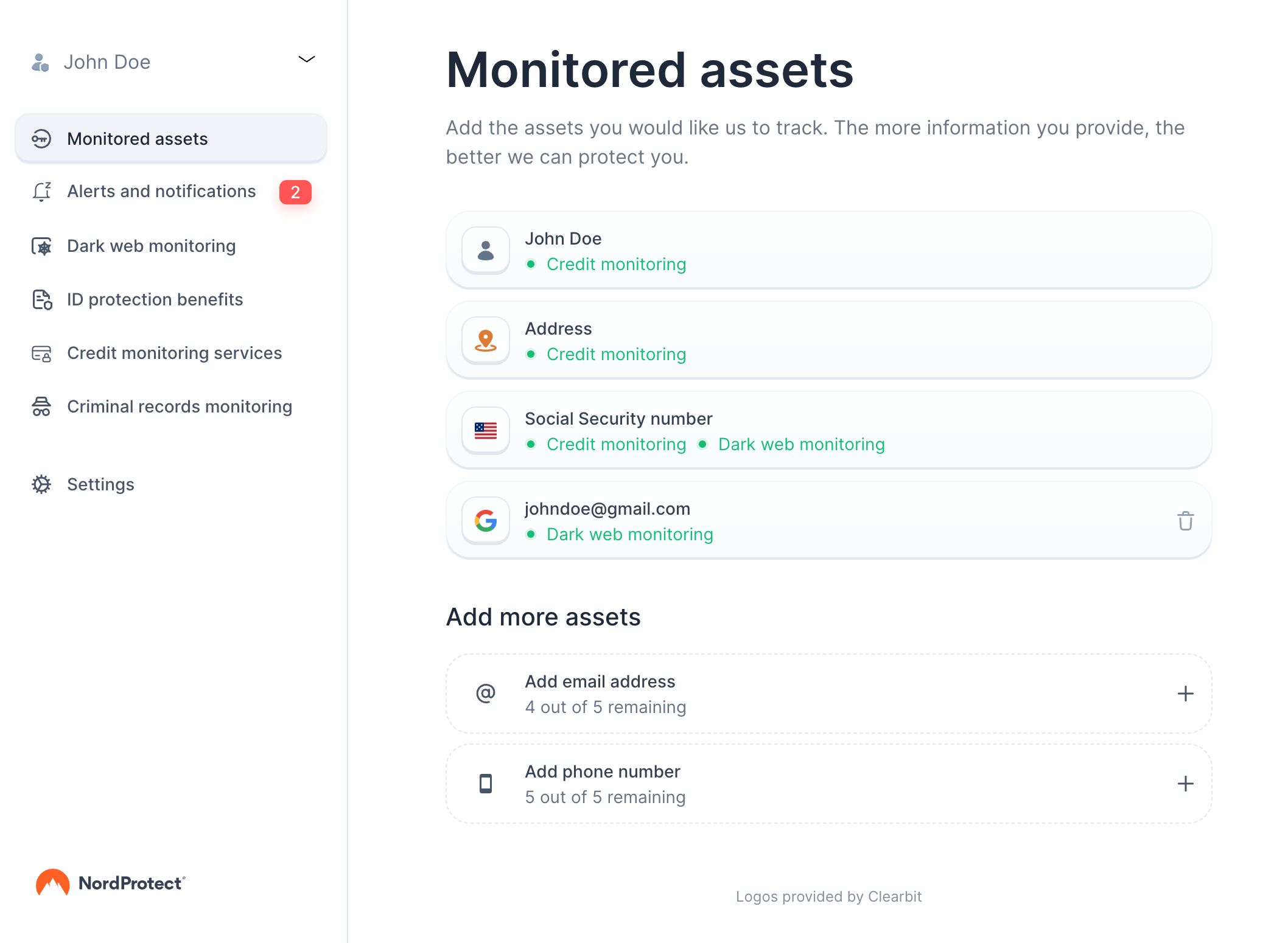
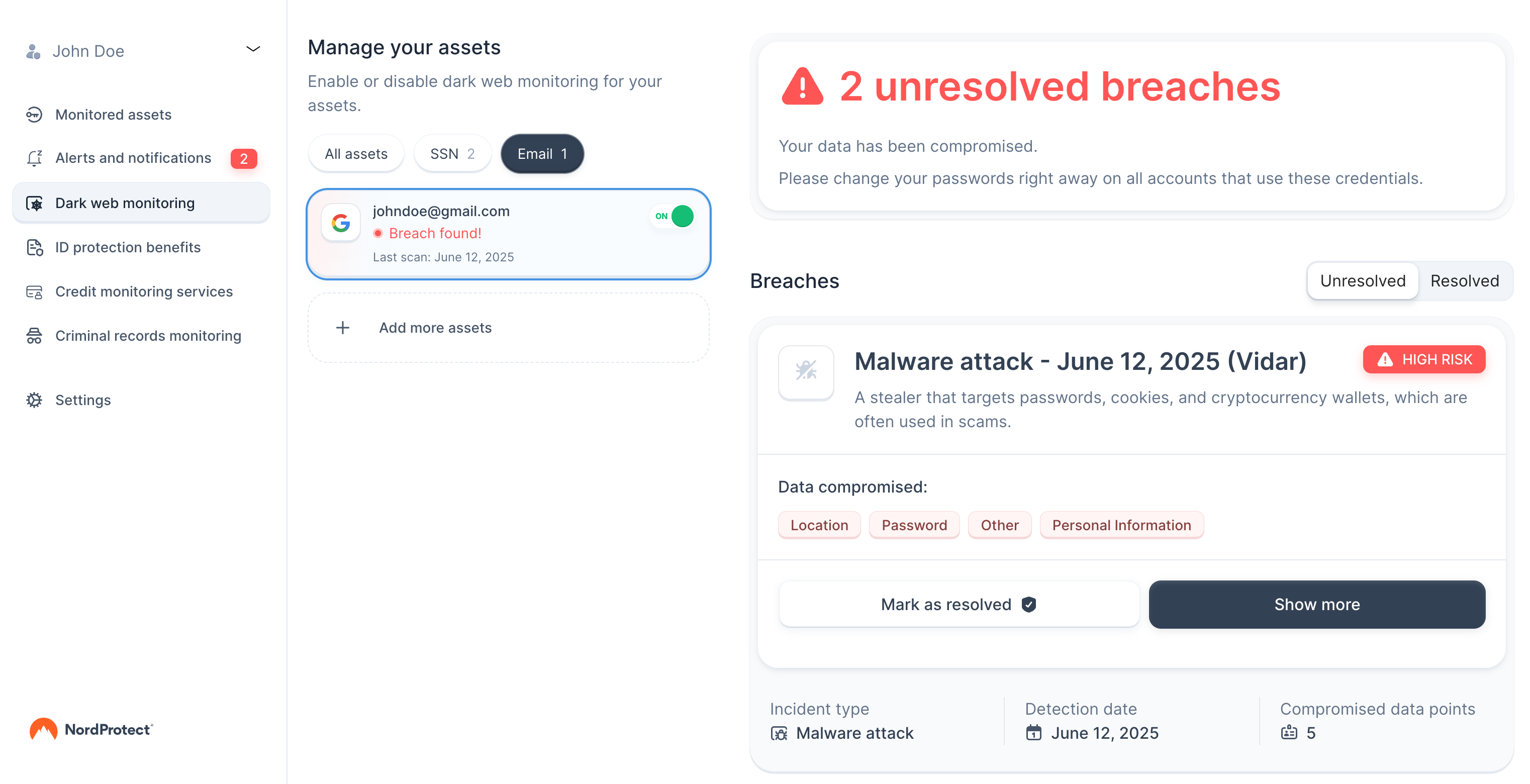
- 24/7 dark web monitoring. NordProtect constantly scans hidden parts of the web for leaked personal data, from emails to You decide what information you want it to track, for example, the email you use for your exchange accounts or other sensitive details. If any of those credentials end up for sale, you receive an alert right away.
- Credit This tracks your credit file and flags sudden changes, such as a new account opened in your name or a hard inquiry you did not authorize. Catching this early helps you stop someone from misusing your personal information and opening accounts that could harm your credit history.
- Criminal records NordProtect checks public records for any new criminal activity linked to your name. If someone uses your identity during an arrest or investigation, you’ll get an alert and can address it before it causes further trouble with your accounts or compliance checks.
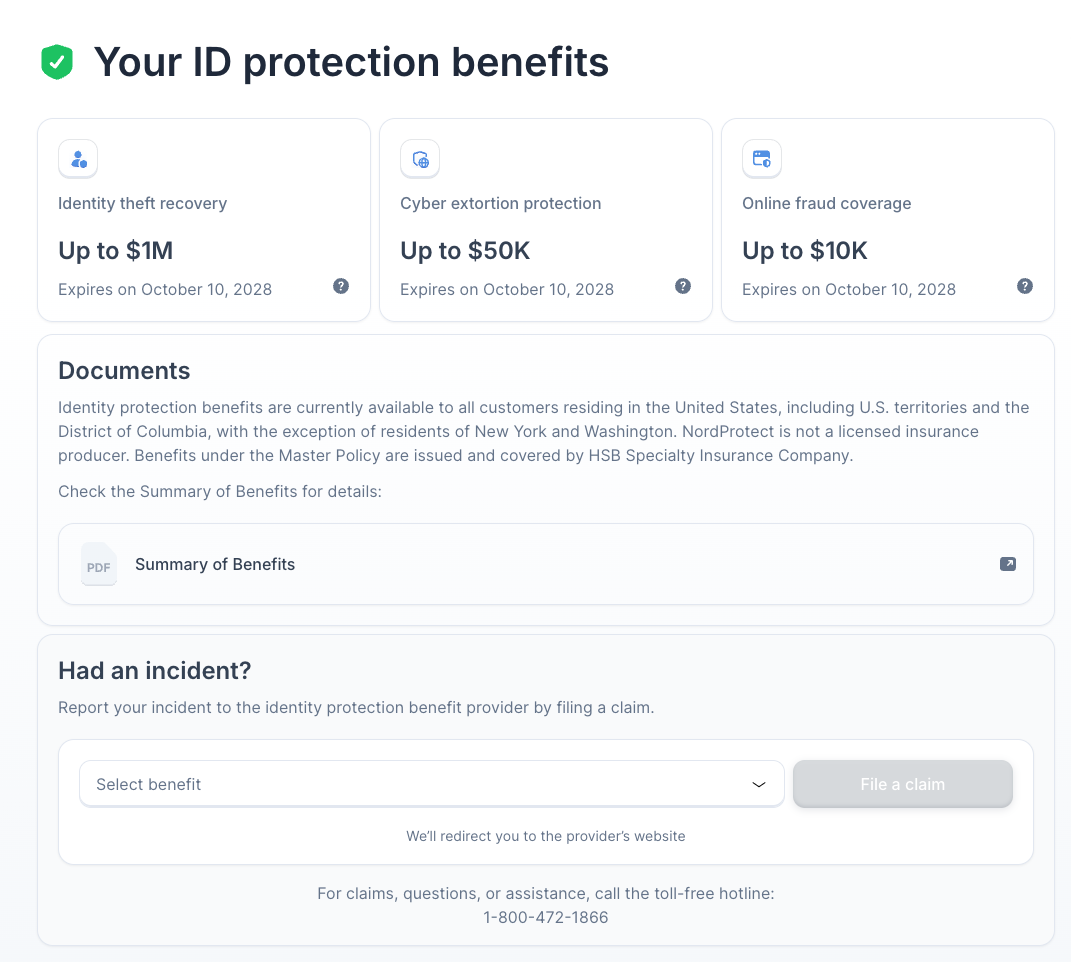
- Cyber insurance benefits. NordProtect provides financial support and expert help if your identity is You can be reimbursed for eligible expenses up to $1,000,000 for identity theft recovery, up to $50,000 for handling cyber extortion threats, and up to $10,000 for losses from online scams.
Watch out for phishing
Phishing scams are everywhere in crypto. Fake emails, social media messages, and even support calls try to lure you into revealing login details or seed phrases. Always double‑check website URLs before entering sensitive information. Be cautious with links in emails and never download attachments from unknown sources. A few seconds of caution can save you from losing everything.
Use a VPN
When you access exchanges or wallets, using a VPN adds another layer of security. A VPN encrypts your internet traffic and hides your IP address, which makes it much harder for anyone on the same network to intercept your information. This is especially important if you ever use public Wi‑Fi. NordVPN is a strong option, as it offers not just reliable encryption but also Threat Protection Pro that blocks malicious websites and harmful downloads before they reach your device.
Regularly review your accounts
Set a habit to log in and check your exchange accounts, wallets, and identity protection dashboards regularly. Look for unfamiliar transactions, login attempts, or changes. Early detection gives you a chance to stop problems before they escalate.
What to Do If Your Crypto Identity Has Been Stolen?
If you suspect your crypto digital identity has been compromised, act immediately. In crypto, once someone moves your funds, there’s no way to reverse the transaction. Here’s what you should do as soon as possible:
- Freeze your accounts. Contact your exchange or wallet provider and ask them to freeze or lock your Many platforms can temporarily block withdrawals and logins while they investigate.
- Secure your accounts. Change passwords on your wallets, exchanges, and the email accounts linked to them. Make sure you use strong, unique passwords for each account and turn on non‑SMS two‑factor authentication if you haven’t already.
- Report the theft. File a support ticket with your exchange or wallet service to document the issue. Report the incident to law enforcement and, where applicable, to national fraud reporting agencies. If you use an identity protection tool like NordProtect, you can get guidance on how to handle the situation, receive help with the recovery process, and even access insurance benefits that can cover certain costs related to identity theft.
- Document everything. Take screenshots of suspicious emails, fake websites, and unauthorized transactions. Save transaction IDs, wallet addresses, timestamps, and any communication with support teams.
- Consult recovery and legal experts. For larger losses, consider hiring a crypto‑forensics firm or a lawyer experienced in crypto theft They can help trace funds, contact exchanges, and file the necessary legal documents to improve your chances of recovery. If you are using NordProtect, you can also access expert guidance and support through their recovery assistance features.
- Track the stolen funds. Use blockchain explorers like Etherscan or tools from recovery services to follow where your crypto is going. If the assets land on another exchange, that exchange may freeze them if contacted quickly with proper proof.
- Monitor for further misuse. Set up fraud alerts or credit monitoring to catch any additional misuse of your identity. If you’re using NordProtect, turn on real‑time alerts for dark web monitoring and credit changes.
Final Thoughts
Crypto identity theft is becoming more common, and hackers often succeed by taking advantage of simple mistakes, such as weak passwords or clicking on a fake link. The best way to stay ahead is to take action before anything happens. Using a hardware wallet, enabling strong two‑factor authentication, and being careful with every login and transaction all greatly reduce your risk.
A service like NordProtect can add even more protection by monitoring for leaked data, sending alerts, and guiding you through recovery if it’s ever needed. These steps put you in a much stronger position to protect your crypto identity.
FAQ
1. Can crypto theft be traced?
Yes, in many cases, crypto theft can be traced because transactions on most blockchains are public. Investigators can follow the flow of funds from one wallet to another using blockchain explorers or professional tracing tools. However, thieves often move assets through mixers, privacy coins, or multiple wallets to make tracking much harder.
2. Can you get crypto back if stolen?
It’s very difficult to get your crypto back if stolen. Unlike traditional banking, there’s no central authority that can reverse a transaction on the blockchain. In some cases, stolen funds can be frozen if they reach a regulated exchange and are flagged quickly, but recovery is rare. Acting fast, collecting evidence, and involving your exchange, law enforcement, and even specialized recovery services gives you the best chance.
3. Can someone steal my crypto with my wallet address?
No, not by knowing your wallet address alone. Your wallet address is like your public bank account number — you can share it to receive funds. What you must protect is your private key or seed phrase. If someone gets access to those, they can move your crypto, no matter whose address it is.